
Why Black Rock Beach is Maui’s Top Spot for Turtle Encounters
Black Rock Beach Maui turtles are one of the island’s most sought-after wildlife experiences, and this iconic spot delivers consistently. Located at the north end of Ka’anapali Beach, Black Rock (known in Hawaiian as Pu’u Keka’a) is a volcanic outcropping where Hawaiian Green Sea Turtles come to feed on algae growing along the lava rock walls.
Quick Answer: Where to Find Turtles at Black Rock
- Best Location: Along the right side of the rock wall when entering the water
- Best Time: Early mornings (7-10 AM) for calmer water and better visibility
- What You’ll See: Hawaiian Green Sea Turtles (Honu) feeding on algae, plus occasional Hawksbill Sea Turtles
- Skill Level: Suitable for beginners in calm conditions; stay near the main wall
- Key Rule: Maintain at least 10 feet distance from all turtles
One visitor captured the magic perfectly: “I saw a turtle cruising through the waves at Black Rock before I even got in the water.” This is not uncommon. The site is home to several resident turtles, including one famous individual nicknamed “Volkswagen” who weighs nearly 300 pounds and is frequently spotted gliding through the clear waters.
Black Rock offers something special that many other Maui beaches don’t—easy shore access combined with almost guaranteed turtle sightings. The protected waters on calm days make it accessible for families and beginning snorkelers, while the underwater topography creates the perfect habitat for these ancient reptiles to feed and rest.
The turtles aren’t just a tourist attraction. They’re protected under federal law as threatened species, and respecting their space is both legally required and essential for their survival. This guide will show you exactly where to find them, when to go, and how to experience these incredible creatures safely and responsibly.
Getting to Black Rock: Location, Parking, and What to Expect
Black Rock, or Pu’u Keka’a in Hawaiian, is a significant landmark on Maui’s west side. This striking volcanic outcropping divides Ka’anapali Beach, a beautiful 3-mile stretch of golden sand just about 10 minutes north of Lahaina. The area is a popular resort destination, which means it can be busy and parking can be a challenge.
Pu’u Keka’a holds deep cultural significance as a sacred place where ancient Hawaiians believed their spirits departed for the afterlife. This heritage is honored today through a famous daily tradition.
What is Black Rock Known For Besides Snorkeling?
While we’re here to talk about the incredible Black Rock Beach Maui turtles, this iconic spot is also a West Maui landmark known for its legendary cliff diving.
The Lele Kawa, or cliff diving, is a time-honored tradition. Each evening at sunset, a torch-lighting and cliff diving ceremony takes place, recreating the ancient feat of Maui’s revered King Kahekili. It’s a breathtaking sight as a diver plunges from the rock into the ocean below, a truly moving cultural experience that connects visitors to Hawaii’s rich past.
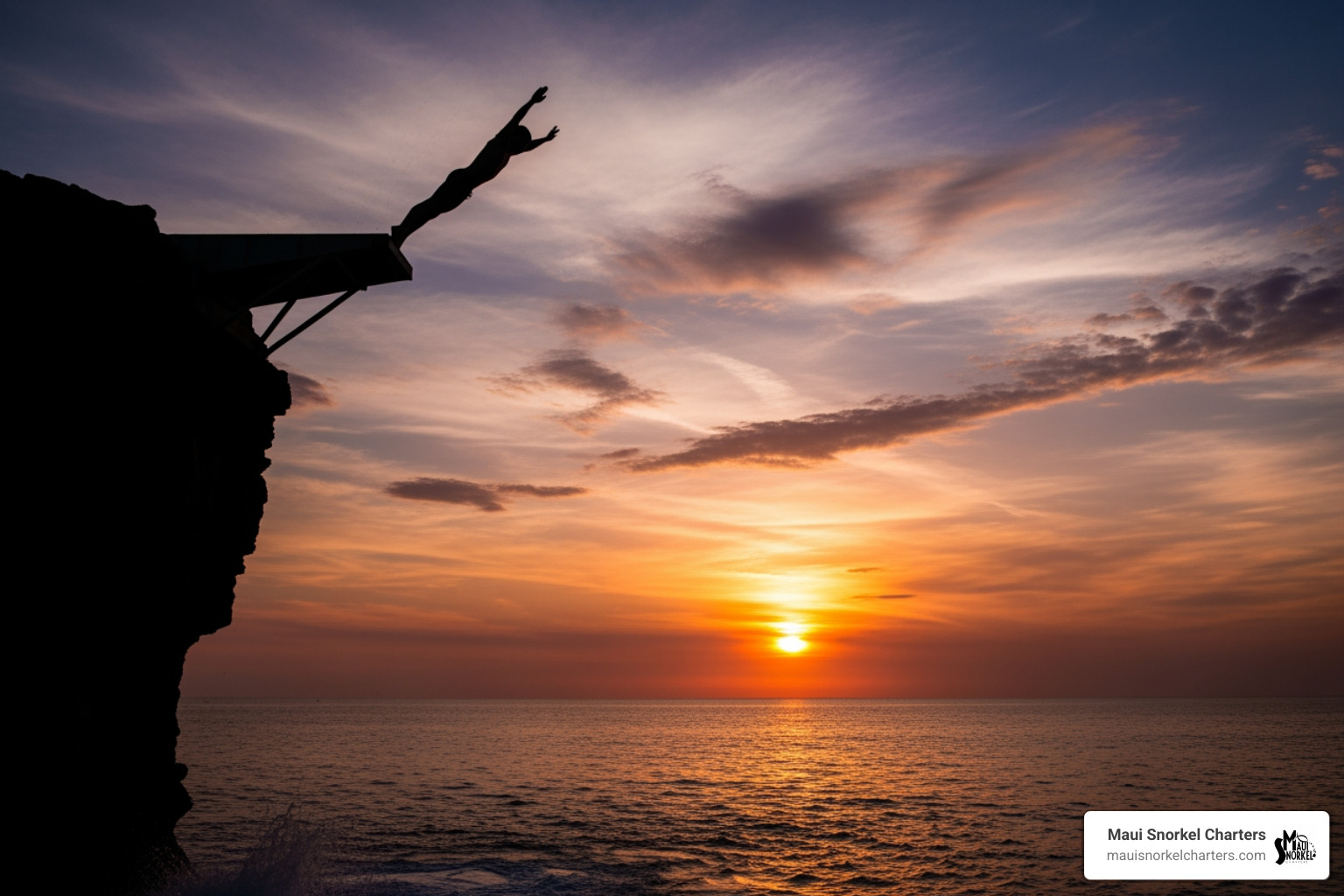
Beyond the ceremony, Black Rock is a stunning place to relax, sunbathe, and enjoy picturesque views of Ka’anapali Beach and the sparkling Pacific Ocean.
Parking and Accessibility for Black Rock Beach
Finding parking at Black Rock Beach requires planning. The free beach parking lots in Ka’anapali are small and fill up very early. Arriving in the morning is your best bet for a spot and also allows you to enjoy calmer waters and more active marine life.
If free parking isn’t an option, a nearby paid parking garage is a popular alternative. Many visitors also choose to walk to Black Rock from nearby accommodations via the convenient public access walkway along the beach. From the public parking garage near Ka’anapali Parkway, it’s about a 750-foot walk to the beach, then another 750 feet on the sand to reach the water entrance near Black Rock.
For detailed directions, you can always click here for directions.
Outdoor showers and public restrooms are located a short walk from Black Rock, near the Ka’anapali Beach Hotel. As for dining, Ka’anapali offers a range of options, from casual walk-up windows to upscale restaurants. For sit-down restaurants, we recommend making reservations in advance.
The Ultimate Guide to Finding Black Rock Beach Maui Turtles
Now for the main event: finding those incredible Black Rock Beach Maui turtles! Black Rock is renowned for its excellent water clarity and often calm conditions, particularly in the mornings, which creates an ideal environment for snorkeling and spotting marine life. The volcanic outcropping itself provides a natural snorkeling path, with a fascinating lava rock wall that plunges into the clear blue waters. This wall is not just a geological feature; it’s a thriving marine life habitat and a primary feeding ground for our beloved Honu.
Hawaiian Green Sea Turtles, or Honu, are herbivores, and they flock to Black Rock to graze on the algae and limu (seaweed) that flourish on the rocks. This makes the area a reliable spot for encounters. Their presence here is a testament to the rich ecosystem that thrives beneath the surface. To learn more about these fascinating creatures, you can find more info about the green sea turtle on our site.
Best Times and Areas for Spotting Black Rock Beach Maui Turtles
Timing and location are key when it comes to maximizing your chances of seeing Black Rock Beach Maui turtles. Based on our experience and local insights, we consistently find the best encounters happen during specific times and in particular areas.
Morning Hours: The Early Bird Gets the Honu
We can’t stress this enough: early mornings are the absolute best time to see turtles at Black Rock. Aim to be in the water between 7:00 AM and 10:00 AM. During these hours, the ocean is typically much calmer, with less wind and fewer waves, leading to superior water clarity and visibility. The early light also pierces the water beautifully, making it easier to spot marine life. Plus, it’s less crowded, allowing for a more peaceful and intimate experience with the turtles. One of our guests observed that the “early bird catches the unforgettable sight of the Honu in their natural habitat at Black Rock Beach.”
Specific Areas for Turtle Spotting:
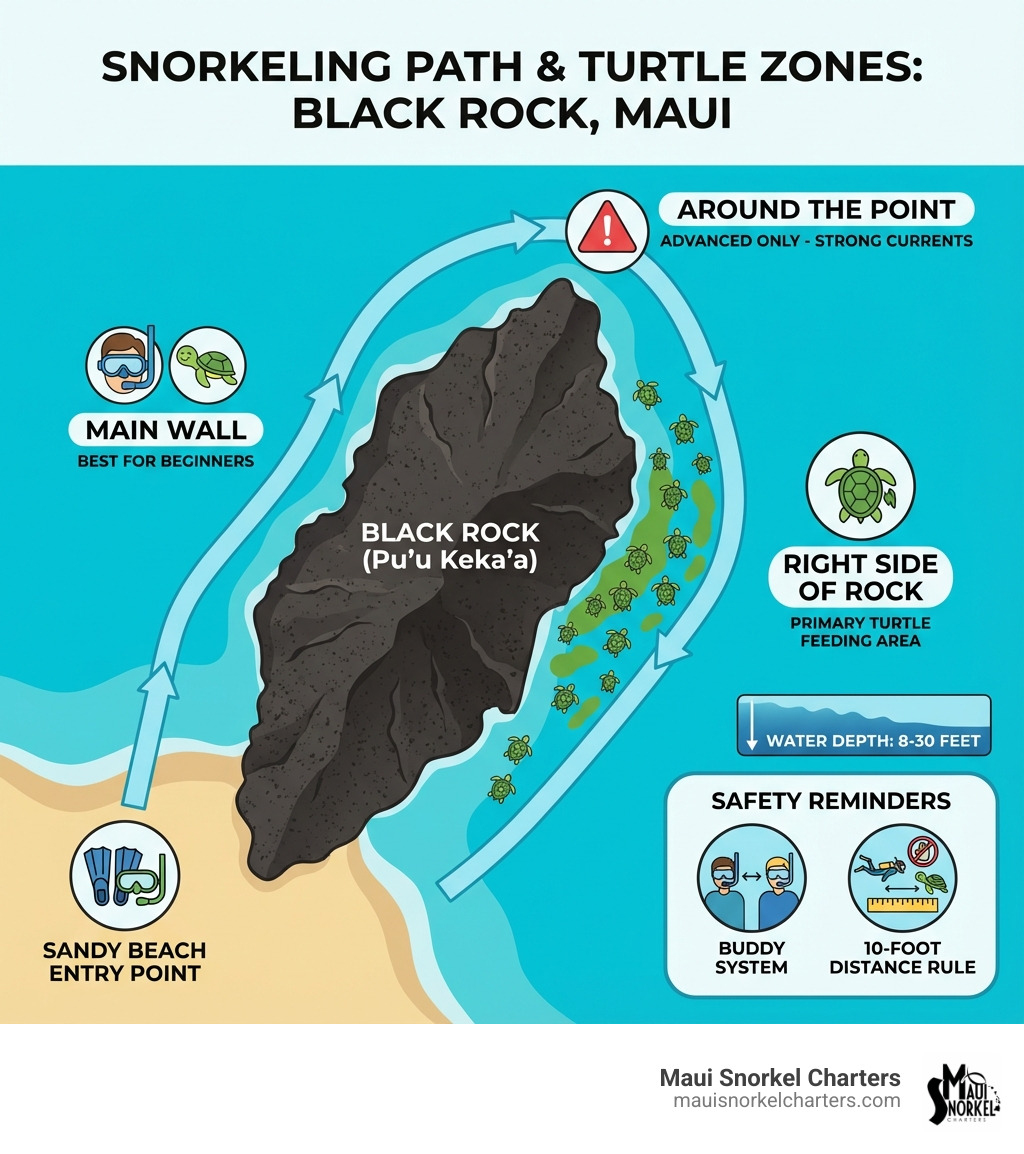
- The Right Side of the Rock (Main Turtle Feeding Area): When you enter the water from Ka’anapali Beach and look towards Black Rock, the most productive area for turtle sightings is along the rock wall to your right. This stretch is a prime feeding ground where algae grows abundantly. Many turtles, including the famous “Volkswagen,” frequent this area to graze. You’ll often see them gracefully gliding through the water or resting among the rocks.
- Along the Main Wall (Beginner-Friendly): For beginners or those who prefer to stay in shallower, calmer waters, snorkeling along the main wall of Black Rock is ideal. The turtles often venture into these areas, and the protected nature of this section makes it accessible for all skill levels.
- Around the Point (For Advanced Snorkelers Only): For more experienced and confident snorkelers, venturing around the point of Black Rock can offer sightings of turtles in deeper waters, sometimes along the “vertical wall outside the farthest point.” However, this area can have stronger currents and surges, so it should only be attempted when conditions are exceptionally calm and always with a buddy. We recommend assessing your comfort and skill level before attempting to go beyond the main wall.
- Areas Where Algae Grows: Keep an eye out for patches of algae on the rocks. These are the Honu’s favorite snacks, so where there’s algae, there’s a good chance you’ll find a turtle munching away.
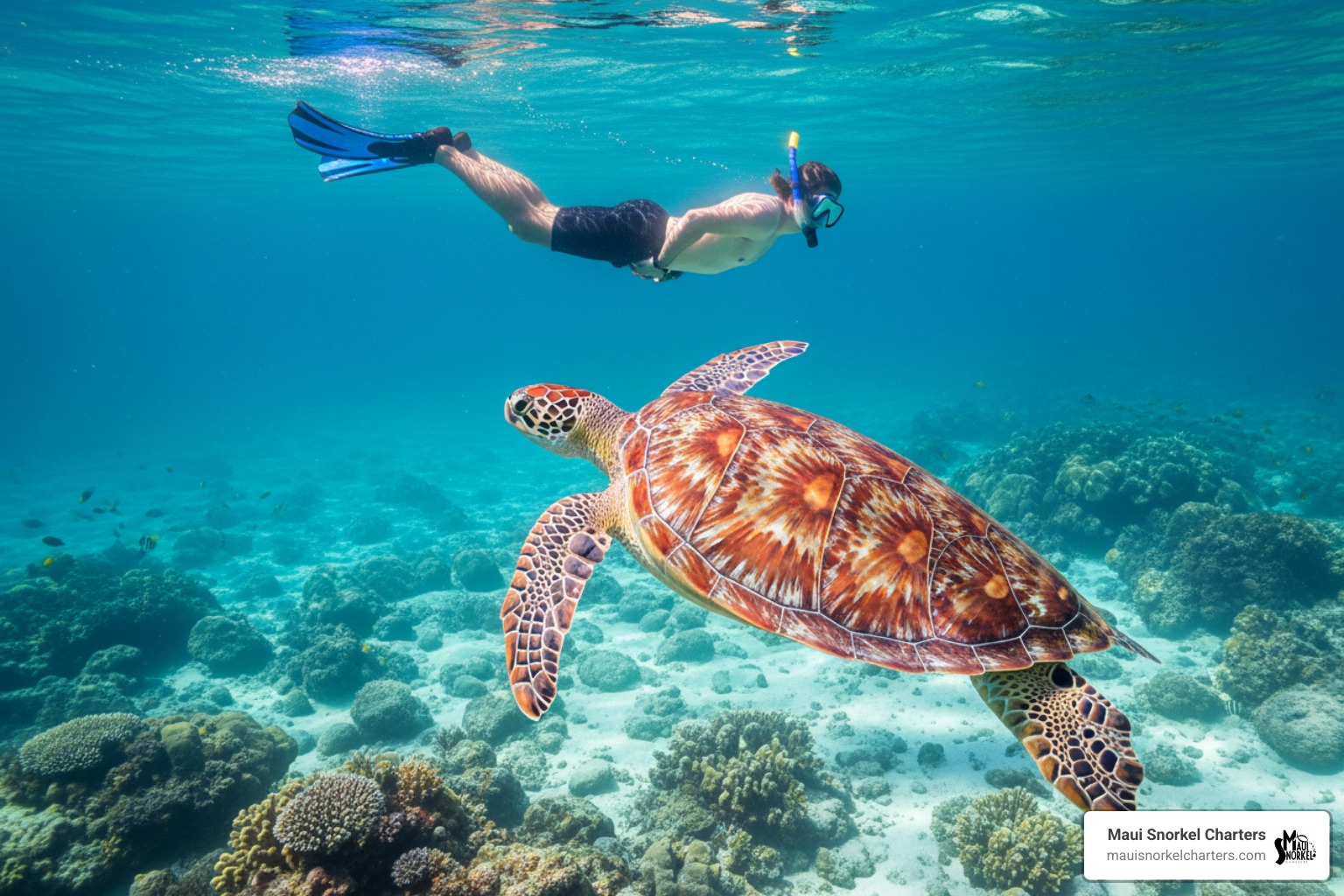
While turtles are frequently seen, they are wild animals, and sightings are never 100% guaranteed. However, by following these tips, you significantly increase your chances of an unforgettable encounter with the magnificent Black Rock Beach Maui turtles.
What Types of Black Rock Beach Maui Turtles Will You See?
When you snorkel at Black Rock, you’re most likely to encounter the majestic Hawaiian Green Sea Turtle, known locally as Honu. These are the most common and easily spotted sea turtles in Maui’s waters. Honu are beautiful creatures, often growing quite large, with adults capable of reaching up to four feet in length and weighing over 300 pounds. Interestingly, their name “Green” refers to the color of their fat, which is influenced by their herbivorous diet of algae and limu, not the color of their shell.
While less common, you might also be lucky enough to spot a Hawksbill Sea Turtle, or Honu’ea. These turtles are generally smaller than the Honu and have a distinctive narrow, pointed beak, which they use to forage for sea sponges in the coral reefs. Honu’ea are critically endangered, making a sighting a truly special event.
Both Honu and Honu’ea are protected species under U.S. law. The Hawaiian Green Sea Turtle is classified as a threatened species, while the Hawksbill Sea Turtle is an endangered species. This protection means strict rules are in place regarding interaction, which we’ll discuss further in the best practices section.
Understanding these beautiful animals adds another layer of appreciation to your snorkeling experience. They are ancient mariners, having existed for over 150 million years, and sharing their ocean home is a privilege. For a deeper dive into these incredible creatures, you can explore our page on sea turtles.
Snorkeling Black Rock Safely: A Guide for All Skill Levels
Black Rock is a fantastic snorkeling destination, but like any ocean activity, it comes with inherent risks. We believe that knowing what to expect and how to prepare is key to a safe and enjoyable experience for everyone.
The waters around Black Rock can be incredibly clear and calm, especially in the mornings. However, ocean conditions can change rapidly. Strong ocean currents, a powerful surge, and even shore break can occur, particularly if there’s any swell. The water depth along the rock wall gradually increases from wading depth to around 30 feet off the point, offering diverse underwater exploration.
We always emphasize the importance of snorkeling with a buddy. Never go into the ocean alone. It’s crucial to know your personal health limits and respect the power of the ocean. While Black Rock is generally suitable for beginners in calm conditions, and its sandy entry is forgiving, the area around the point can be challenging for inexperienced snorkelers due to currents.
For families with children, the sheltered north end of the beach offers a safe and shallow area for splashing and gentle snorkeling. However, the popularity of Black Rock means it can get crowded, and the wave action near the rocks can be a concern for very young children or those not confident in the water.
Potential dangers at Black Rock include strong currents, especially around the point, and the absence of lifeguards. While we encourage you to explore, we also stress caution. It’s often highlighted that “no beach or snorkeling spot on Maui is truly safe,” and Black Rock is considered one of the more challenging spots due to these factors. We always recommend checking daily conditions before heading out. For the most up-to-date information, remember to check daily conditions with the Snorkel Report.
Recommended Safety Precautions
Your safety is our top priority when enjoying Maui’s beautiful waters. Black Rock offers incredible snorkeling, but be prepared and vigilant.
- Check Ocean Conditions: Before you even think about getting in the water, check the latest ocean conditions. Websites like HIOceanSafety.com provide valuable information on lifeguard beaches. Additionally, the Snorkel Report from local snorkel sources can give you an idea of what the conditions are like at Black Rock for that specific day. If surfers are present, it’s generally a sign that conditions might be too rough for casual snorkeling.
- Never Turn Your Back on the Ocean: This is a golden rule in Hawaii. The ocean is unpredictable, and rogue waves can appear suddenly. Always maintain awareness of your surroundings.
- Swim with a Buddy: Always snorkel with at least one other person. In case of an emergency, a buddy can provide immediate assistance.
- Know Your Limits: Be honest with yourself about your swimming and snorkeling abilities. If you’re an inexperienced snorkeler, stay in the calmer, shallower areas along the main rock wall and avoid venturing around the point where currents can be stronger.
- Awareness of Cliff Jumpers: Black Rock is famous for cliff jumping. Be mindful of those jumping from the rock, especially if you’re snorkeling directly below or nearby their landing zone.
- ROPE Syndrome Risk (Post-Flight Snorkeling Warning): This is a critical,, safety precaution. A three-year study by the Hawaii Department of Health found that tourist snorkeling deaths are often linked to a condition called Rapid Onset Pulmonary Edema (ROPE syndrome), which can be exacerbated by long-distance air travel. It’s recommended to wait a few days after flying before engaging in strenuous activities like snorkeling. This allows your body to re-acclimate and reduces the risk of hypoxia (low oxygen levels). We advise taking it easy the first day or two after your flight.
- Read Posted Signs: Always take a moment to read any posted signs on the beach. They often contain important warnings or information about local conditions.
By following these recommended safety precautions, we can ensure that your experience with the black rock beach maui turtles is not only unforgettable but also safe.
Is Black Rock Suitable for Beginners and Families?
For many visitors, Black Rock offers a wonderful introduction to snorkeling. The north end of Ka’anapali Beach, adjacent to the rock, provides a sheltered area with a sandy entry that is perfect for beginners. The water starts at wading depth and gradually deepens, allowing new snorkelers to comfortably get accustomed to their gear and the marine environment. Here, you can easily float and observe reef fish along the rock wall in relatively calm conditions. This is often the most accessible and enjoyable area for those just starting out.
However, when considering Black Rock for families, especially those with young children, we offer a word of caution. While the immediate shoreline is gentle, the popularity of the spot can lead to significant crowds. More importantly, the wave action and potential for currents can increase as you get closer to the rock or venture further out. Some experienced snorkelers note that Black Rock “isn’t the most ideal spot to snorkel for families” due to potentially rougher water conditions compared to other locations.
Families seeking a more consistently calm and extensive reef experience often look to other parts of Maui. South Maui, in particular, offers several excellent snorkeling areas with broad reef systems and generally easier access for younger or less experienced swimmers.
Black Rock can be suitable for beginners and families, provided you stick to the sheltered, shallow areas, visit during calm morning hours, and are mindful of potential crowds and changing ocean conditions.
Beyond the Honu: Other Marine Life and Responsible Viewing
While the Black Rock Beach Maui turtles are undoubtedly the stars of the show, the underwater world here is a vibrant mix of rich biodiversity. The lava rock wall and surrounding areas create a thriving ecosystem that hosts a dazzling array of marine life. You’ll find colorful coral formations clinging to the rocks, though not an extensive reef system, and a multitude of tropical fish darting through the clear waters. While eels are sometimes spotted, and the occasional Spotted Eagle Ray glides majestically through the deeper blue, the fish population is consistently impressive.
Here’s a list of some common fish species you might encounter while snorkeling at Black Rock:
- Reef Triggerfish (Humuhumunukunukuapua’a): Hawaii’s state fish, known for its distinctive patterns. Our team members love trying to say its full name!
- Yellow Tang: Bright yellow fish often seen in large schools.
- Moorish Idol: Distinctive black, white, and yellow bands with an elongated dorsal fin.
- Parrotfish: Recognized by their fused, beak-like teeth, often seen grazing on algae.
- Long-nose Butterflyfish: Easily identified by its long snout and vibrant colors.
- Hawaiian Sergeant: Black and yellow striped fish often found in groups.
- Bullethead Parrotfish: Another common parrotfish species.
- Orangespine Unicornfish: Named for the spine near its tail and the “horn” on its forehead.
- Whitespotted Surgeonfish: A common reef inhabitant with white spots.
- Boxfish, Chromis, Chub, Cornetfish, Damselfish, Emperor, Filefish, Flagtail, Goatfish, Grouper, Hawkfish, Lizardfish, Needlefish, Soldierfish, Trumpetfish, Wrasse: A diverse group of fish adding to the reef’s activity.
- Spotted Eagle Ray: These graceful creatures are often seen swimming off the point in the deeper water. If you’re lucky enough to spot one, it’s an unforgettable sight. You can learn more about the spotted-eagle-ray on our site.
The sheer variety of fish makes Black Rock a captivating spot for any snorkeler, even beyond the allure of the turtles.
Best Practices for Interacting with Sea Turtles
Encountering a sea turtle in its natural habitat is a truly magical experience, and we want to ensure these moments remain special for both you and the turtles. All sea turtles in Hawaii are protected under the Endangered Species Act, and federal and state laws strictly prohibit touching, harassing, or disturbing them. Violators can face significant fines.
To ensure their protection and your responsible enjoyment, please follow these best practices:
- Maintain a 10-Foot Distance: This is the golden rule. Always stay at least 10 feet (about 3 meters) away from sea turtles, both in the water and on land. This gives them ample space to move, feed, and surface for air without feeling threatened.
- Do Not Touch or Chase: Never attempt to touch, ride, or chase a sea turtle. Even a gentle touch can transfer oils from your skin that can harm their protective layer. Chasing them causes stress and depletes their energy.
- Do Not Feed Them: Feeding wild animals can alter their natural behaviors, make them dependent on humans, and expose them to unnatural diets that can be harmful.
- Let Turtles Surface for Air: Sea turtles are reptiles and need to surface to breathe. Do not block their path to the surface, crowd them, or attempt to hold them underwater.
- Responsible Photography: Capture your memories from a respectful distance. Avoid using flash photography, which can startle and disorient them.
- Report Injured or Stranded Turtles: If you see a sick, injured, or deceased sea turtle, do not attempt to help it yourself. Instead, report it immediately to the authorities. You can visit NOAAʼs injured turtles website for contact information and guidance.
By adhering to these guidelines, we contribute to the well-being of the black rock beach maui turtles and help preserve these magnificent creatures for generations to come.
Can Snorkel Gear Be Rented Nearby?
Absolutely! If you don’t have your own snorkel gear or prefer not to travel with it, you’ll find plenty of convenient options to rent equipment right near Black Rock Beach. There are several local snorkel shops and specialized rental stores in the Ka’anapali and Lahaina areas that offer daily and multi-day rentals.
Many resorts and kiosks directly on Ka’anapali Beach also provide rental services. However, for better value and a guaranteed proper fit, we often recommend renting from a dedicated snorkel shop for the duration of your stay. They typically offer higher quality gear, including prescription masks if needed, and their staff can ensure you get the right size and fit for fins, mask, and snorkel, which is crucial for a comfortable and leak-free experience.
Renting for multiple days usually works out to be more cost-effective than daily rentals, especially if you plan to visit Black Rock and other snorkeling spots around Maui. This way, you’re always ready for an impromptu snorkel session with the black rock beach maui turtles or any other marine life you encounter!
Conclusion
Black Rock Beach, or Pu’u Keka’a, truly stands out as a unique and accessible gem on Maui’s west coast. It offers a remarkable combination of cultural significance, breathtaking scenery, and, most importantly, unforgettable encounters with the magnificent Black Rock Beach Maui turtles. From the daily sunset cliff diving ceremony to the vibrant underwater world teeming with Honu and a kaleidoscope of tropical fish, it’s a destination that captures the heart of Maui.
We’ve explored how to get there, the best times and areas for turtle sightings, and the importance of responsible interaction with these protected creatures. We’ve also emphasized the necessary safety precautions, reminding ourselves that while the ocean offers immense beauty, it commands respect. By following our guidelines for safety and conservation, we ensure that these magical moments with Maui’s marine life can be enjoyed by everyone, now and for future generations.
If you’re looking for an even deeper dive into Maui’s premier snorkeling destinations, or if you prefer a guided adventure to other top turtle spots, we invite you to experience the Maui Snorkel Charters difference. Our custom-designed boat, “No Ka Oi,” combined with our local expertise and commitment to family values, ensures an unforgettable journey. We explore reefs and swim with marine life in some of Maui’s most pristine locations, including Molokini Crater, Turtle Town, and Coral Gardens. For a guided adventure to other premier turtle spots, explore our best snorkel spots on Maui. Let us help you create cherished memories of Maui’s incredible underwater world.