
Imagine waking up early, stepping onto a boat, and within minutes finding yourself surrounded by some of Hawaii’s most vibrant marine life. A Molokini snorkeling morning tour offers exactly that-pristine waters, thriving coral gardens, and encounters you’ll replay in your mind for years.
This protected crater sits just off Maui’s coast, making it the ultimate destination for ocean adventurers seeking clarity, color, and unforgettable moments beneath the surface.
Why Molokini Stands Above Other Snorkel Spots
The Crater’s Unmatched Water Clarity
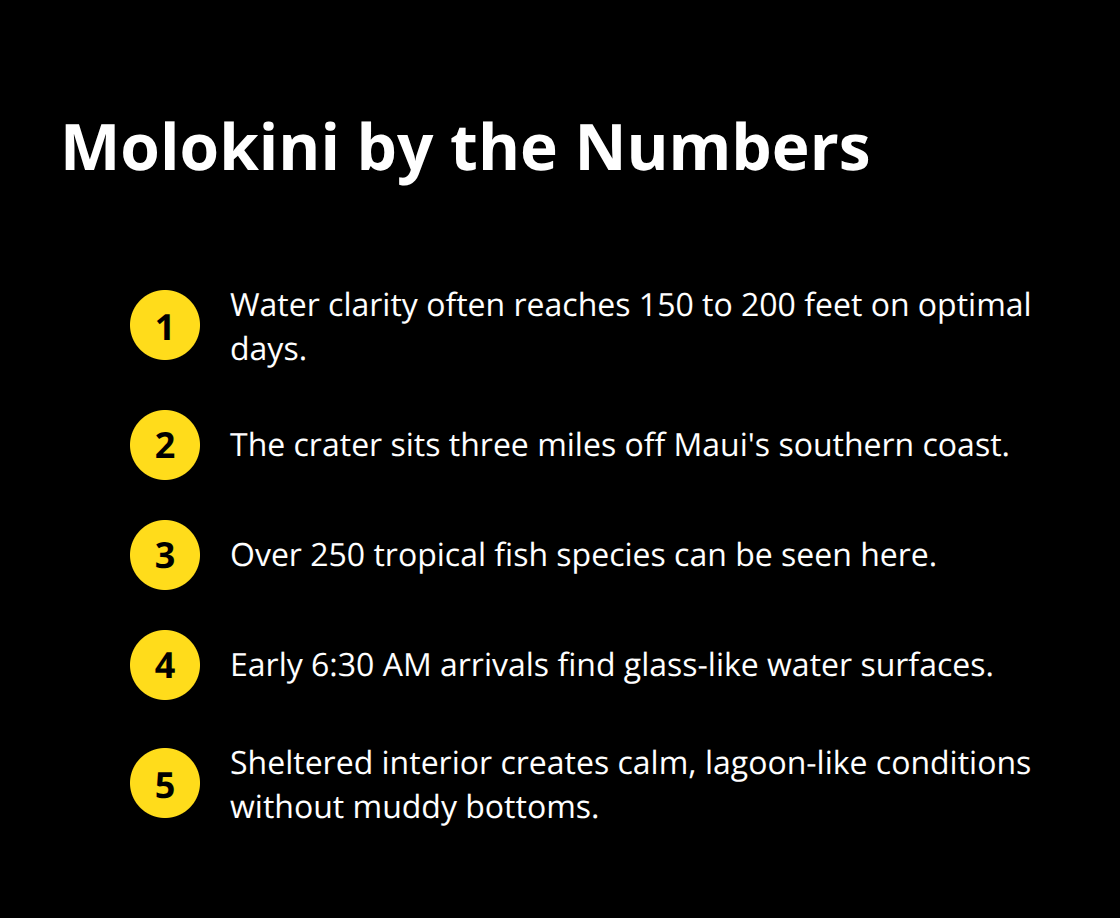
Molokini Crater isn’t just another reef-it’s a crescent-shaped volcanic caldera three miles off Maui’s southern coast, and the numbers prove why it dominates the snorkeling world. Water clarity reaches 150 to 200 feet on optimal days, which means you see four to five times deeper than typical reef destinations. The crater’s sheltered interior blocks ocean swell naturally, creating calm conditions that rival protected lagoons without the muddy bottoms. Morning arrivals at 6:30 AM catch near-glass water surfaces because overnight stillness allows sediments to settle before trade winds kick in mid-morning. The moment you slip beneath that surface, you encounter over 250 tropical fish species, with many found nowhere else on Earth.
Protected Status Preserves the Ecosystem
Hawaii’s Department of Land and Natural Resources established Molokini as a Marine Life Conservation District in 1977 and designated it a State Seabird Sanctuary specifically because the reef’s biodiversity demanded legal protection from fishing and destructive activity. Tour boats use designated moorings to protect the reef, and strict limits on vessel numbers keep crowding minimal-especially on early departures that arrive before 8:30 AM, when the crater still feels relatively undisturbed. This protection framework ensures that what you experience today remains intact for future visitors.
Coral Diversity and Reef Resilience
The reef itself tells a story of resilience and abundance. Cauliflower Coral thrives in the wave-rich environment, Mushroom Coral dots the sandy patches, and Rice Coral spawns summer events that release thousands of pink eggs and briefly cloud the water-a phenomenon you might witness on a morning tour. Black Coral shelters gobies and hawkfish in back-wall crevices, while the surge zone hosts Red Pencil Urchins that feed on algae and maintain reef balance. This structural complexity attracts moray eels, ornate octopuses, white-tip reef sharks (harmless if left alone), and manta rays that glide through deeper channels.
What Awaits You Underwater
You enter a legally protected ecosystem designed to preserve what makes Hawaii’s underwater world irreplaceable. The combination of crystal-clear water, abundant marine life, and strict conservation measures creates conditions that few snorkel destinations can match. Early-morning timing amplifies these advantages, positioning you to witness the reef at its most active and vibrant before crowds arrive and stir up sediment. This is precisely why experienced ocean adventurers prioritize Molokini for their Hawaiian snorkeling experience-and why understanding what to expect on the water matters just as much as knowing what lies beneath it.
What Happens on the Water
The Early Arrival Advantage
Your 6:30 AM check-in at Ma’alaea Harbor marks the beginning of something most snorkelers don’t experience elsewhere: a genuine sprint to the crater before anyone else arrives. The 15-minute boat ride positions you at Molokini’s moorings by 7:00 AM, when the reef fish are most active near the surface and the water still holds that glass-like quality from overnight calm.
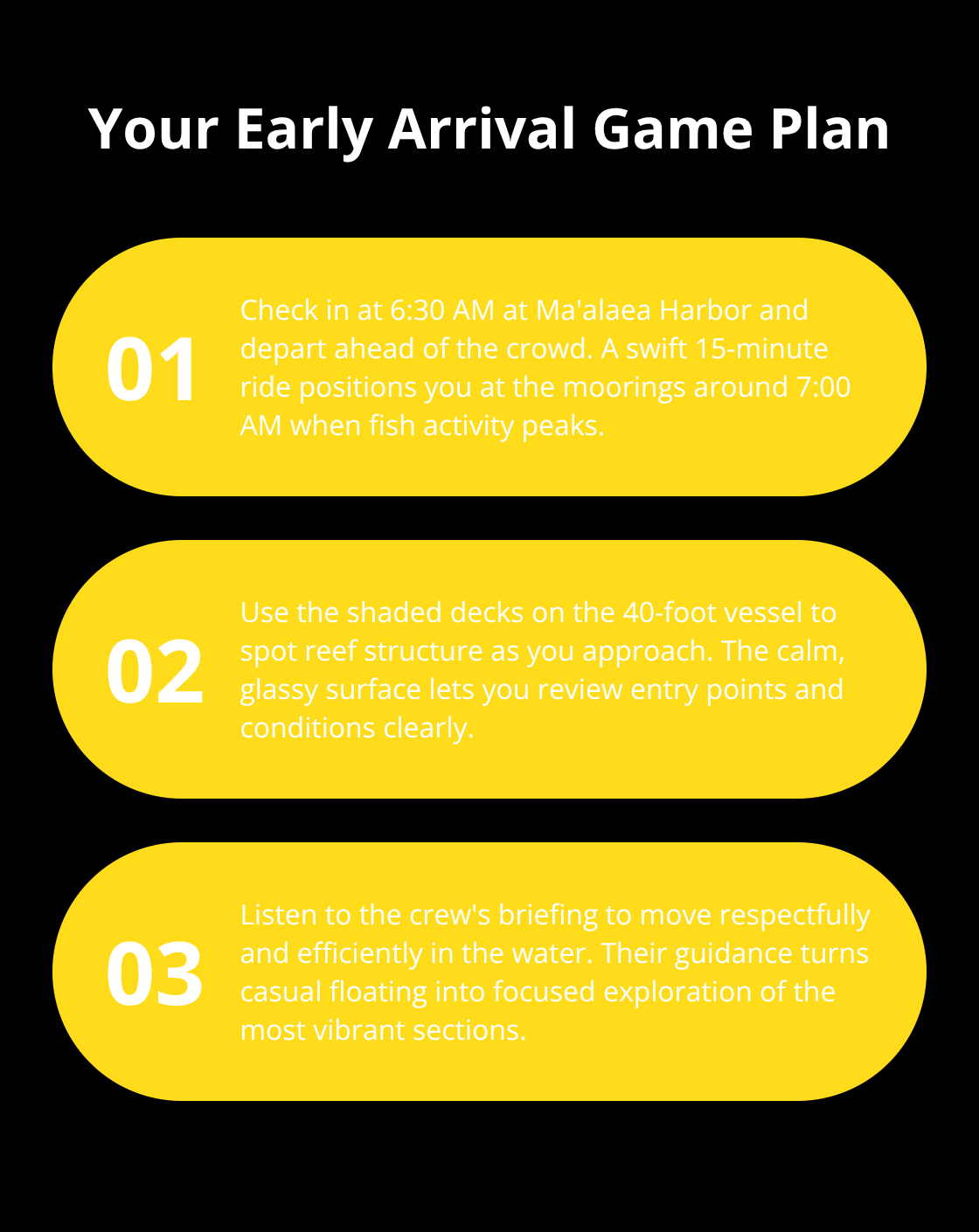
The custom 40-foot vessel features upper and lower shaded decks that let you position yourself for optimal viewing as you approach. The crew briefs you on what you’ll encounter-where the turtles typically congregate, which reef sections hold the most vibrant coral, and critically, how to move through the water without disturbing wildlife. This isn’t theoretical instruction; it’s specific guidance that transforms your snorkel from passive observation into purposeful exploration.
Meeting the Turtles and Exploring the Reef
Once underwater at Molokini, your guide positions you directly above the reef structure where Hawaiian green sea turtles are primarily herbivores, grazing on seagrass and algae in the shallower zones. These encounters happen because early arrivals catch turtles before they retreat to deeper water or move away from boat traffic. The turtles remain unbothered if you maintain distance and follow your guide’s spacing rules-they’re accustomed to respectful snorkelers but easily stressed by crowds. You’ll float above Cauliflower Coral formations that host shrimp and crabs, spot Yellow Tangs in schools of ten or more, and potentially encounter moray eels gliding between rocks if you look carefully at crevices. The visibility at Molokini reaches up to 150 feet in calm, protected waters, which means you see the reef’s structure clearly enough to understand how different coral types support different marine life.
Understanding the Reef’s Layered Complexity
Your guide shows you Red Pencil Urchins in the surge zone and explains why you never touch them despite their vibrant orange color. The reef’s layered complexity-Black Coral in crevices, Orange Cup Coral under ledges, Rice Coral on sandy patches-creates habitat for species that wouldn’t survive on a flat bottom. This structural diversity attracts moray eels, ornate octopuses, white-tip reef sharks (harmless if left alone), and manta rays that glide through deeper channels. The entire experience lasts roughly 90 minutes in the water split across two separate snorkel sessions, which prevents fatigue and lets you explore different reef sections without rushing.
Refueling Between Sessions
Between sessions, the crew serves a tropical breakfast featuring fresh fruit, croissants, and Maui Oma coffee, then a deluxe taco bar at lunch with beer, wine, and non-alcoholic beverages included. This strategic pacing keeps your energy up while your eyes take a break from the intensity of underwater observation. The crew’s Red Cross certification and First Aid training mean safety protocols are embedded into every decision they make on the water. As you refuel and rest, you’ll notice other boats beginning to arrive at the crater-a reminder of why that early departure made all the difference. What happens next on your tour depends entirely on the day’s conditions and your guide’s expertise in reading the water.
Getting Ready for Molokini
Essential Gear and How to Use It
Maui Snorkel Charters provides snorkel masks, fins, and snorkels on the custom 40-foot No Ka Oi, along with flotation devices for anyone who wants extra support in the water. The crew shows you how to clear your mask underwater-exhale through your nose to push water out-and how to position fins so they don’t slip during entry. Invest in quality equipment if you own it; rental masks often leak, and rental fins cause blisters on day-trip feet. If you’re sensitive to cold, rent a wetsuit for $10 rather than shivering through 90 minutes of snorkeling; winter months in Hawaii still mean water temperatures around 74–76 degrees, which feels chilly after an hour submerged. The crew’s Red Cross certification means they’ve trained extensively on equipment safety and water entry techniques, so trust their guidance on what works for your comfort level.
Timing Your Departure for Optimal Conditions
Early departures offer mathematically superior visibility. Morning tours deliver calm, glassy seas with visibility often reaching 100 to 150 feet, which means water surfaces stay smooth and sediment stays settled on the bottom. Try booking tours between May and September for warmest conditions and lowest seasickness risk, though Molokini remains snorkellable year-round. Avoid afternoons entirely; multiple boats stir sediment by 2:00 PM, wind roughens the surface, and fish retreat deeper. The first boat to the crater gets 45 minutes of relatively undisturbed reef time before crowds arrive-this advantage disappears if you book a later departure. Call 808-879-7218 or email [email protected] to lock in early slots, which fill fastest during school holidays and summer months.
Packing Your Beach Bag Strategically
Reef-safe, non-aerosol sunscreen only-aerosols coat the deck and harm coral when they drift into the ocean. Pack sunscreen with zinc oxide or titanium dioxide rather than oxybenzone, which bleaches coral. Bring a towel, hat, and sunglasses because the sun reflects intensely off water and your eyes need protection between snorkel sessions. A light jacket works for the boat ride out when the sun sits low and wind picks up speed. Leave valuables at your hotel; the boat has two restrooms but no lockers, and Ma’alaea Harbor parking requires cash. A camera or GoPro captures moments you’ll forget otherwise, though the crew provides free photos of you with turtles and coral. Wear board shorts or a swim shirt rather than regular shorts-regular fabric chafes when wet and dries slowly.
Fueling Your Body and Managing Hydration
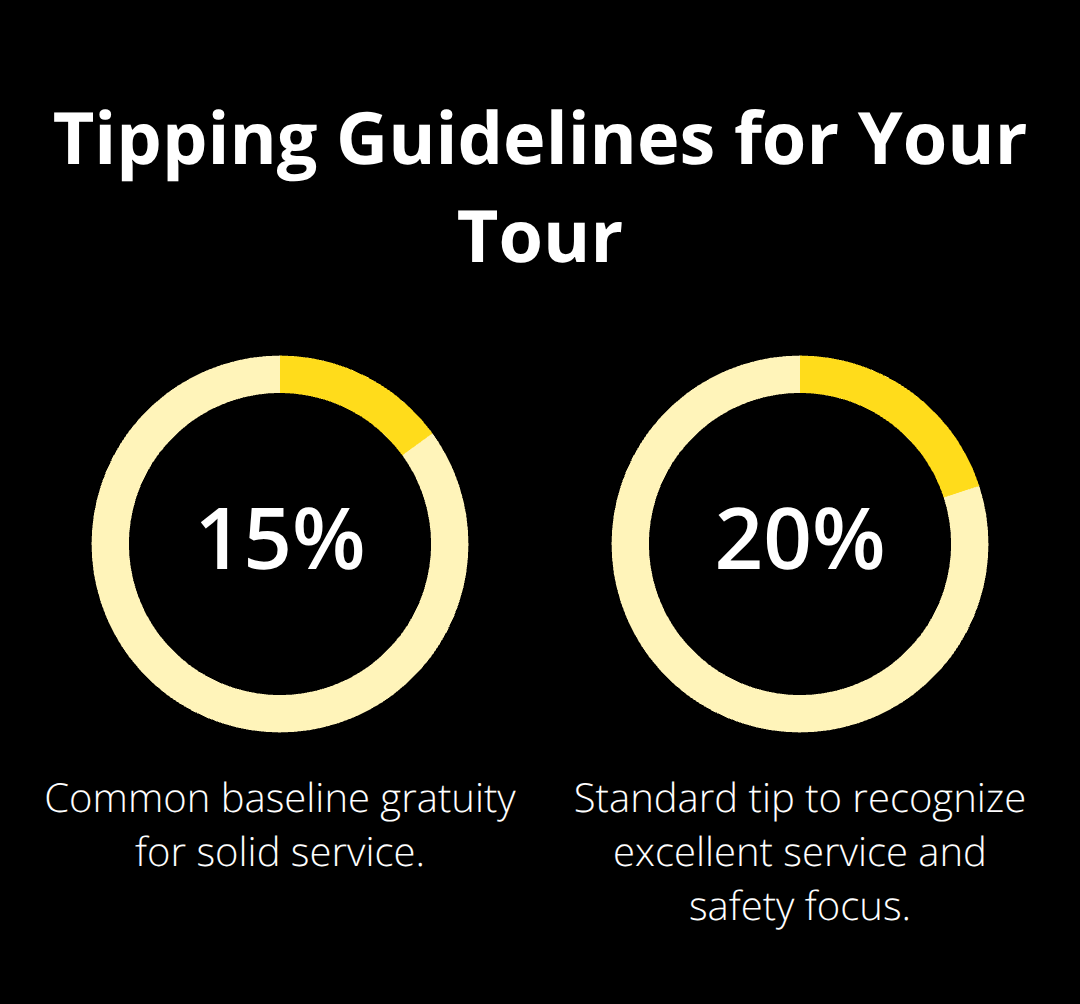
The crew serves Hawaiian coffee and banana bread breakfast plus a build-your-own taco lunch, so you don’t need to pack food, but bring a refillable water bottle because dehydration sneaks up fast in salt air and sun. Gratuity typically runs 15–20 percent of your tour price, so bring cash or ask about card options when you book.
The combination of early wake-up times, intense sun exposure, and physical activity in the water demands that you stay hydrated throughout the entire experience (morning departure through afternoon return).
Final Thoughts
A Molokini snorkeling morning tour delivers what most Hawaiian vacations promise but rarely achieve: genuine connection with the ocean and its inhabitants without the crowds or chaos. The early departure positions you among the first snorkelers in the crater, floating above pristine reef while fish remain active and curious rather than stressed by boat traffic. Your guide’s expertise transforms what could be passive observation into purposeful exploration, pointing out details you’d miss alone-the way moray eels navigate crevices, why Red Pencil Urchins cluster in surge zones, how turtles graze on seagrass without disturbance when you maintain respectful distance.
The inclusive experience removes logistical friction from your adventure. Breakfast arrives hot, lunch builds itself at the taco bar, and beverages flow throughout the day, while the crew photographs you with turtles and coral, capturing moments you’re too immersed to document yourself. Snorkel gear fits properly because the crew adjusts it personally rather than handing you rental equipment and hoping it works-this attention to detail reflects an operator that understands ocean adventures succeed when every element aligns.
What makes Molokini genuinely irreplaceable isn’t just the 150-foot visibility or the 250 fish species or the protected status that keeps the reef thriving, but the combination of all three available to you in a single morning before most of Maui wakes up. You’ll return to your hotel with salt in your hair, sunburned shoulders, and memories of Hawaiian green sea turtles, vibrant coral formations, and water so clear you felt suspended in air. Book your early departure with Kai Kanani today and make this experience your first priority when planning your Hawaiian escape.
Call 808-270-8776