
Spinner dolphins are one of Maui’s most magical marine residents, and a dolphin encounters Maui tour offers an authentic way to witness their natural behavior. These intelligent creatures play, hunt, and rest in our warm Hawaiian waters year-round, making them a reliable highlight for ocean adventurers.
At Maui Snorkel Charters, we’ve designed our dolphin tours to balance your excitement with the dolphins’ wellbeing. You’ll learn what makes these animals vital to our ecosystem while creating memories that last long after you leave the island.
What Happens on Your Dolphin Tour
Small Groups Create Personal Connections
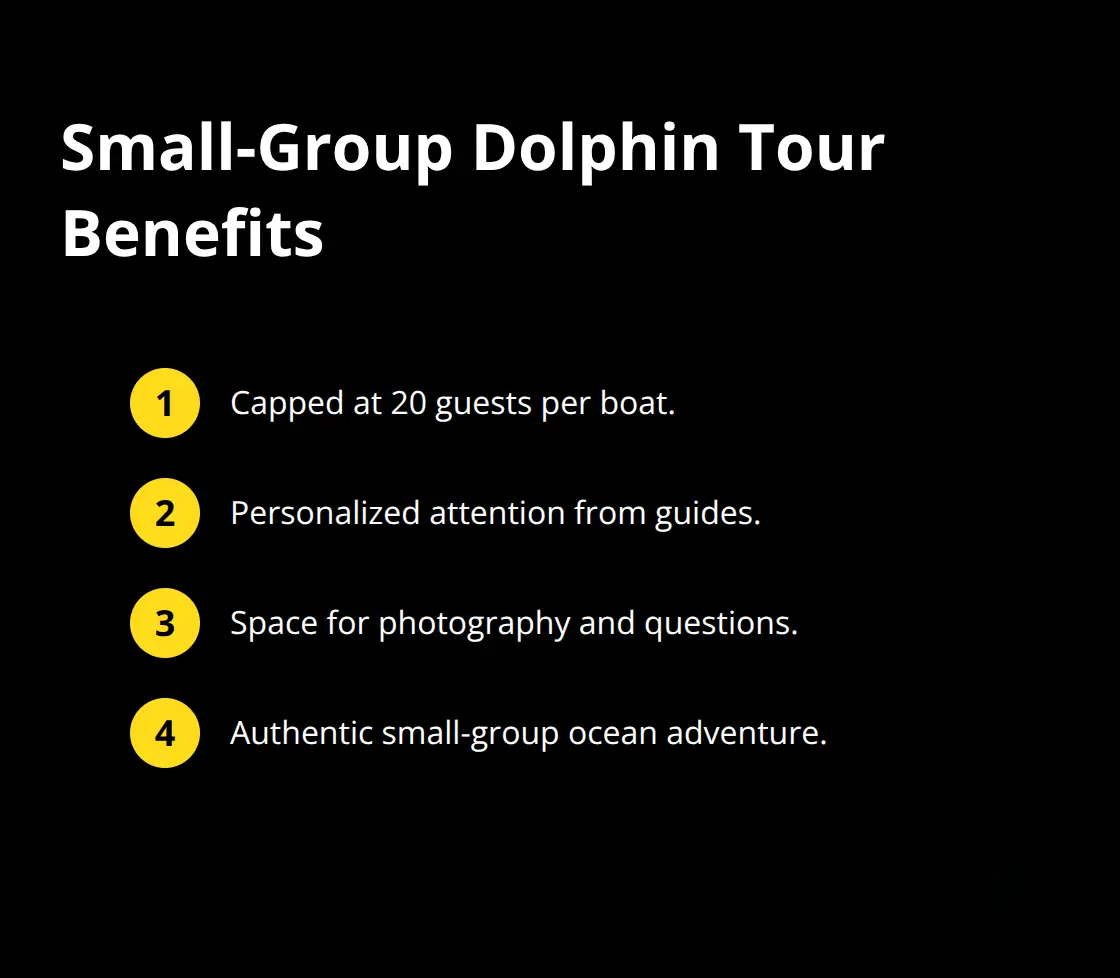
Our dolphin tours operate with small groups capped at 20 people per boat, which means you’re not packed shoulder-to-shoulder with hundreds of other visitors. This size keeps the experience personal and lets our guides focus on what each guest needs, whether that’s photography tips, marine biology questions, or just soaking in the moment. You won’t feel like a number on a crowded vessel-you’ll feel like part of a genuine ocean adventure.
Fast Runs Maximize Your Time with Dolphins
We use a custom 40-foot vessel to reach dolphin pods in roughly 15 minutes, cutting travel time so you spend more hours actually watching these animals. The speed matters because spinner dolphins in Hawaiian waters follow predictable daily patterns (they rest in sheltered bays during the day and hunt at night), so reaching the right location fast means hitting peak sighting windows. You’ll arrive when dolphins are most active and visible, not when they’ve already moved on.
Guides Teach Real Marine Biology
Our crew positions you where you can observe natural behavior without disrupting it, and they share insights about ocean health, local marine ecosystems, and conservation efforts that matter to Maui’s waters. They explain why you’re seeing specific behaviors like the spinning jumps that give these dolphins their name, what their clicks and whistles mean, and how they interact with their calves. You’ll learn which fish species they hunt, how they communicate with other pods, and why Hawaiian law protects them with a strict 100-yard distance rule that we follow religiously.
Education Meets Wildlife Observation
This isn’t passive watching from the back of the boat. Your guides share facts about spinner dolphins’ social structures, their role in the food chain, and how they indicate overall ocean health through their population numbers and behavior patterns. The whole experience combines education with genuine wildlife observation, so you leave understanding not just what dolphins do, but why they matter to everything else living in the ocean around Maui. With this knowledge in hand, you’re ready to explore what makes these animals so vital to our island’s ecosystem.
Why Spinner Dolphins Shape Maui’s Ocean Health
Dolphins Reveal What’s Happening Below the Surface
Spinner dolphins aren’t just charismatic animals you watch for entertainment-they’re active indicators of whether Maui’s ocean ecosystem is thriving or struggling. These dolphins feed on lanternfish and other deep-water species, which means their presence and population numbers tell us something concrete about food chain stability and water conditions at multiple ocean depths. When spinner dolphin pods are healthy and active, it signals that prey populations are robust and that the broader marine environment supports complex food webs. The Hawaiian Islands Humpback Whale National Marine Sanctuary tracks spinner dolphin behavior patterns as part of their ecosystem health monitoring because the animals’ activity levels, body condition, and social structures directly reflect ocean conditions. If spinner dolphins disappear or show signs of stress, marine biologists know something has shifted in the water column below.
Laws Protect Dolphins and Their Daily Routines
Hawaii’s Department of Land and Natural Resources enforces a 100-yard minimum distance rule specifically for spinner dolphins, which means tour operators must maintain strict spacing to avoid disrupting their rest and feeding cycles. This isn’t arbitrary regulation-spinner dolphins follow predictable daily routines, resting in shallow bays during daylight hours and hunting in deeper waters at night, and interruptions to these patterns can affect their energy reserves and social bonding. Respecting these boundaries protects the dolphins’ ability to survive and reproduce in Hawaiian waters.
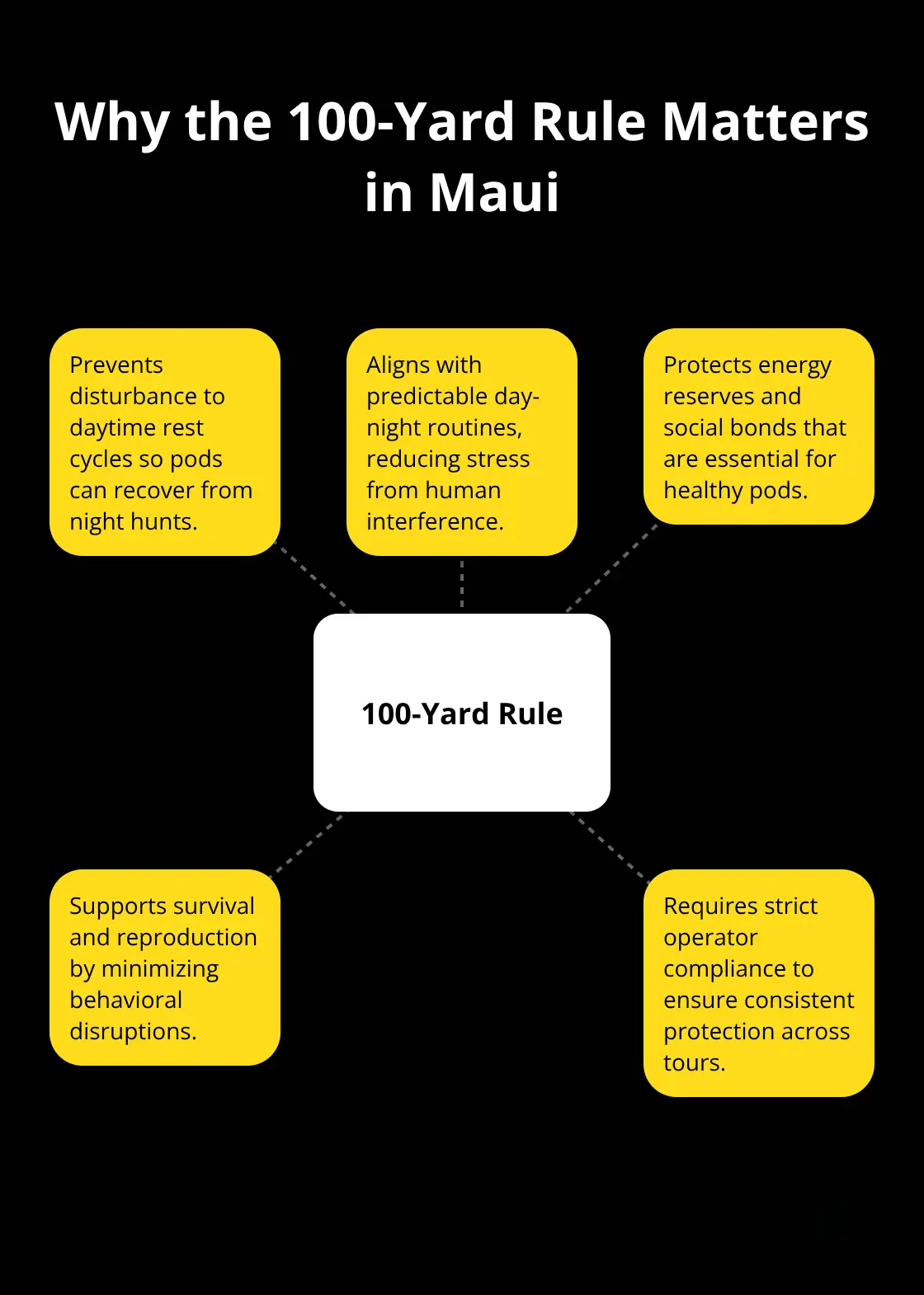
The protection laws exist because spinner dolphins are native residents here, not visitors, and they’ve adapted to these specific waters over generations.
Responsible Tours Support Conservation
Tour operators who prioritize distance compliance over cramming boats closer for better photos contribute directly to dolphin conservation while still offering authentic ocean encounters that matter. When you choose an operator that follows the 100-yard rule religiously, you’re supporting marine protection rather than undermining it. This commitment to responsible practices means the dolphins you encounter today will remain healthy residents of Maui’s waters for generations to come, which sets the stage for understanding what you should actually bring and prepare for when you plan your own dolphin adventure.
When to Go and What to Pack for Dolphins
Timing Matters for Active Dolphin Sightings
Spinner dolphins stay in Maui’s waters year-round, but your odds of encountering active, playful pods shift dramatically depending on the season and time of day. The best window runs from June through September when water temperatures peak around 79-80 degrees Fahrenheit and dolphins spend more time in shallow bays during daylight hours, making them easier to locate and observe. Winter months bring rougher ocean conditions that can limit visibility and boat access to preferred dolphin habitats, though sightings still happen regularly.
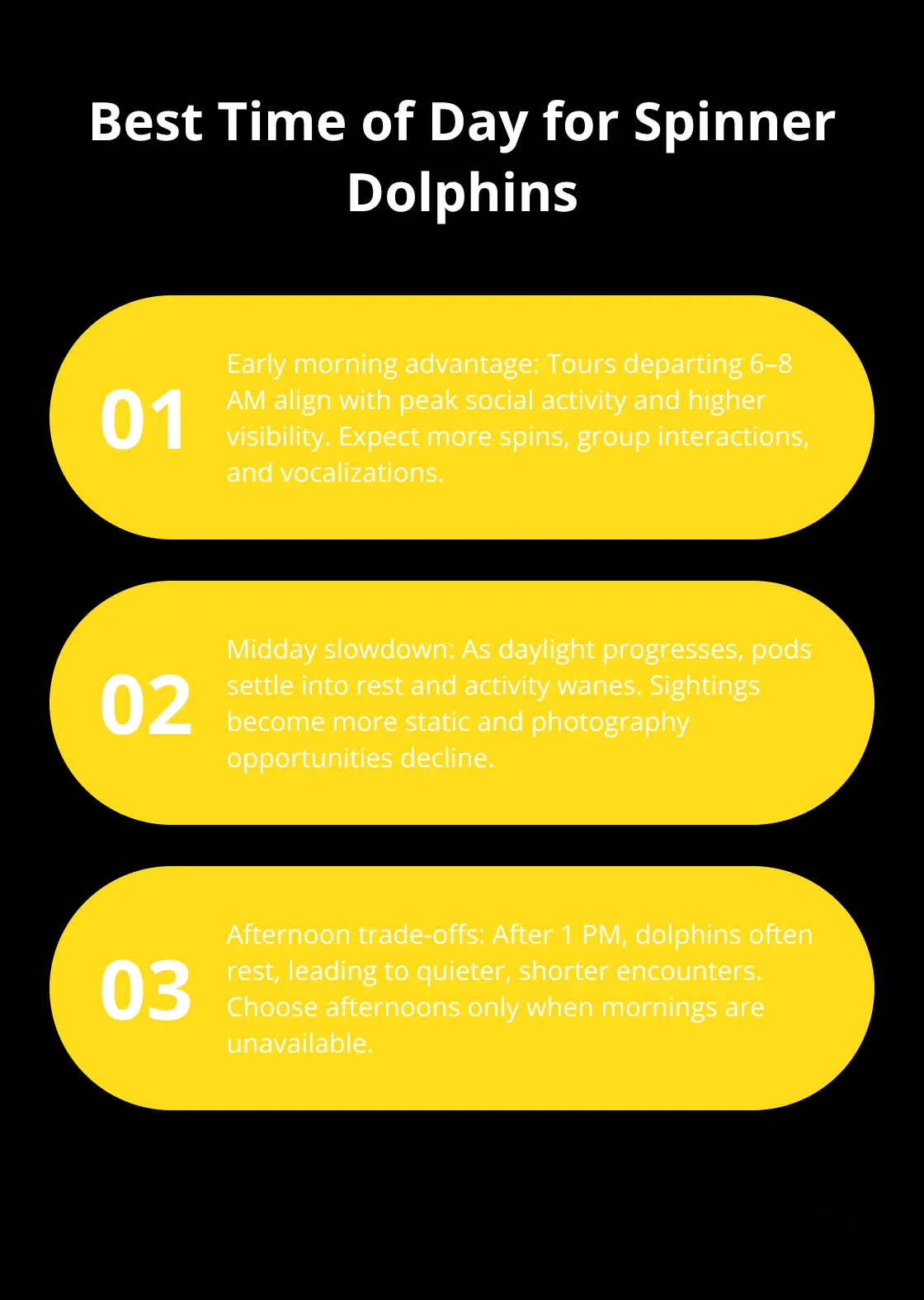
Morning tours consistently outperform afternoon departures because spinner dolphins follow predictable daily cycles, resting in protected bays during early daylight and becoming less active as the day progresses. Tours departing between 6 and 8 AM catch dolphins during their most social and active periods, which means better photo opportunities and more engaging wildlife behavior to witness. Afternoon tours departing after 1 PM often find dolphins already settled into rest mode, resulting in fewer interactions and less dynamic observation.
Sun Protection and Clothing Essentials
Pack reef-safe sunscreen with at least SPF 30 and reapply every two hours, as Maui’s sun reflects intensely off the ocean surface and causes severe burns that ruin vacations. Bring a lightweight long-sleeve rash guard or UPF shirt to reduce sun exposure on your shoulders and back, and wear water shoes with grip soles to prevent slipping on the boat deck when it’s wet. A waterproof camera or GoPro captures moments your phone won’t handle well in saltwater environments, and a dry bag protects valuables during boat operations.
Preparing Your Body for Hours on the Water
Eat a substantial breakfast before your tour because seasickness medication works best on a full stomach, and low blood sugar amplifies nausea on moving water. If you’re prone to motion sickness, take ginger supplements or prescription medication like Dramamine at least 30 minutes before boarding. Physical fitness matters less than mental preparation and body awareness-you don’t need athletic ability to enjoy dolphin tours, but you do need comfort with being on a moving boat and willingness to stand for extended periods while watching the ocean.
Health Considerations Before You Book
Anyone with severe back problems, recent surgery, or balance issues should consult their doctor before booking, as boat motion and deck movement can aggravate existing conditions. Pregnant women should skip dolphin tours entirely because the combination of motion, sun exposure, and physical demands creates unnecessary risk.
Final Thoughts
A dolphin encounters Maui tour stays with you long after you’re back on dry land. You’ll remember the spinner dolphins’ acrobatic jumps, the sound of their clicks echoing across the water, and the feeling of witnessing intelligent animals in their natural habitat. These moments matter because they connect you to something real and wild, not a staged performance or aquarium tank. When you choose responsible operators who respect the 100-yard distance rule and prioritize dolphin wellbeing over profit, you support marine conservation directly.
We at Maui Snorkel Charters built our dolphin tours around this exact philosophy-small groups capped at 20 people, fast 15-minute runs to dolphin pods, and guides committed to marine education. Your decision to book with an operator that follows protection laws sends a message that Maui’s ocean ecosystem deserves respect. Every tour that honors these standards protects spinner dolphins’ ability to rest, hunt, and raise their calves without constant disruption.
Your dolphin encounter creates a memory, but it also creates accountability. When you understand why these animals matter to Maui’s ecosystem and how fragile their daily routines are, you become someone who cares about ocean health beyond your vacation week. That shift in perspective is worth more than any photo, so visit Maui Snorkel Charters to book your tour and join us on the water.
Call 808-270-8776