Maui Snorkel Charters
Pu’u Ola’i
Puʻu Olaʻi, also called Red Hill, is a distinctive cinder cone on South Maui’s Makena coast. The surrounding shoreline adds a different perspective to a day on the ocean: volcanic rock, small coastal areas and reef scenery, with the hill rising behind them.
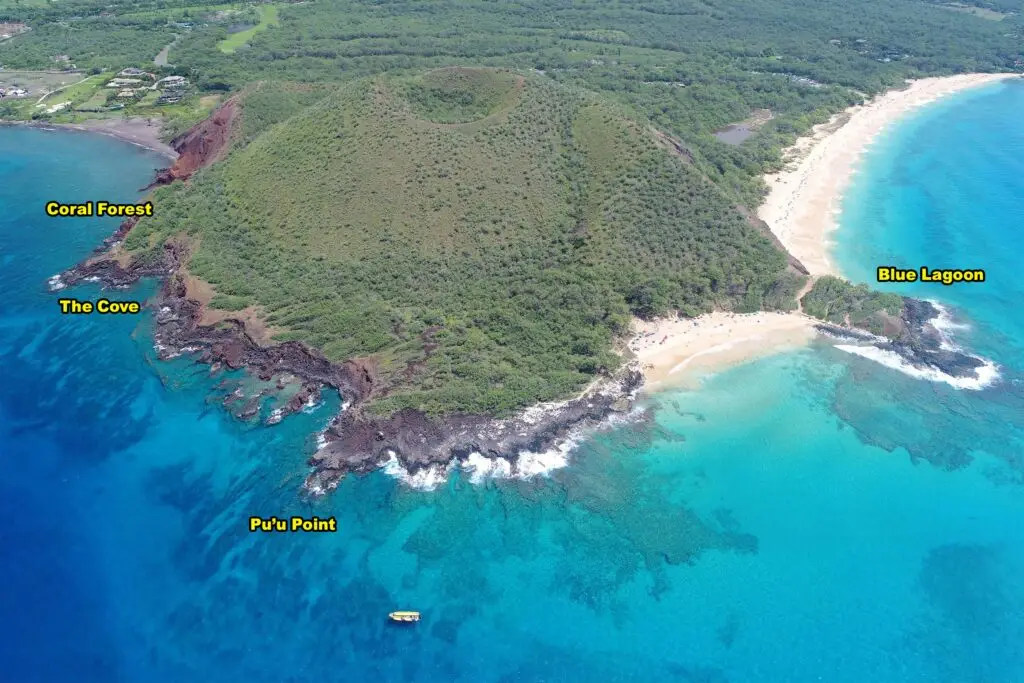
Our Puʻu Olaʻi guide covers the wider coastal region, including the local site names Blue Lagoon, Puʻu Point, The Cove and Coral Forest. These places help tell the story of the coastline. The selected tour and the day’s conditions determine whether an area is suitable for a scenic pass, wildlife viewing or a snorkeling stop.
Where Puʻu Olaʻi fits into your Maui plans
The Hawaiʻi Division of State Parks identifies Puʻu Olaʻi as the prominent cinder cone at Mākena State Park. The park’s visitor information also uses the Puʻu Olaʻi name for Little Beach and lists Oneloa, or Big Beach, and Oneuli, or Black Sand Beach, separately.
A coastal boat outing lets you appreciate the region from the ocean. A visit to one of the beaches is a separate activity to plan around current access information and conditions. Maui Snorkel Charters tours depart from Kihei Boat Ramp; a planned coastal pass does not imply a beach landing or access onto the hill.
Four coastal areas in our destination guide
The following names describe the variety of the Puʻu Olaʻi area. Enjoy them as an introduction to the scenery, while leaving the day’s route and suitable viewing locations to the captain.
Blue Lagoon
Blue Lagoon is a local name for a curved section of lava coastline in this area. Light, sand and water clarity can create striking blue and turquoise colors. Its appeal is the coastal setting; the name should not be taken as an assurance of calm water or a scheduled swimming stop.
Puʻu Point
Puʻu Point brings together rocky shoreline, inlets and underwater formations around the headland. It offers a different view of the relationship between Maui’s lava coast and the ocean. Wildlife may pass through the area, but a particular species or encounter cannot be planned into every outing.
The Cove
The Cove is a small coastal area associated in our guide with sand and shells. When conditions allow an appropriate view, the details of the seafloor can be part of its interest. Leave shells and other natural materials where they are, taking photographs and memories home.
Coral Forest
Coral Forest refers to reef scenery and sand channels along this part of the Makena coast. Its appeal is the variety of shapes and habitats, with opportunities to observe reef life when conditions permit. Appreciate coral without standing on, touching or damaging it, following the crew’s guidance.
Choose a tour with room for the coast
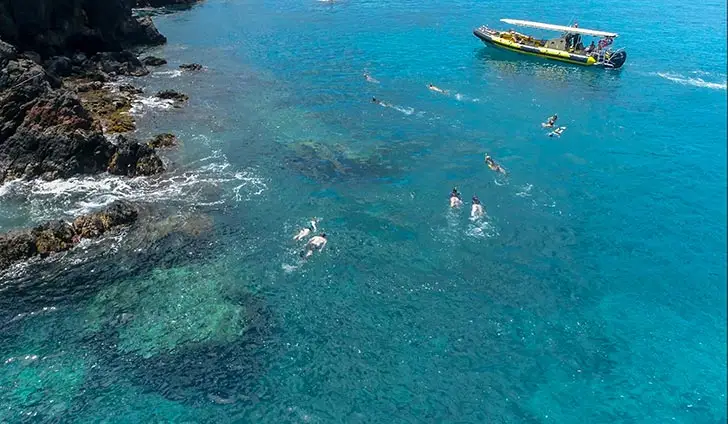
Our three-hour Molokini and South Maui tour includes Puʻu Olaʻi in its planned coastal sequence, along with turtle-focused areas. The five-hour snorkeling adventure gives you a longer ocean morning. Read each itinerary to understand the planned route and the time you will spend aboard.
Our coastal itinerary treats Puʻu Olaʻi as a scenic wildlife-viewing area, with possible dolphin sightings. Dolphins move freely, and the crew adjusts the visit for conditions and responsible viewing. A boat-based lookout is an opportunity to observe rather than an invitation to swim with dolphins.
Enjoy wildlife with care
Give animals room to behave naturally. NOAA recommends viewing sea turtles in Hawaiʻi from at least 10 feet away, on land and in the water. Avoid touching, chasing or feeding them, and follow the crew’s directions. That distance is a viewing recommendation; wildlife-protection laws also apply.
NOAA’s current Hawaiʻi guidance explains responsible viewing for turtles, dolphins and other marine wildlife. Observing quietly from the appropriate distance helps keep the encounter special for everyone.
Plan an enjoyable morning
Earlier departures offer our best chance of calmer water, taking advantage of often lighter morning winds. Learn why we favor the early start in our Maui wind guide. The captain assesses the crossing, coastal stops and return for each outing.
If you also plan a beach visit, check the official Mākena State Park information for current hours, access notices and visitor requirements. DLNR warns of dangerous shorebreak here. Follow posted warnings and choose activities for the actual conditions rather than assuming that nearby beaches and offshore areas will feel the same.
Compare our tours and review the swimming and participation requirements to find a good fit for your group. For exclusive use of the boat, explore private-charter options. Our crew brings preparation and local knowledge to the day, helping you appreciate more of South Maui’s coast at a comfortable pace.