← Maui Snorkel Report

A little local knowledge

Maui wind patterns.
Why we go early.

The wind doesn’t sleep in.

Our earlier tours offer the best chance for calm waters. We make the most of Maui’s often lighter morning winds, with your comfort and a wonderful day on the water in mind.

Find your early adventure
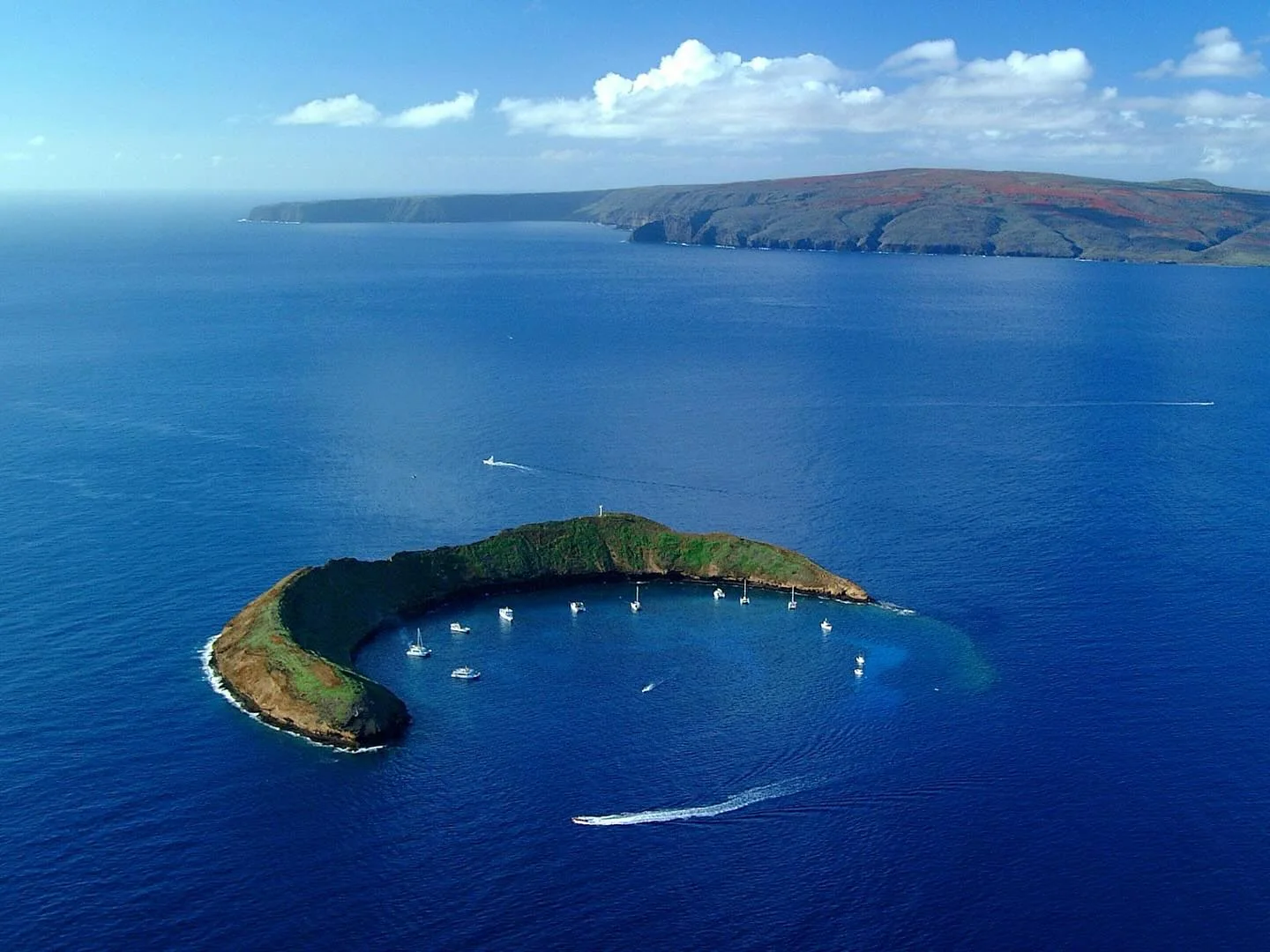
Aerial view of Molokini’s crescent-shaped crater, boats and the surrounding ocean
A sheltered stop and the open-water crossing can feel very different.

A head start on the day

Worth setting the alarm.

Along South Maui, the early morning often offers lighter winds before daytime breezes build. Those breezes can begin during the morning, which makes an early start especially worthwhile. The timing and strength vary with the day’s weather.

That is why we head out early from Kīhei. Our goal is simple: help you have your best day ever on Maui. We bring local knowledge, a thoughtfully planned route and a crew who cares about your experience. Our captains choose the day’s stops around the conditions so you can settle in and enjoy the ocean.

Three things shape the breeze

The trades, the sunshine & the island.

The trade winds

Hawaiʻi’s familiar trade winds usually arrive from the northeast, driven by high pressure over the Pacific. They can continue overnight, and their strength changes with the wider forecast. We look at the morning itself when planning your route.

The daytime sea breeze

As sunshine warms the land, air rises and cooler ocean air moves inland. This local sea breeze can change wind speed and direction as the day develops. Its strength depends on the wider weather pattern.

Maui’s mountains

Haleakalā and the West Maui Mountains redirect airflow. Some places gain shelter; others experience faster winds around slopes, headlands and channels. Our captains assess the crossing and snorkeling stops alongside the coastal forecast.

One island, many moods

Kīhei, Wailea & the crossing.

Kīhei and Wailea sit on Maui’s leeward side, where shelter from the usual trades can make conditions different from exposed windward shores. Nearby Māʻalaea Bay and the channels around Maui can still experience strong winds.

Our captain considers the departure, the crossing, each snorkeling stop and the return. We use the early start as an advantage while assessing the whole trip. Check the Maui Snorkel Report for current planning information.

Before you set that alarm

A few good questions.

Why choose an early departure?

An early start often gives you lighter winds and less wind-driven chop, making it our first recommendation when calm water is high on your wish list. Each day has its own pattern: overnight trade winds, passing weather systems and incoming swell can change conditions. Our crew reviews the forecast and actual conditions for every departure.

How does an afternoon advisory affect a morning tour?

The dates and hours make a difference. An advisory that starts after a morning tour’s planned return has different timing from one that continues overnight. For example, “this afternoon through Friday afternoon” also includes Friday morning.

We compare the advisory’s location and timing with the whole trip: departure, crossing, snorkeling stops and return. We also account for any earlier change in wind or waves. The Maui Snorkel Report shows the available timing details, and our team can help with questions about your departure.

How do you plan around changing conditions?

Your captain can adjust the route or stops to suit the day, with your comfort and experience in mind. If we cancel because conditions do not meet our safety and guest-experience standards, we offer a full refund or rescheduling. See what a Small Craft Advisory means for your tour.

Start early. Stay curious.

Make the morning yours.

Choose the adventure that fits your crew, then check the live calendar for your dates. We will take care of planning the route around the day.

Compare Maui snorkel tours