
Humpback whales migrate to Hawaiian waters between January and March, and Maui offers some of the best viewing opportunities in the world. Here at Maui Snorkel Charters, we’ve watched thousands of visitors experience the magic of seeing these massive creatures up close.
Whether you’re planning your first Hawaii whale watching tour on Maui or you’re a seasoned ocean explorer, this guide covers everything you need to know to make the most of your adventure.
What to Expect When You Head Out on the Water
Peak Season and Whale Populations
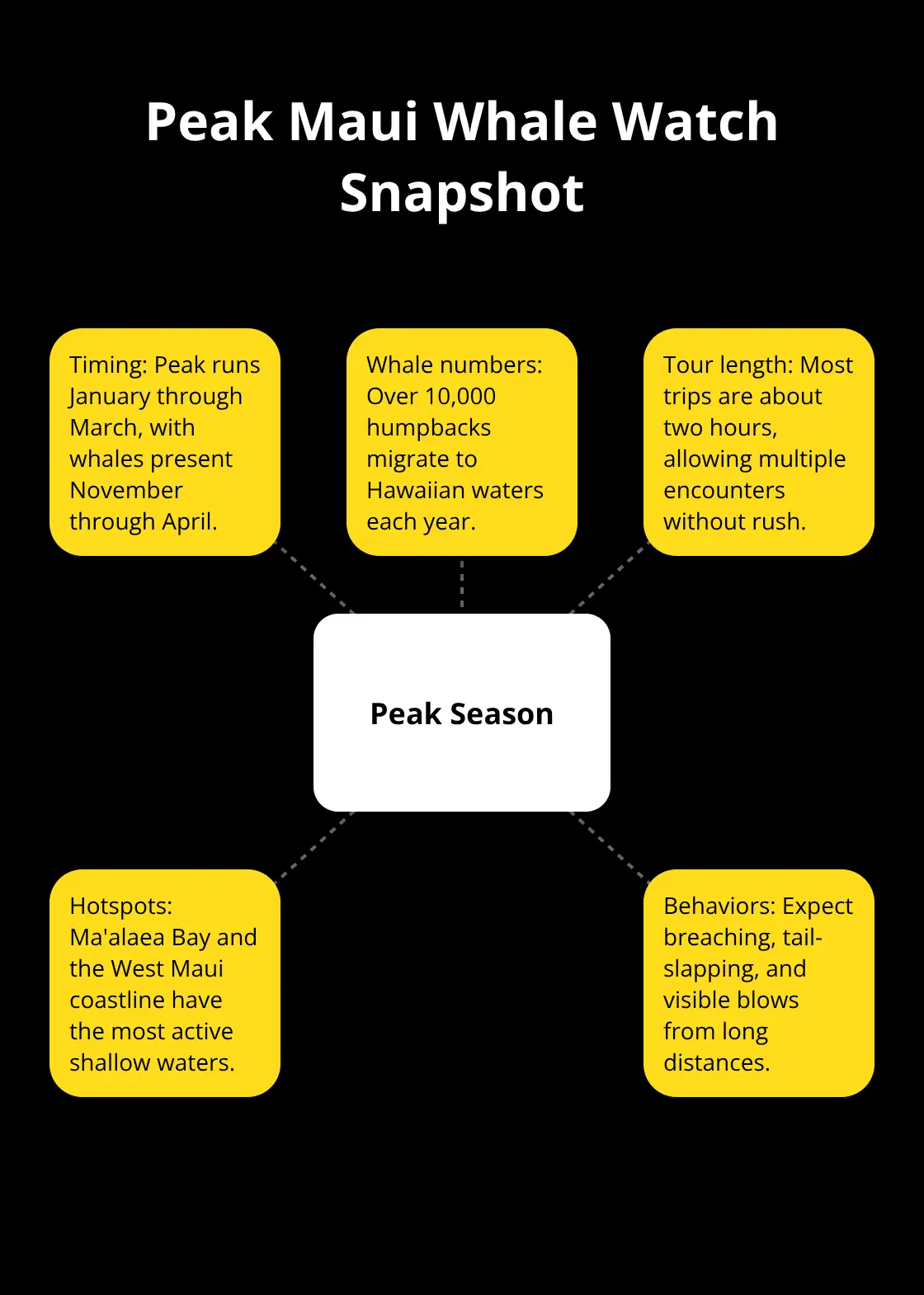
Peak whale season on Maui runs from January through March, with humpback whales generally seen in Hawaiʻi from November through April each year. During these months, over 10,000 humpback whales migrate to Hawaiian waters, and you’ll spot them breaching, tail-slapping, and surfacing with visible blows from considerable distances. Most tours last around two hours, which gives you plenty of time to watch multiple whale encounters without feeling rushed. The shallow waters of Ma’alaea Bay and the West Maui coastline attract whales most actively, so your tour operator will position the boat in these zones.
What You’ll Actually See
Expect to see mother-calf interactions during late January through April, when calves are most visible and curious about boat activity. You might also encounter spinner dolphins alongside the whales-many operators market combination sightings because this happens frequently enough. Weather conditions matter significantly; windy days mean choppier water and more spray, so dress in layers and bring a light jacket regardless of how warm it looks on shore.
Distance and Viewing Laws
Hawaii law requires all boats to maintain at least 100 yards distance from whales, though whales often approach closer out of curiosity, which is when the most memorable moments happen. Small raft-style boats position you closer to water level, creating an intimate viewing experience where you can hear whale songs through onboard hydrophones if your operator includes one. Larger catamarans offer more stability and comfort but position you slightly higher above the water.
Maximizing Your Sightings
Sightings are guaranteed on most tours-if you don’t see whales, you can rebook for free on the next available departure. Bring binoculars even on boat tours because whales often surface at distances where magnification helps you spot behaviors clearly. A good camera or smartphone works fine for photos, though the sun reflecting off water creates glare, so polarized sunglasses help both your eyes and your shot quality.
Managing Motion Sensitivity
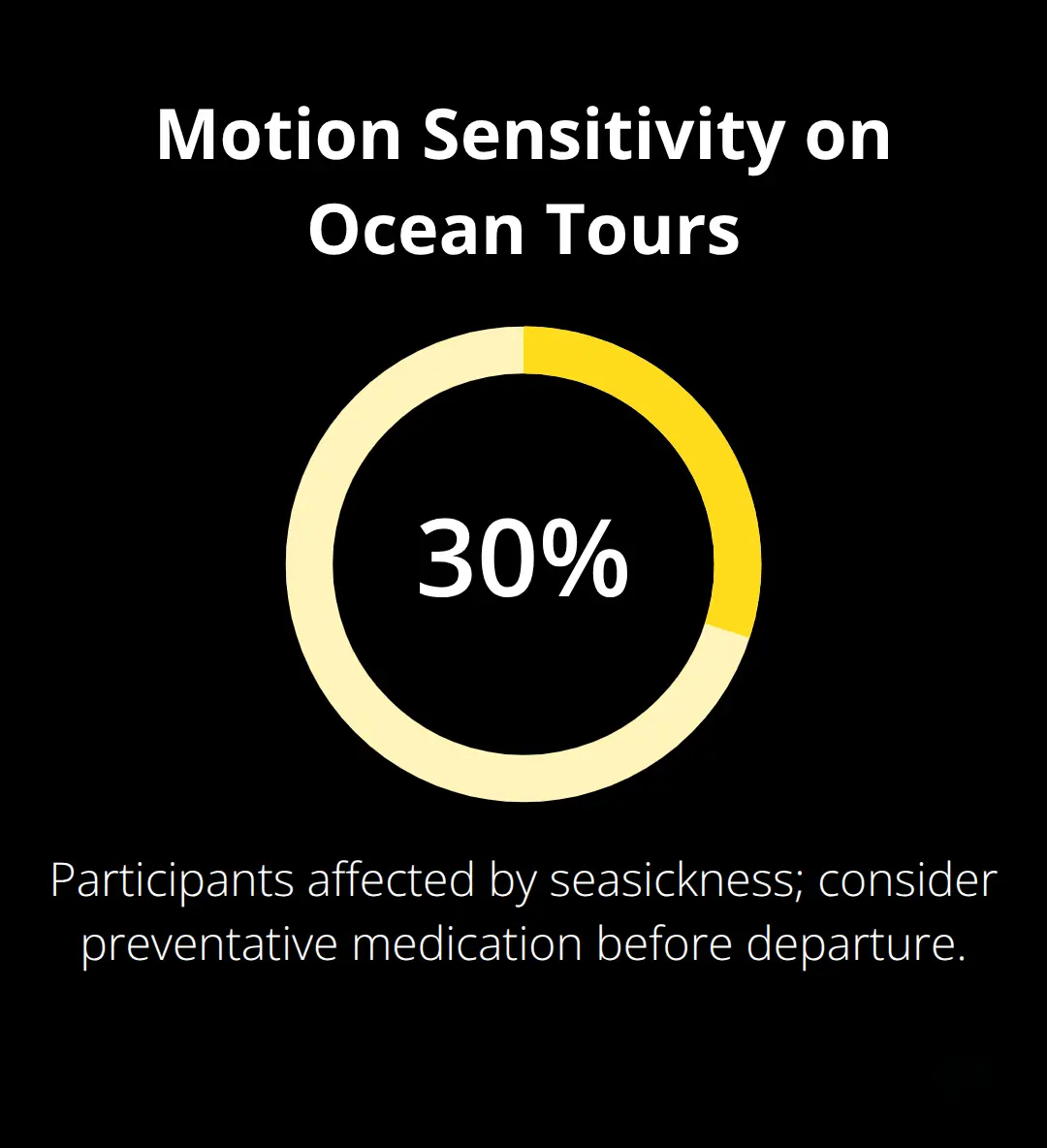
Seasickness affects roughly 30 percent of ocean tour participants, so consider taking medication beforehand if you’re prone to motion sensitivity. Your choice of boat type directly impacts comfort-larger vessels provide smoother rides, while smaller rafts offer closer encounters but more water contact. Understanding these trade-offs helps you select the right operator for your tolerance level and what matters most to you on the water.
Finding the Right Operator for Your Maui Whale Watch
Raft Tours vs. Catamaran Experiences
Small raft-style boats position you at water level, creating intimate encounters where whale songs travel directly through onboard hydrophones and spray occasionally reaches the deck. These tours typically carry 6 to 20 passengers, depart from Kaʻanapali Beach or Lahaina, and cost around $86 for public tours or $949 for private charters. You’ll feel every wave, salt spray will coat your camera, and seasickness medication becomes essential for sensitive stomachs. Larger catamarans from Ma’alaea Harbor carry 100+ passengers, offer bathrooms, snack bars, and smoother rides, but position you higher above the water where whales appear smaller and more distant.
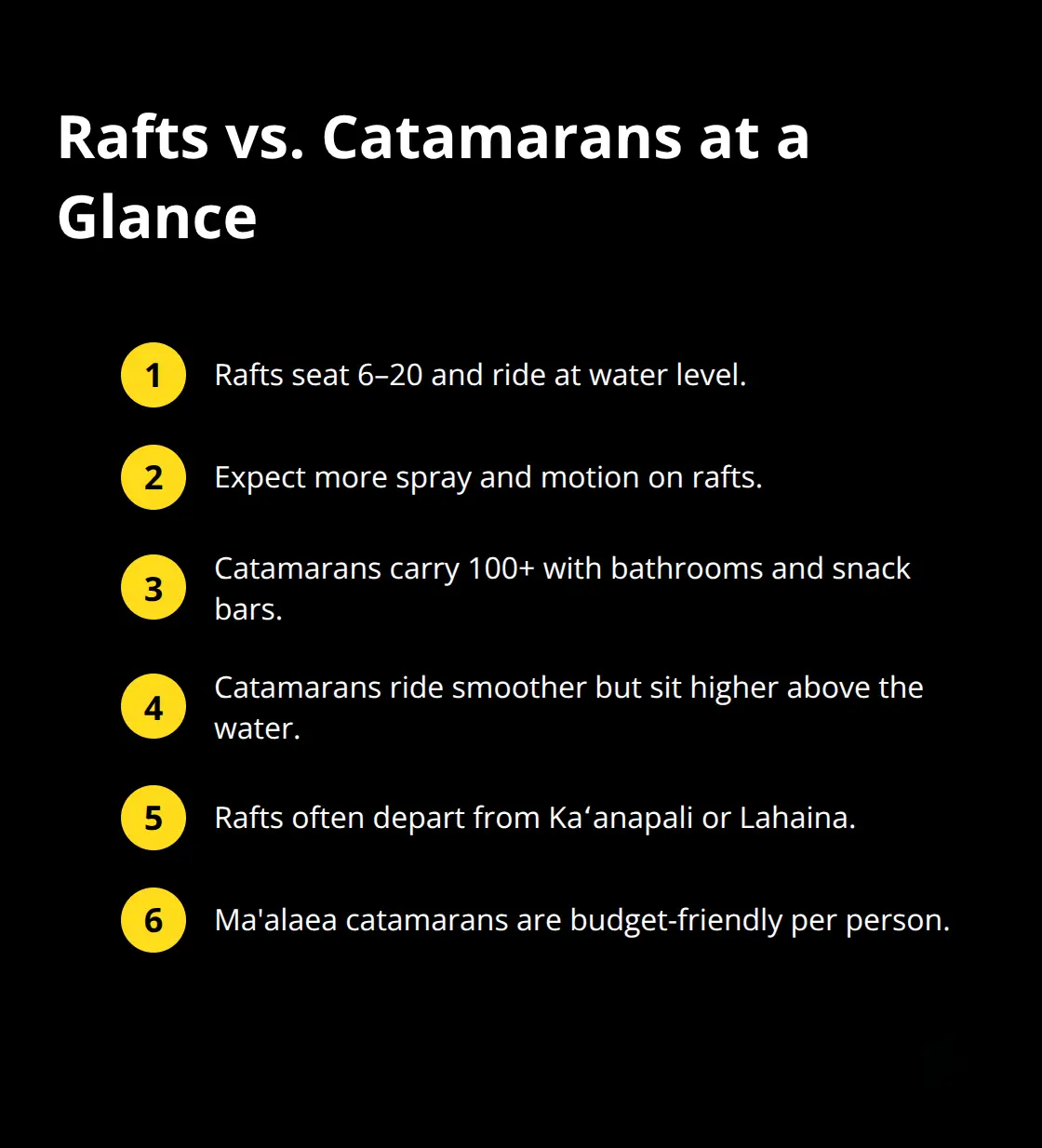
Pricing at Ma’alaea runs $59.95 for adults and $49.95 for children aged 7 to 12, making them significantly cheaper per person.
What Separates Quality Operators
Quality operators employ certified marine naturalists who provide educational narration about whale migration, behavior, and conservation history rather than just pointing and saying look there. They guarantee whale sightings, offering free rebooking if you don’t see whales on your scheduled tour, which removes booking risk. Check their safety equipment standards, life jacket policies, and whether they maintain the required 100-yard distance from whales while positioning boats where curious whales naturally approach. Operators using faster twin-engine boats reach prime viewing zones in Ma’alaea Bay and West Maui’s shallow waters more quickly, giving you more time watching rather than traveling.
Verification Steps Before You Book
Verify their cancellation policy requires 24-hour notice, which protects both you and them. Read recent reviews specifically mentioning actual whale sightings, not just operator friendliness, since some tours operate in rough conditions where whales stay deeper. Check whether they include hydrophones (allowing you to hear underwater whale songs) and whether certified naturalists staff the vessel. Ask about their typical group sizes and boat speed-faster boats with smaller groups often deliver more personalized experiences and better positioning for sightings.
Your Next Decision Point
The real question isn’t which option is objectively better-it’s which matches your comfort threshold and what you’re willing to sacrifice. Small rafts deliver water-level intimacy but demand tolerance for spray and motion. Large catamarans provide stability and amenities but sacrifice proximity. Once you’ve selected your operator type, the next step involves preparing your body and gear for the actual experience.
How to Pack and Dress for Whale Watching Success
Layering and Waterproof Protection
Whale watching demands specific gear choices that most first-time visitors underestimate. Start with a moisture-wicking base layer because ocean spray soaks through regular cotton within minutes, and the wind chill on the water drops temperatures 10 to 15 degrees below shore readings. A lightweight waterproof jacket ranks higher in importance than sunscreen alone, though you absolutely need both since the sun reflects intensely off water and causes faster burns than land-based activities. Smaller raft-style tours expose you to more spray, so waterproof bags for your phone and camera become essential rather than optional.
Eye and Head Protection
Polarized sunglasses cut water glare and protect your eyes while spotting whale blows and behaviors at distance. Pack a wide-brimmed hat or baseball cap to shield your face, and wear non-slip shoes with good traction because boat decks stay wet and slippery regardless of weather. These items prevent eye strain during long hours scanning the ocean and reduce the risk of slipping on wet surfaces.
Managing Motion and Digestion
If you’re prone to motion sensitivity, take motion sensitivity medication before departure rather than waiting until nausea starts, since prevention works far better than treatment once symptoms develop. Dramamine or ginger supplements both show effectiveness, though individual responses vary widely. Eat a light breakfast with complex carbohydrates and protein before boarding because an empty stomach increases seasickness risk significantly, yet heavy meals can work against you on rough water days. Hydration matters more on boats than shore activities since salt air and wind accelerate dehydration, so drink water consistently throughout your tour rather than waiting until you feel thirsty.
Capturing Whale Moments on Camera
Photography on whale watching tours requires accepting that perfect shots rarely happen because whales surface unpredictably and water conditions constantly shift. Bring your smartphone if you don’t own a camera since modern phones capture surprisingly good images with their built-in zoom features, and you won’t regret having every shot you can get. Polarized lenses on your camera filter water reflection and improve color saturation in your images compared to unfiltered shots. Position yourself on the boat’s side where whales are most likely to surface rather than chasing them around the deck, since experienced captains anticipate whale movement patterns better than passengers do. Expect to take 50 shots to capture 5 usable ones, so don’t stress about missing the perfect breach moment.
Audio and Lighting Advantages
If your operator includes a hydrophone allowing you to hear underwater whale songs, prioritize listening over photographing during those moments because recordings rarely capture underwater audio quality comparable to hearing it live. Sunset tours from Lahaina offer superior lighting conditions for photography compared to midday departures, and the golden hour creates dramatically better image quality without requiring expensive camera equipment. Accept that some of your best memories won’t translate to photos because watching a mother whale interact with her calf creates emotional impact that cameras struggle to replicate.
Final Thoughts
Maui whale watching delivers an experience that transcends typical vacation activities. You witness one of nature’s most remarkable migrations in real time, watch mothers protect calves, and hear underwater songs that travel thousands of miles across the Pacific. The humpback whales visiting Hawaiian waters between November and April represent a conservation success story, with populations rebounding from just 600 in 1973 to over 10,000 today.
Booking your Hawaii whale watching tours on Maui requires minimal planning once you select your operator type and preferred boat size. Most quality operators accept reservations online with 24-hour cancellation policies, and reputable operators offer free rebooking if whales don’t appear, which removes financial risk from unpredictable ocean conditions. Schedule your tour during peak season from January through March when calf sightings peak and whale activity reaches its highest levels.
We at Maui Snorkel Charters offer year-round snorkel tours to Molokini Crater and Turtle Town aboard our custom 40-foot vessel, with fast 15-minute runs and flexible routes chosen for daily conditions. Visit Maui Snorkel Charters to explore how we enhance your complete Maui ocean experience, whether you combine whale watching with snorkeling or plan separate excursions.
Call 808-270-8776