
Maui’s underwater world offers some of Hawaii’s most spectacular snorkeling experiences. From vibrant coral reefs to encounters with native sea turtles, the island delivers unforgettable moments for both beginners and experienced snorkelers.
Whether you’re seeking pristine waters or abundant marine life, this guide covers everything you need to plan your perfect snorkeling adventure. Discover the best spots, what to expect, and how to make the most of your time exploring Maui’s tropical waters.
Where Should You Snorkel in Maui
Molokini Crater: The Premium Boat Experience
Molokini Crater stands out as the premier destination for serious reef enthusiasts willing to invest in a boat trip. This Marine Life Conservation District delivers visibility often exceeding 100 feet, hosting over 250 fish species alongside manta rays, reef sharks, and green sea turtles. A boat launch from Maalaea Harbor takes roughly 30–60 minutes depending on your starting point in Kihei, and prices range from $100 to $500+ per person depending on operator amenities. Maui Snorkel Charters offers a practical middle ground at $99 per person with a 15-minute run from Kihei, including gear, Hawaiian coffee and banana bread breakfast, and guided encounters aboard their custom 40-foot vessel. However, the crater’s managed snorkeling zone limits exploration freedom, and rough winter swells can cancel trips entirely. Shore snorkeling at spots like Mala Ramp in Lahaina or Honolua Bay delivers comparable marine diversity without the cost or scheduling constraints, making boat trips worthwhile primarily for first-time snorkelers seeking instruction or those chasing specific wildlife like manta rays.
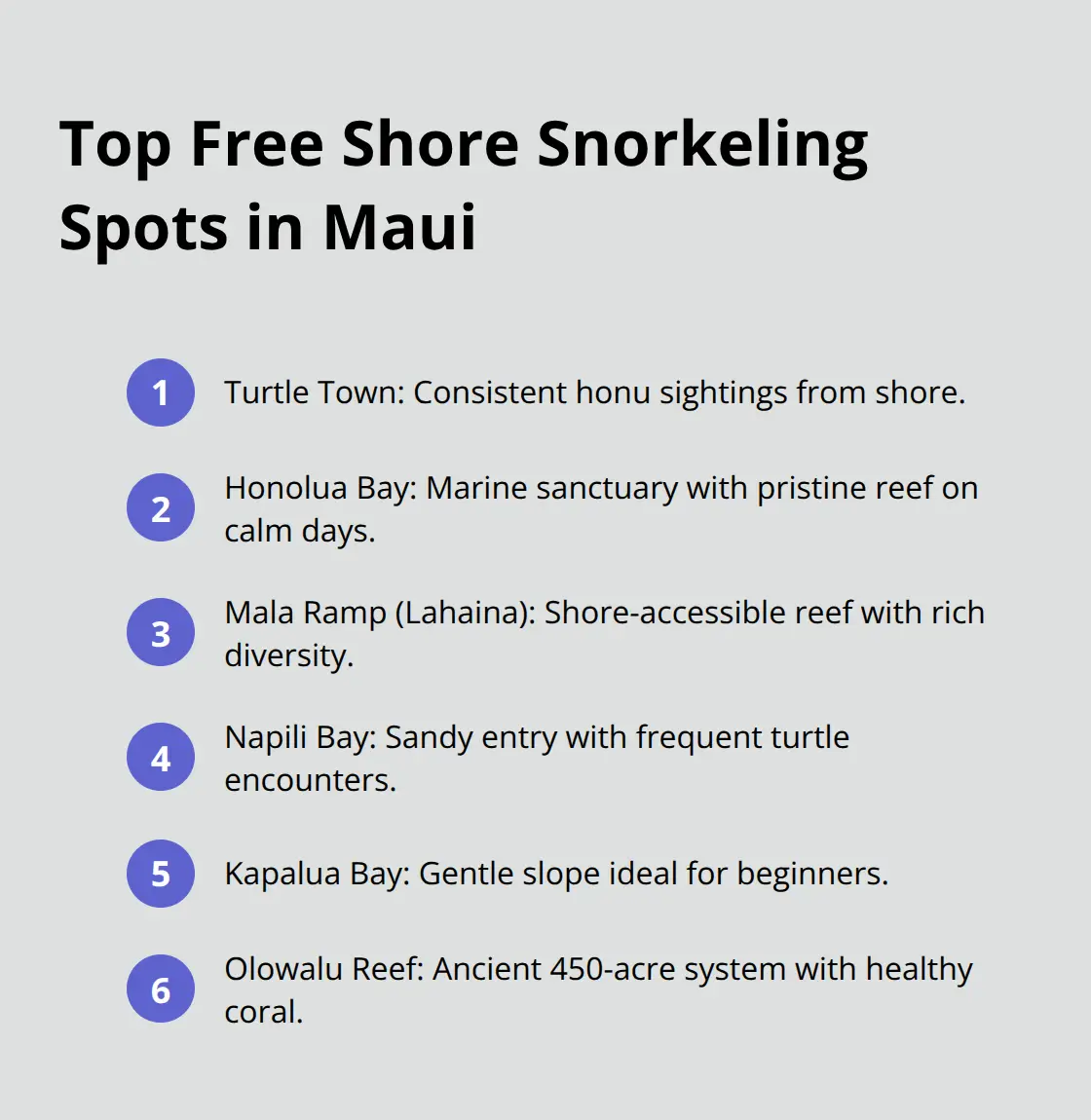
Turtle Town and Honolua Bay: Free Alternatives with Consistent Results
Turtle Town near Maluaka Beach and Honolua Bay on Maui’s northwest coast represent the strongest no-cost alternatives for consistent sea turtle sightings and abundant reef fish. Turtle Town requires only a sandy entry and rewards early arrivals with multiple honu encounters, while Honolua Bay’s protected marine sanctuary provides pristine snorkeling during calm weather, though winter swells make the right side unsuitable for casual swimmers. Both spots demand morning visits between 7:30–9:00 am before crowds and wind intensify visibility.
Timing Your Visit for Optimal Conditions
You should arrive at popular beaches by 7–8 am to secure parking and benefit from the calmest water conditions. Mid-morning snorkeling between 9:30–11:00 am offers a practical compromise if early starts conflict with your schedule. The daily Maui Snorkel Report confirms which coast offers the best conditions that day, as wind patterns shift dramatically across the island by afternoon. This single step eliminates wasted trips to unsuitable spots and directs you toward the location with the highest visibility and calmest entry conditions. With this information in hand, you can now explore what awaits you beneath Maui’s surface.
What Maui’s Waters Reveal
Maui’s snorkeling reality differs sharply from tropical postcards. Visibility fluctuates between 30 and 150 feet depending on location, season, and daily conditions rather than remaining consistently pristine. South Maui reefs near Kihei typically deliver 40–60 feet of visibility on calm mornings, while Molokini Crater‘s protected crater bowl reaches 100–150 feet on ideal days. Winter swells reduce visibility dramatically along exposed northern shores like Honolua Bay, where surge and suspended sediment can drop clarity to 20 feet within hours. The daily Maui Snorkel Report tracks these shifts, and you must check it before 8:30 am to avoid wasted trips. Visibility peaks between 9:30–11:00 am when overhead sun penetrates deeper and wind hasn’t yet stirred the bottom, making this window your most reliable period for photography and detailed reef observation.
Reef Life and What You’ll Actually Encounter
Maui reefs host over 250 fish species, though most snorkelers spot only 15–20 regularly. Parrotfish dominate shallow zones, their crunching sounds audible underwater as they graze algae from coral. Yellow tangs, moorish idols, and trumpetfish populate mid-reef areas, while deeper channels near Turtle Town and Olowalu’s 450-acre reef system attract reef sharks, eagle rays, and occasional manta rays during summer months. Sea turtles appear consistently at Turtle Town, Honolua Bay, and Napili Bay, particularly at sunrise and sunset when fewer snorkelers crowd the water. Coral health varies dramatically: Olowalu hosts ancient, healthy formations, while some southern reefs show bleaching stress. You must avoid touching any coral, as even light contact damages polyps and introduces bacteria. Hawksbill turtles, listed as critically endangered, appear occasionally at deeper sites like Five Caves near Makena; you should observe them from distance without approach.
Entry Points and Physical Demands
Rocky entries dominate Maui’s best snorkeling spots, requiring water shoes or neoprene booties to prevent cuts from sharp kiawe thorns and coral. Turtle Town and Honolua Bay offer sandy entries, making them superior choices for beginners and families with young children.
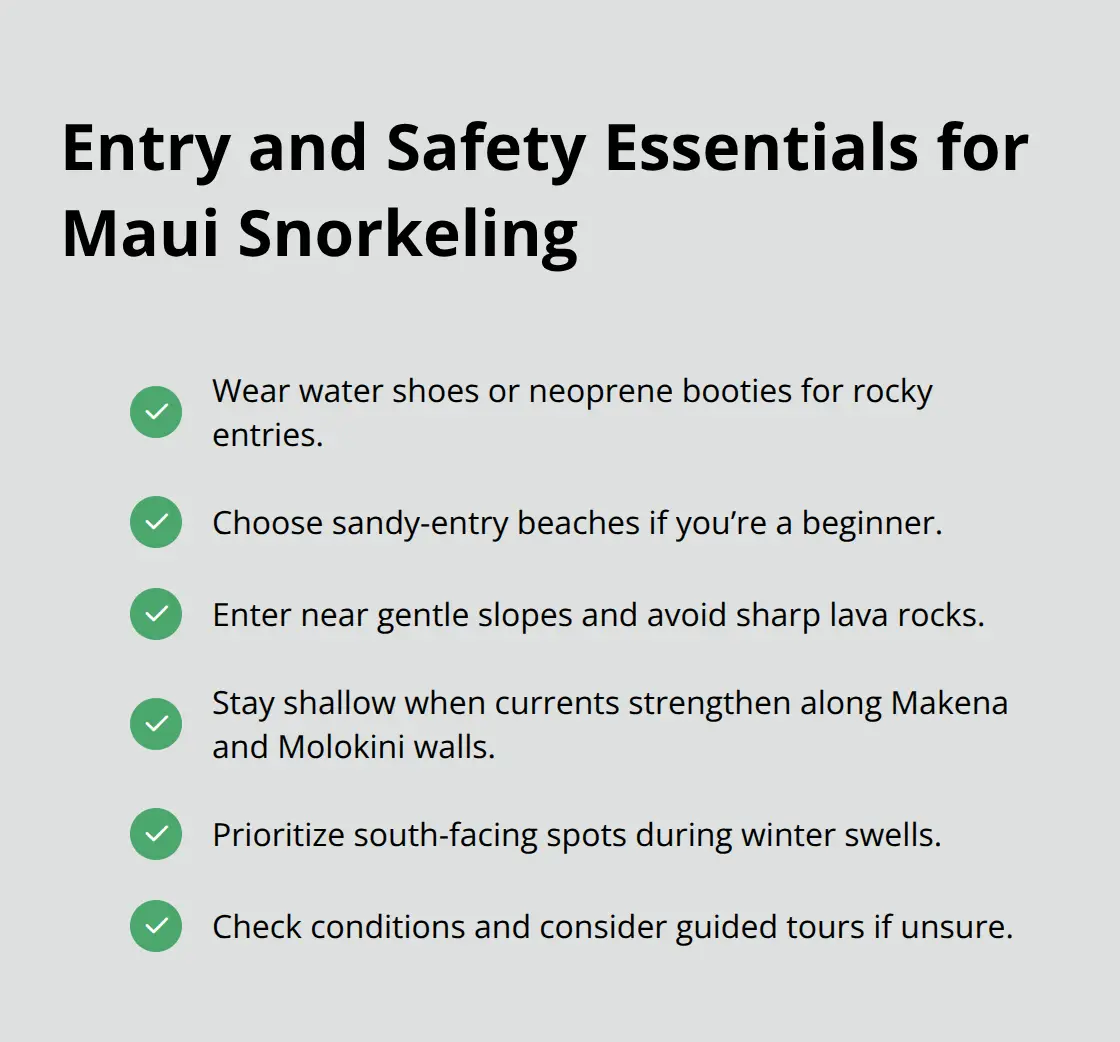
Kapalua Bay’s left side provides the gentlest slope, while Ulua Beach in Wailea demands careful navigation across lava rocks but rewards you with immediate reef access. Currents run strongest along Makena’s southern coast and near Molokini Crater’s crater wall; intermediate swimmers should stay in shallow zones or book guided tours, which include professional guidance on entry points and current avoidance. Winter conditions bring stronger swells, particularly on north and west-facing beaches, making south-facing spots like Makena Landing your only viable option on rough days.
Water Time and Preparation
Plan 30–90 minutes of actual water time, as entry preparation and post-snorkel rinsing consume additional time. You should wear protective footwear at rocky entry points to prevent injury from sharp coral and thorns. Try to arrive early at popular beaches to secure parking and benefit from the calmest conditions. The combination of proper gear, careful entry technique, and awareness of current patterns determines whether your snorkeling session delivers the underwater encounters you seek or leaves you frustrated by avoidable mistakes. Understanding these physical realities prepares you to select the right spot and approach for your skill level, setting the stage for exploring how to choose between independent exploration and guided experiences that match your comfort and goals.
When to Go and What to Bring
Seasonal Conditions and Daily Planning
Maui’s snorkeling season runs year-round, but conditions split dramatically between summer and winter. Summer months from May through September deliver calmer seas, lighter winds, and visibility consistently reaching 50–80 feet across most south Maui reefs. Winter from November through March brings larger swells, stronger wind patterns by afternoon, and reduced visibility along exposed northern shores, though south-facing spots like Makena Landing remain viable. Your visit timing should prioritize weather windows rather than calendar dates. Check the daily Maui Snorkel Report each morning to identify which coast offers the best conditions that specific day, then adjust your location accordingly. This flexibility beats planning a trip to Honolua Bay weeks in advance only to arrive during winter swells that make entry dangerous.
Essential Gear for Rocky Entries and Extended Sessions
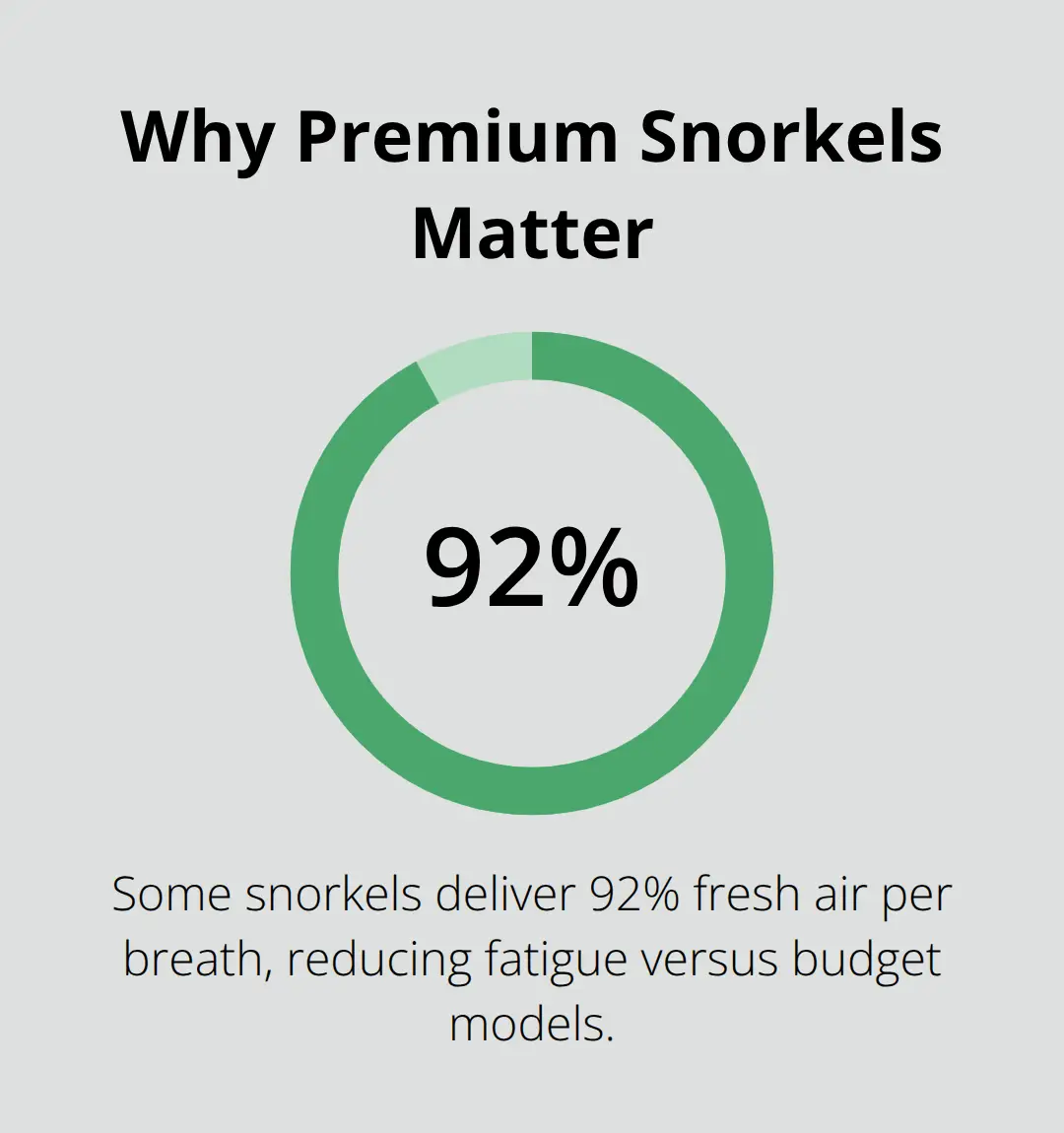
Gear selection directly impacts your comfort and safety in Maui’s waters. You must invest in water shoes or neoprene booties since rocky entries dominate the best snorkeling spots, and kiawe thorns cause deep lacerations that turn a perfect morning into an emergency room visit. A rash guard or lightweight wetsuit protects against sun exposure during extended water sessions and provides thermal protection in deeper areas where temperatures drop noticeably. Prescription snorkel masks eliminate the frustration of blurred underwater vision, and rental shops stock these options. No Fog Goop prevents lens fogging during early-morning sessions when water temperatures differ from air temperature. High-quality fins like Moflex deliver efficient propulsion without foot cramps during 45–90 minute sessions, while snorkels offering 92% fresh air per breath reduce fatigue significantly compared to budget models.
Guided Tours Versus Independent Exploration
Guided boat tours cost $99–$500+ per person but provide instruction for first-time snorkelers, professional crew who navigate currents safely, and access to deeper sites like Molokini Crater that demand boat transportation. Small-group operators like Maui Snorkel Charters deliver fast 15-minute runs from Kihei, included gear, Hawaiian breakfast, and guided encounters aboard their custom vessel, making tours suitable for families and beginners. However, shore snorkeling at free locations like Turtle Town, Honolua Bay, or Mala Ramp in Lahaina delivers comparable fish diversity and turtle encounters without the scheduling constraints or expense, provided you arrive by 7:30–9:00 am before wind and crowds degrade conditions.
Independent Snorkeling for Experienced Swimmers
Independent exploration offers complete freedom to stay longer at productive areas, relocate instantly if conditions disappoint, and avoid the fixed itineraries that limit water time on large group tours. Intermediate swimmers comfortable with rocky entries and basic current awareness should skip boat tours entirely and use the daily Maui Snorkel Report to select shore locations, saving $100–$400 per person. Reserve gear in advance through rental shops rather than purchasing budget equipment that fails mid-trip, and interisland gear exchange options simplify multi-island itineraries. The most practical approach combines independent shore snorkeling at 2–3 different locations during your visit with a single guided boat tour only if manta rays or deep-water species justify the cost and time investment for your specific goals.
Final Thoughts
Maui’s snorkeling destinations deliver world-class underwater experiences without expensive boat tours or extensive planning. Turtle Town, Honolua Bay, and shore-accessible reefs like Mala Ramp provide consistent encounters with sea turtles, reef fish, and healthy coral formations that rival Molokini Crater’s reputation at zero cost. The key to maximizing your snorkeling Hawaii Maui adventure lies in three actionable steps: check the daily conditions report before 8:30 am to identify which coast offers optimal conditions that day, arrive at your chosen beach by 7:30–9:00 am to secure parking and benefit from calm water, and invest in proper gear including water shoes, a rash guard, and quality fins rather than settling for budget equipment that compromises comfort during extended sessions.
Your experience succeeds when you match your skill level to appropriate locations. Beginners and families should prioritize Kapalua Bay, Turtle Town, or Napili Bay where sandy entries and shallow reefs eliminate dangerous current exposure, while intermediate swimmers comfortable with rocky entries gain access to Honolua Bay’s pristine sanctuary and Olowalu’s ancient 450-acre reef system where parrotfish, eagle rays, and hawksbill turtles reward early morning visits. Only experienced swimmers should attempt Five Caves near Makena or venture to Molokini Crater’s deeper zones without professional guidance.
Independent snorkelers should reserve rental gear online through established shops to streamline preparation and secure prescription masks if needed. First-time visitors or those seeking manta ray encounters should book a guided boat tour through reputable operators, which offer affordable pricing and convenient departure times from Kihei. The most effective approach combines two to three independent shore sessions using the daily conditions report with a single optional boat tour only if deep-water species justify the investment.