
Green sea turtles glide through Turtle Town’s shallow reefs year-round, and we at Maui Snorkel Charters know exactly where to find them. These gentle creatures feed in these protected waters almost daily, giving you genuine chances for close-up encounters.
This guide shows you how to maximize every moment with these incredible animals while respecting their space and following conservation guidelines.
What Makes Turtle Town Special for Green Sea Turtle Encounters
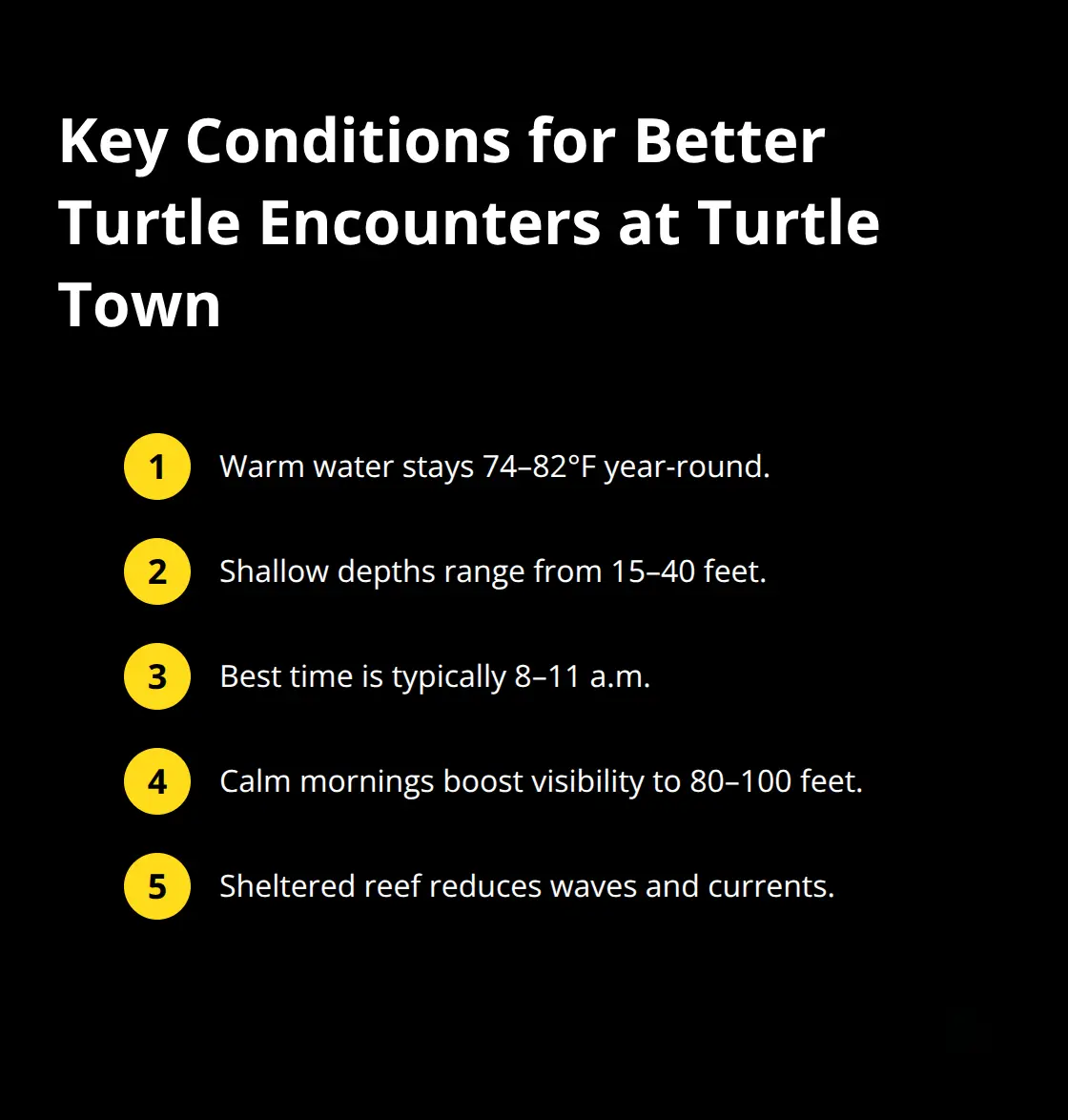
Turtle Town stays warm enough for green sea turtles throughout the year because South Maui’s waters maintain temperatures between 74 and 82 degrees Fahrenheit. The National Oceanic and Atmospheric Administration tracks these patterns, and the consistency means turtles have no reason to migrate seasonally like humpback whales do. This year-round presence isn’t luck-it’s biology.
The reef structure creates natural protection from strong currents and waves, allowing turtles to conserve energy while they feed. The shallow waters, typically 15 to 40 feet deep, mean you’ll see turtles in their natural behavior rather than distant silhouettes. Morning trips between 8 and 11 a.m. tend to show the highest turtle activity because the water is calmest and visibility reaches 80 to 100 feet.
The Seagrass Buffet That Keeps Turtles Coming Back
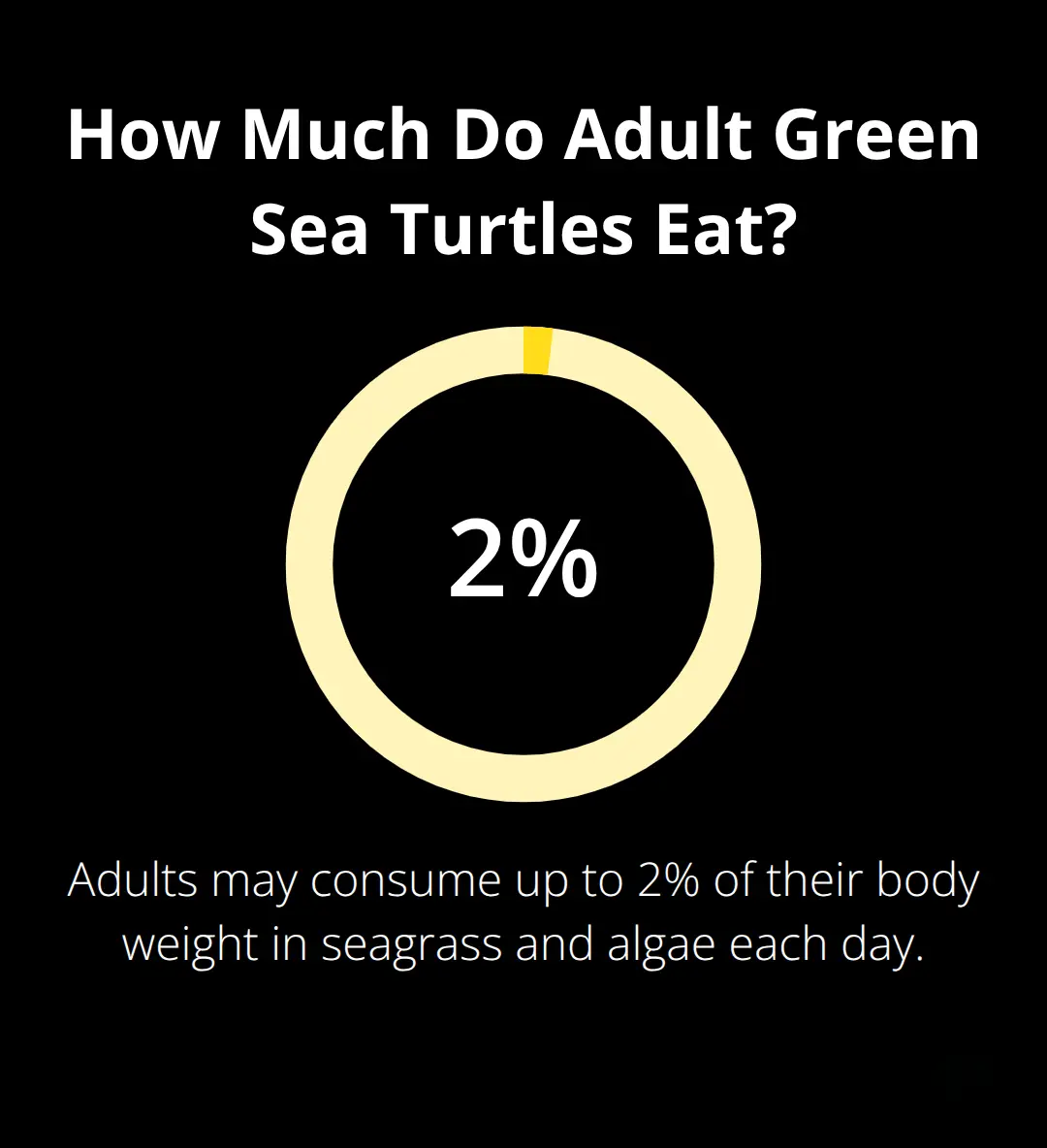
Green sea turtles are primarily herbivorous as adults, and Turtle Town’s seagrass beds provide an all-you-can-eat restaurant. These turtles consume up to 2 percent of their body weight daily in vegetation, which means a 300-pound turtle needs roughly 6 pounds of food per day. The reef’s natural feeding grounds attract multiple turtles simultaneously because the seagrass regenerates quickly in these protected waters.
You’ll observe turtles at specific feeding spots, often returning to the same areas day after day. This predictability makes close encounters possible-turtles aren’t randomly wandering; they work established feeding routes. The animals position themselves strategically to maximize their intake with minimal effort.
Understanding Turtle Town’s Protected Reef System
The reef structure at Turtle Town differs significantly from offshore reefs because it’s shallower and more sheltered from ocean swells. This protection reduces the physical stress on turtles and creates stable conditions for the seagrass ecosystem. The sandy bottom interspersed with reef patches creates ideal habitat-turtles move easily between feeding areas without expending excessive energy on rocky terrain.
Water clarity in these shallow zones typically exceeds 60 feet even on average visibility days, giving you genuine opportunities for close observation without disturbing the animals. Small-group tours with a maximum of 20 people keep the reef from becoming crowded, which preserves the natural behavior you came to witness. This combination of ideal conditions and thoughtful tour management sets the stage for what you’ll actually experience during your visit.
How to Time Your Visit and Snorkel Smart
Morning Hours Deliver Superior Turtle Encounters
Morning departures between 8 and 11 a.m. offer the calmest water conditions and the highest turtle activity rates because turtles feed most actively when visibility exceeds 80 to 100 feet. Afternoon trips after 1 p.m. bring stronger winds and reduced visibility, cutting your chances of close encounters significantly. Water temperature remains stable year-round between 74 and 82 degrees Fahrenheit, so seasonal timing matters far less than time-of-day timing. The seagrass beds where turtles feed become most accessible when wave action is minimal, which happens in the early hours before afternoon swells build.
Position Your Body Correctly in the Water
Proper snorkeling technique makes the difference between watching turtles from six feet away versus twenty feet away. Stay horizontal in the water rather than vertical-turtles perceive vertical movement as threatening, while horizontal positioning keeps you aligned with their natural sightline. Approach slowly and allow turtles to move toward you rather than pursuing them; these animals are protected under the Endangered Species Act, and Hawaii Department of Land and Natural Resources guidelines specify a minimum ten-foot distance.
Master Your Fin Movements and Breathing
Move your fins deliberately and avoid sudden direction changes that startle the animals. Silence matters more than most snorkelers realize; turtles sense vibrations through water, and constant chatter near the surface creates disturbance that alters their behavior patterns. Never touch seagrass where turtles feed or stand on the reef bottom-your weight damages the habitat that sustains these creatures daily.
What Happens When You Respect These Guidelines
When you follow these techniques, turtles remain calm and continue their natural feeding patterns instead of fleeing to deeper water. The animals tolerate your presence because you’ve positioned yourself as an observer rather than a threat. This respectful approach (combined with early morning timing and proper body positioning) transforms your experience from a distant glimpse into genuine connection with these remarkable creatures, setting the stage for what you’ll actually encounter during your guided tour.
What to Expect During a Guided Turtle Town Tour
The Journey to Turtle Town
The boat ride to Turtle Town takes approximately 15 minutes from Kihei, covering roughly 2 miles of South Maui coastline. This transit time allows your guide to brief you on what you’ll observe, how to position yourself in the water, and the specific marine life you’re likely to encounter beyond the green sea turtles. Water conditions during the ride provide real-time information about visibility and turtle activity-calm seas mean turtles will be actively feeding in shallow water, while choppy conditions may push them deeper. Once you arrive at Turtle Town, you’ll spend approximately 60 to 90 minutes in the water across multiple snorkeling sessions, with surface intervals for rest and observation.
Marine Life Beyond the Turtles
The reef hosts far more than turtles: you’ll see yellow tangs, moorish idols, and parrotfish in abundance because the seagrass ecosystem supports an entire food web. Reef fish populations here are remarkably dense compared to offshore snorkel sites-the shallow, protected waters concentrate marine life in viewing range. Octopuses occasionally appear in crevices, though they’re more common during early morning hours when light levels remain low. Spotted eagle rays cruise the sandy areas between reef patches, and if you’re visiting between January and March, humpback whales sometimes travel through these waters (though they rarely venture into the shallow Turtle Town area itself).
Capturing Your Turtle Town Experience
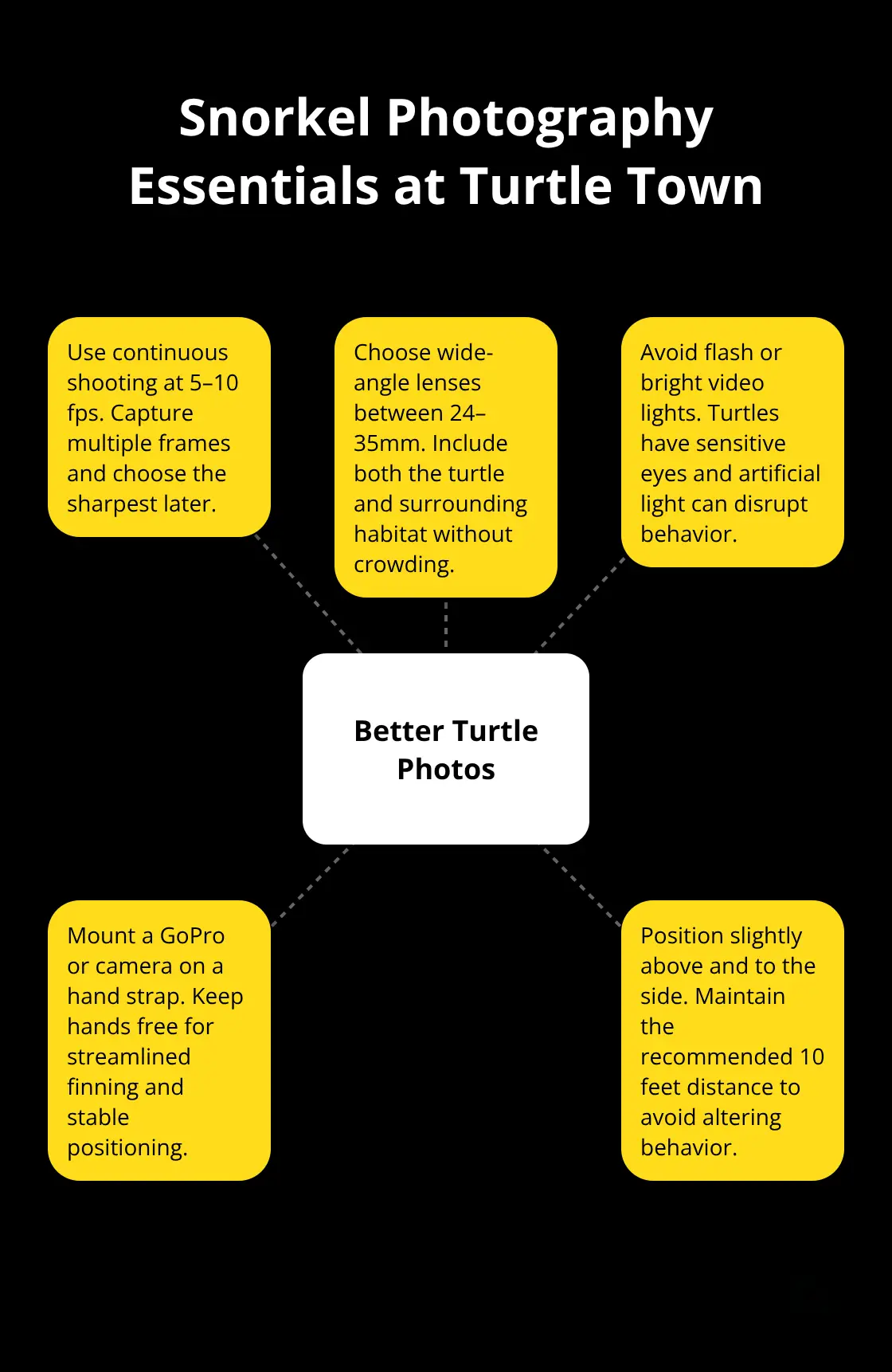
Green sea turtles move slowly and predictably, which actually works in your favor-you’ll have multiple opportunities to capture sharp images without chasing the animals. Use a waterproof camera or GoPro mounted on a hand strap rather than holding it constantly, which keeps your hands free for proper fin positioning and reduces the risk of sudden movements that startle turtles. Set your camera to continuous shooting mode at 5 to 10 frames per second, then review footage later to select the best shots rather than frantically adjusting settings underwater.
Camera Settings and Lens Selection
Wide-angle lenses between 24mm and 35mm work best in the shallow water because they capture both the turtle and its surrounding habitat without requiring you to get uncomfortably close. Avoid flash or bright video lights-turtles have sensitive eyes, and artificial light disrupts their behavior patterns and can cause them to flee the feeding area. Morning light between 8 and 10 a.m. delivers natural illumination that makes your photos crisp without requiring equipment adjustments (this timing advantage is one reason morning tours produce superior results).
Positioning for Better Photos
Position yourself slightly above and to the side of feeding turtles rather than directly above them, which gives you clearer shots of their shells and heads while maintaining the 10 feet recommended by Hawaiian Department of Land and Natural Resources guidelines. This angle also keeps you aligned with the turtle’s natural sightline, reducing the chance that your presence alters their feeding behavior.
Final Thoughts
Turtle Town reef encounters stay with you long after you leave the water because you observe green sea turtles in their actual habitat, feeding and moving through their daily routines while you float nearby. These moments create genuine memories since they represent real interactions with wild animals, not staged experiences. The educational impact matters too-seeing a 300-pound turtle consume seagrass and understanding how these animals depend on protected reef systems changes how you think about ocean conservation.
You don’t need advanced snorkeling skills or years of experience to participate in Turtle Town reef encounters. The shallow depths between 15 and 40 feet keep beginners comfortable while experienced snorkelers still find plenty to observe, and children as young as five can join guided tours with the calm morning conditions we at Maui Snorkel Charters prioritize. Small-group tours with a maximum of 20 people preserve the natural behavior you came to witness without crowding the reef.
We offer tours that include gear, Hawaiian coffee and banana bread breakfast, snacks, and free photos aboard our custom 40-foot boat, starting at $99 per person. Book your Turtle Town tour with Maui Snorkel Charters to experience these gentle creatures in their natural habitat.
Call 808-270-8776