
Every winter, humpback whales migrate thousands of miles to Maui’s warm waters, creating one of the most spectacular natural events on Earth. Between January and March, these magnificent creatures fill our channels and bays, offering unforgettable moments for anyone seeking an authentic ocean adventure.
At Maui Snorkel Charters, we’ve guided thousands of guests through whale watching excursions in Maui, and we know exactly what makes these experiences truly memorable. This guide covers everything you need to plan the perfect whale watching trip, from the best viewing spots to what to pack.
Best Time to See Humpback Whales in Maui
Peak Season Runs from January to March
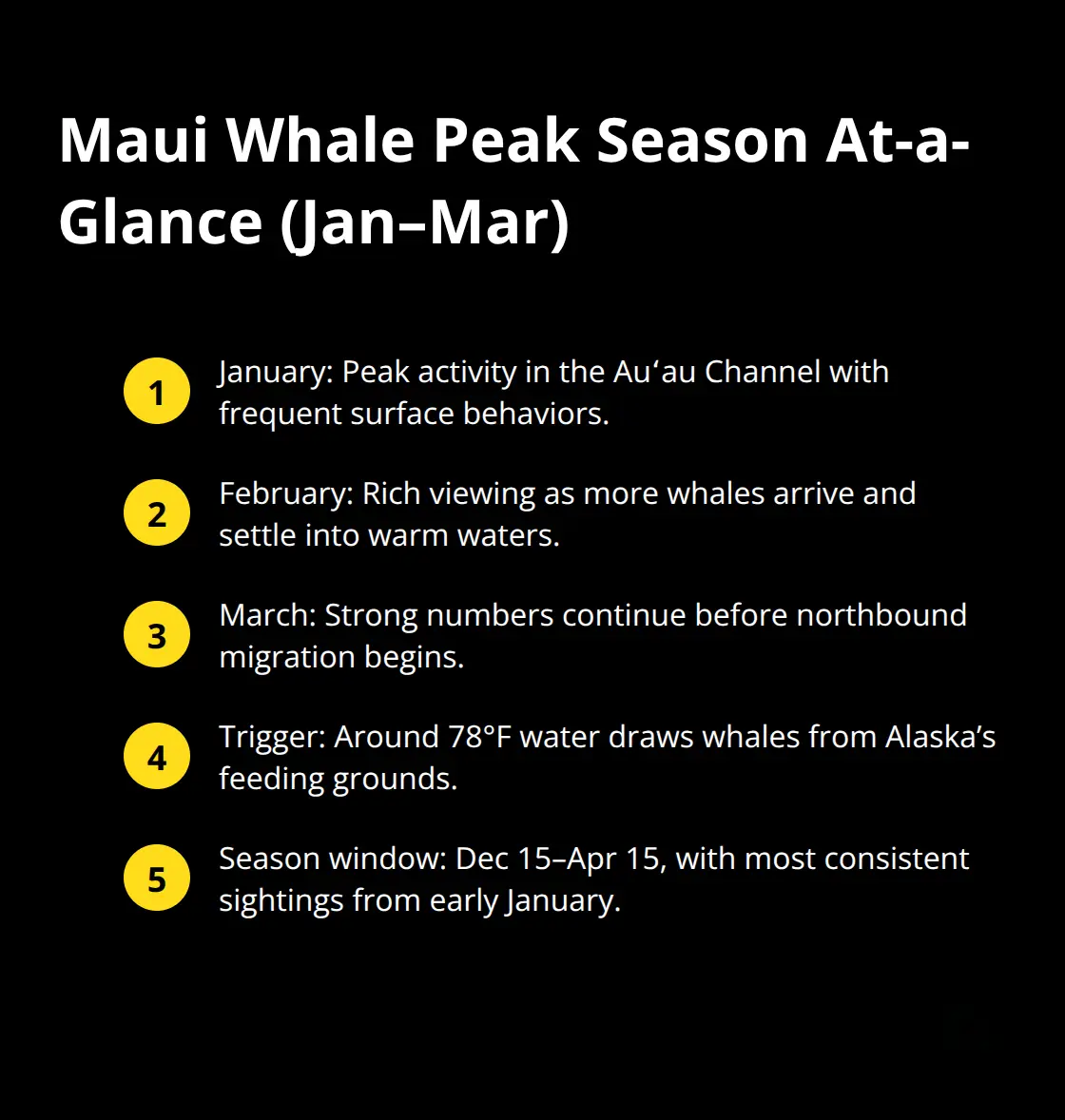
January through March stands as the absolute prime window for whale watching in Maui, and if you plan a trip during these months, you time it perfectly. More than 12,000 humpback whales visit Hawaiian waters during the winter breeding season, and the Maui Nui Basin concentrates the highest populations during winter. January typically sees peak activity, with whales actively moving through the Auʻau Channel between Maui and Lanai. Water temperatures around 78 degrees Fahrenheit trigger these migrations from Alaska, where humpbacks spend summer feeding. February and March deliver equally strong opportunities-February often produces some of the richest viewing as more whales arrive and settle into warmer waters. The official whale season runs December 15 through April 15, though most operators confirm consistent sightings from early January onward.
Water Temperature and Migration Patterns
The temperature shift in Hawaiian waters acts as nature’s signal for humpback migration. When Alaskan feeding grounds cool and food sources diminish, whales respond to warmer waters (around 78 degrees) that support breeding and calf rearing. This predictable pattern means January arrivals peak just as water conditions reach optimal levels. February continues this trend with additional whales joining the migration, creating the densest populations of the season. March maintains strong numbers as whales remain in Hawaiian waters before the return journey begins in April. Early December sometimes brings advance arrivals, but the probability of sightings jumps significantly once January arrives. Lahaina departures typically experience calmer seas during these peak months, making spotting easier and photography clearer.
What to Expect During Peak Whale Season
Surface behaviors intensify during January and March as whales interact with their environment and each other. Tail throws, pec slaps, and spyhopping occur regularly as whales survey their surroundings and communicate. March brings something extra special-mother-and-calf pairs breach and large male pods compete for breeding opportunities. Smaller vessels position every passenger within feet of these creatures when they approach the boat, an experience operators call a mugging. These intimate encounters happen most frequently during peak season when whale populations concentrate in the Auʻau Channel. April marks the beginning of migration back to Alaska, so timing matters if you want the peak experience. The combination of high whale numbers, active surface behaviors, and calm seas makes January through March the window when whale watching in Maui truly shines-and when you should plan your ocean adventure to witness these magnificent creatures in their winter home.
What to Bring and Prepare for Your Whale Watching Tour
Dress Smart for Changing Ocean Conditions
Layering proves essential on Maui whale watching tours because ocean conditions shift faster than you’d expect. Wind off the water can drop temperatures dramatically even on sunny days, and spray from the boat reaches you regardless of which seat you occupy. Start with a moisture-wicking base layer, add a lightweight long-sleeve UV shirt for sun protection, and bring a windproof jacket or hoodie you can remove if conditions warm up. Reef-safe sunscreen with non-nano zinc oxide or titanium dioxide matters more than most people realize, since oxybenzone harms coral ecosystems around Maui and you’re applying it directly over sensitive marine habitats. Apply sunscreen 15 minutes before boarding and reapply every two hours, even on cloudy days when UV rays penetrate effectively. Polarized sunglasses reduce ocean glare significantly better than regular lenses and help you spot whale activity before the captain announces it. A brimmed hat with a chin strap keeps sun off your face and won’t blow overboard in the consistent breeze. Footwear depends on your boat operator’s policies, but most allow tennis shoes or sandals that can handle saltwater exposure. Avoid bringing valuables that can’t survive saltwater, and use a waterproof dry bag for keys and phones. If you’re serious about photography, pack a waterproof camera case or GoPro mount, though expect some spray regardless of your precautions.
Prevent Motion Sickness Before Departure
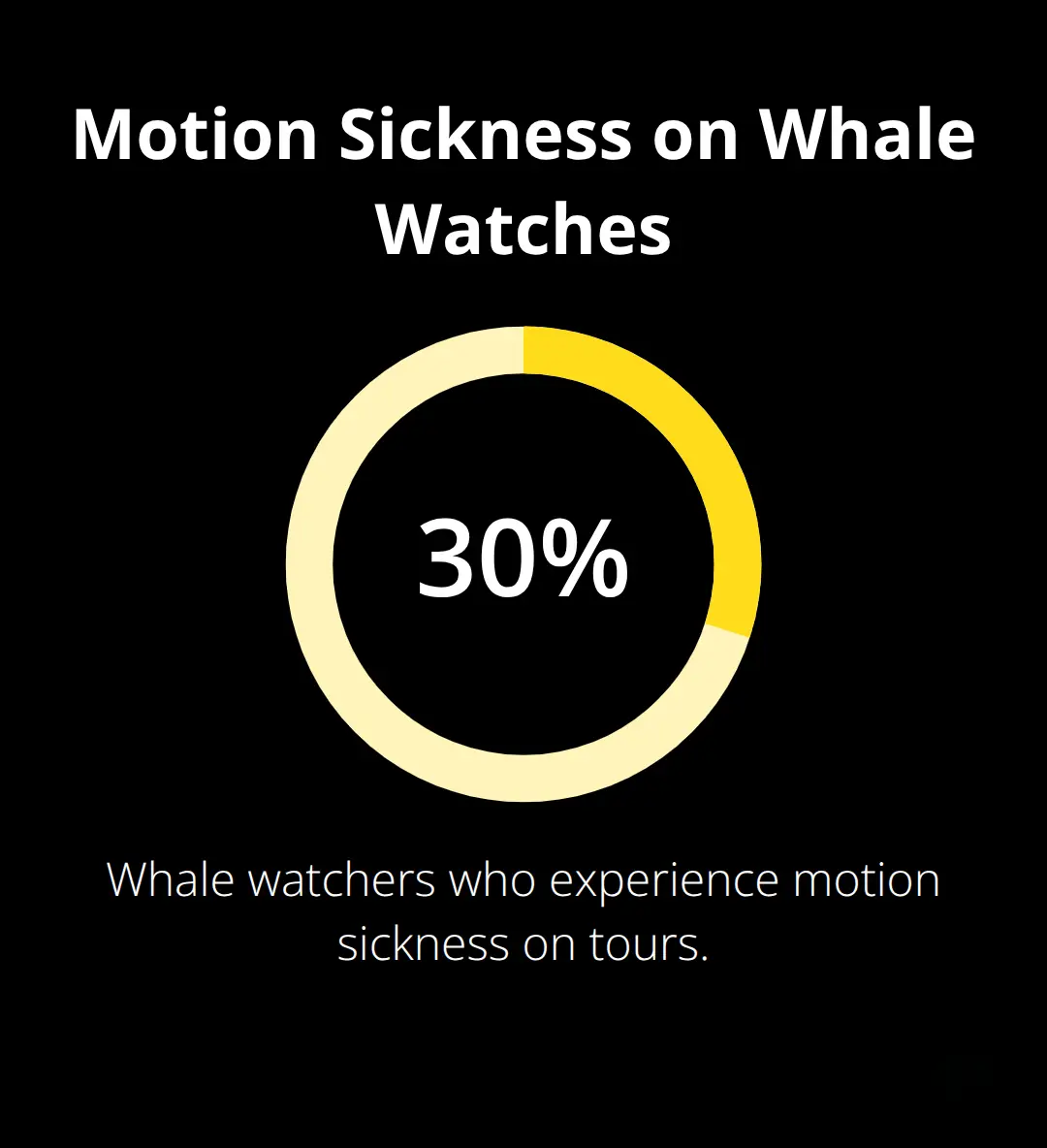
Motion sickness affects roughly 30 percent of whale watchers, and prevention methods work far better than treating symptoms after nausea starts. Ginger supplements taken 30 minutes before departure reduce nausea effectively for many people, though results vary by individual.
Dramamine or similar antihistamines work better if taken an hour before boarding rather than waiting until you feel queasy. Eat a light meal with complex carbohydrates and protein to stabilize your stomach better than arriving hungry or consuming heavy foods. Position yourself amidships on larger boats where motion feels least intense, and avoid staring at the horizon or focusing on nearby wave patterns. On smaller rafts, the lower center of gravity actually reduces motion sickness compared to elevated seating on larger catamarans. Focus on distant land features or whale activity rather than watching waves directly below you. Fresh air helps considerably, so stay topside rather than retreating to enclosed cabins where motion sickness intensifies.
Capture Whale Moments Responsibly
Waterproof phone cases cost between $15 and $40 and protect your device while allowing full camera functionality, making them smarter investments than expensive underwater cameras for most travelers. Polarized lenses on your sunglasses actually interfere with digital camera sensors, so remove them when photographing and use a standard camera app instead. The low-to-the-water raft design positions you at eye level with whales, creating photography angles that elevated boat seating cannot match. Water spray hits your lens constantly, so bring a microfiber cloth and wipe between shots rather than fighting blur in post-processing. Whale behavior intensifies during peak season, with tail throws and breaching occurring frequently enough that you’ll capture compelling images without needing advanced photography skills. Keep your camera settings on burst mode during active whale behavior to increase your odds of capturing the exact moment a whale surfaces or breaches. Federal regulations require maintaining at least 100 yards from whales, so zoom becomes your best tool rather than moving closer physically.
With the right preparation and gear in place, you’re ready to experience whale watching at its finest. The next step involves understanding where these magnificent creatures congregate and which tour styles match your preferences and comfort level.
Where Whales Congregate and Which Boat Style Fits You Best
Geography Creates Predictable Whale Locations
The Auʻau Channel between Maui and Lanai funnels thousands of humpback whales through a relatively narrow corridor, concentrating them in predictable locations that tour operators know intimately. South Maui waters host humpbacks as they migrate through deeper channels, and this geography creates genuine advantages for sighting frequency and encounter quality. The Maui Nui Basin, designated as a federally protected humpback whale sanctuary by NOAA in 1992, concentrates whale activity in specific zones where water depth and temperature patterns support breeding and calf-rearing behaviors. West Maui channels running between the islands offer similar advantages, with Lahaina departures typically experiencing calmer seas during peak season compared to rougher Maalaea conditions. January through March brings consistent sightings because whales actively move through these channels multiple times daily, meaning your timing within the season matters less than which departure location you choose.
Departure Location Affects Your Experience Quality
Operators launching from Lahaina report more stable water conditions than those launching from windier eastern locations, directly translating to clearer whale views and better photography opportunities. Calmer seas mean less spray on your camera lens and steadier positioning for spotting whale behaviors. The protected waters near Lahaina also reduce motion sickness risk, particularly important if you take medication or prefer minimal stomach discomfort during your tour. Maalaea departures access different whale corridors but encounter choppier conditions that can obscure sightings and make photography challenging. Your choice of departure point influences not just comfort but actual whale-viewing success, making location selection as important as choosing your vessel type.
Vessel Size Determines Intimacy Versus Comfort
Larger catamarans carrying 100+ passengers offer stability, bathrooms, snacks, and shade but position you 15-20 feet above waterline, creating distance that diminishes the intimacy of whale encounters. Smaller boats position you at eye level with whales, turning surface behaviors into moments where you see a whale’s eye or feel spray from its blowhole. These low-to-water rafts cost more per person but deliver unmatched proximity, with mugging encounters (when whales approach boats on their own terms) happening regularly during peak season. Mid-size boats around 40 feet represent the practical middle ground, offering reasonable stability, manageable passenger loads under 25 people, and deck positioning that keeps you closer to whale activity than massive catamarans. Zodiac-style boats maneuver into shallow water and reef areas where larger vessels cannot reach, accessing locations with concentrated dolphin activity and calmer conditions during rougher sea days.
Price Reflects Passenger Density, Not Quality
Smaller vessels cost between $50-$150 per person while large catamarans run $200-$300, but the price difference reflects passenger density rather than quality. A 50-foot raft with 25 passengers spreads the cost across fewer people than a 100-passenger catamaran, yet both deliver excellent whale watching. If you prioritize being close enough to photograph whale detail and hear hydrophone recordings of whale songs clearly, smaller vessels prove worth the premium price. If you prioritize comfort amenities and minimal motion sickness risk, larger boats justify their cost despite reduced intimacy. Your budget and preferences should guide this choice rather than assuming expensive automatically means better.
Match Your Priorities to the Right Vessel
Consider what matters most to your whale watching experience before booking. Photographers and wildlife enthusiasts typically prefer smaller vessels that position them at eye level with whales, allowing detailed shots and intimate observations. Families with young children or passengers prone to motion sickness benefit from larger, more stable catamarans with onboard bathrooms and food service. Travelers seeking a balance between proximity and comfort find mid-size boats offer the best value and experience. Zodiac-style rafts appeal to adventurous visitors who want the closest possible encounters and don’t mind getting wet.
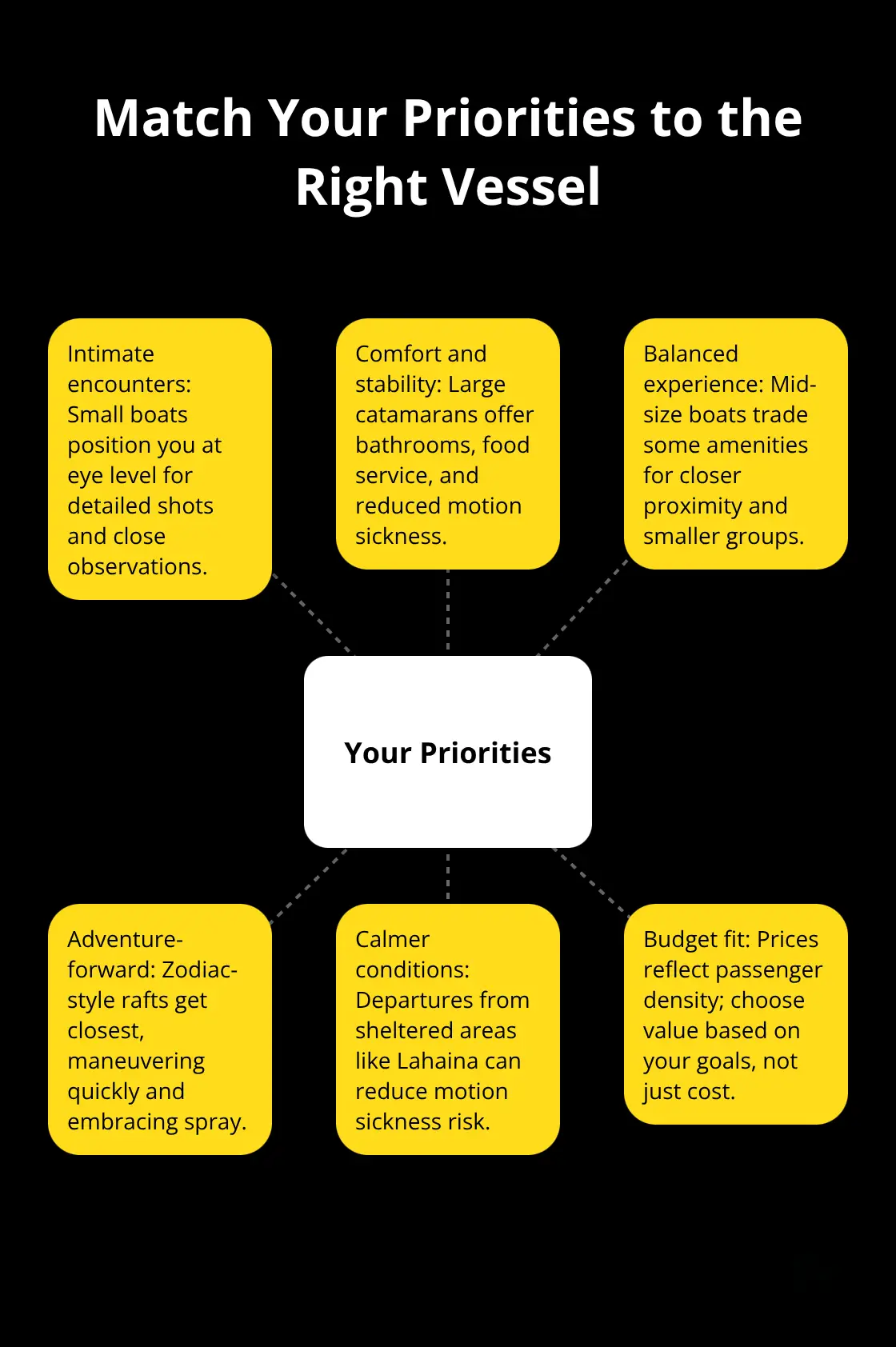
Your vessel choice ultimately determines whether you leave Maui with distant whale memories or close-up moments that stay with you for years.
Final Thoughts
Maui stands apart as a whale watching destination because geography, timing, and marine sanctuary protections converge to create reliable, intimate encounters with humpback whales during winter months. The Auʻau Channel funnels thousands of whales through predictable corridors, and the federally protected Maui Nui Basin concentrates these magnificent creatures in waters where tour operators know exactly where to position boats for optimal sightings. January through March delivers peak activity when surface behaviors intensify and mother-calf pairs breach regularly, giving you genuine chances at the unforgettable moments that make whale watching excursions in Maui worth planning around.
Your perfect whale watching adventure starts with honest assessment of what matters most to you. If intimate proximity and detailed photography drive your decision, smaller vessels positioned at eye level with whales deliver unmatched experiences despite higher per-person costs. If comfort and stability matter more, larger catamarans provide bathrooms, food service, and motion sickness reduction that smaller boats cannot match.
We at Maui Snorkel Charters offer Pacific Humpback Whale watches during winter season, combining our expertise in small-group ocean adventures with the intimate vessel experience that transforms whale watching from distant observation into genuine connection. Our custom 40-foot boat keeps passenger loads manageable, positioning you close enough to hear whale songs through our onboard hydrophone and witness behaviors that larger tour operators simply cannot deliver. Book your whale watching experience with us and experience why thousands of travelers choose Maui for their winter ocean adventure.
Call 808-270-8776