
Every winter, humpback whales migrate thousands of miles to Hawaiian waters, and whale watching in Hawaii on Maui becomes one of the most magical experiences you can have. Between January and March, these gentle giants arrive in massive numbers, creating unforgettable moments for visitors.
At Maui Snorkel Charters, we’ve watched countless travelers light up when they spot their first whale breach. This guide walks you through everything you need to know to make your whale watching adventure truly special.
When to Plan Your Maui Whale Watching Trip
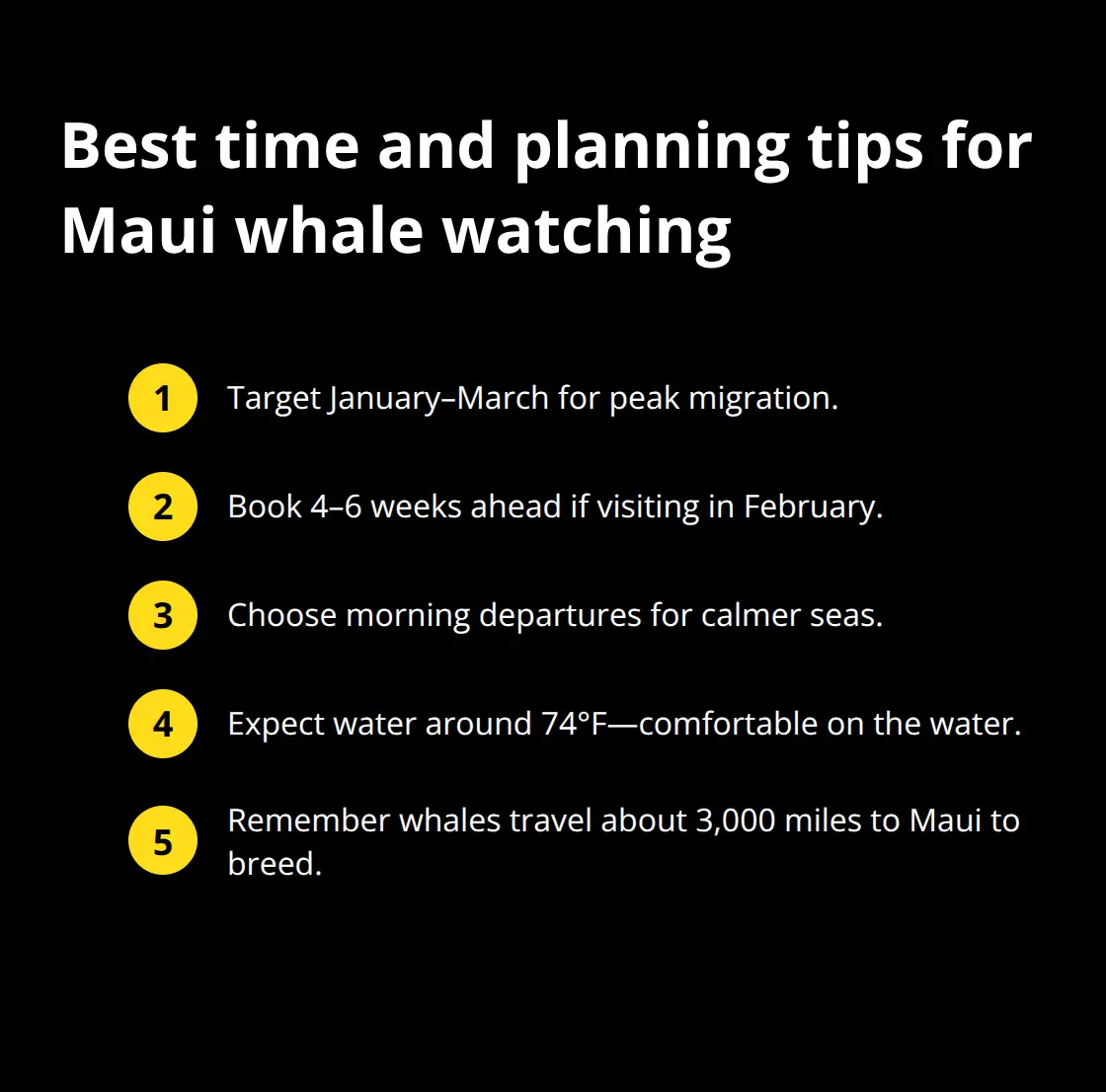
Humpback whales arrive in Hawaiian waters with clockwork precision between January and March, and this three-month window is absolutely the time to book your trip if seeing these creatures matters to you. The peak occurs in February, when whale populations reach their highest numbers-roughly 10,000 humpback whales inhabit Hawaiian waters during this season. Water temperatures hover around 74 degrees Fahrenheit, which is cool enough to keep the whales comfortable but warm enough for visitors to enjoy being on the water without excessive layering. The whales travel over 3,000 miles from Alaska’s feeding grounds to breed and give birth in Maui’s protected channels, making the January-to-March window non-negotiable for serious whale watchers. Once April arrives and the whales begin their northbound migration, humpback sightings drop dramatically.
Secure Your Spot Early
Tour operators fill up fast during peak season, and waiting until your vacation week arrives guarantees limited availability and inflated prices. You should book your whale watching tour at least two to three weeks in advance, though four to six weeks is even better if you travel in February. Early booking gives you flexibility to choose specific dates when weather conditions look optimal-morning tours typically offer calmer seas than afternoon departures, which matters when you’re trying to spot whale breaches and tail flukes.
Choose Operators Who Know Local Waters
Operators who understand the daily conditions can adjust routes based on real-time whale activity and sightings reported by other boats on the water. Small-group experiences (typically under 20 passengers) offer advantages that larger commercial vessels simply cannot match. Larger commercial vessels stick to fixed routes regardless of conditions, which means your odds of close encounters drop significantly when you book with operators lacking local knowledge and adaptability.
The difference between a memorable encounter and a distant sighting often comes down to the operator’s ability to respond to what’s actually happening on the water that day. Smaller, flexible tour companies position themselves to take advantage of whale activity as it unfolds, rather than following predetermined paths. This responsiveness transforms your experience from a standard tour into something genuinely special.
What happens next on your actual tour matters just as much as when and where you book it.
What Happens During Your Whale Watching Tour
The moment you step aboard, you’ll notice the boat positions itself differently than a standard snorkel vessel would. Whale watching boats move slowly and deliberately, typically at 5-7 knots, because speed ruins the experience. Humpback whales detect boat noise from miles away, and operators who understand this adjust their approach accordingly. You’ll spend the first 20-30 minutes scanning the water for telltale signs: a distant spray of water from a blowhole, a sudden disturbance on the surface, or the unmistakable silhouette of a dorsal fin breaking through. When whales appear, the boat cuts its engines and drifts. Federal regulations require all vessels to maintain at least 100 yards distance from whales, and this isn’t a suggestion-violation carries fines up to $20,000 according to NOAA enforcement guidelines. The 100-yard rule exists because whales under stress abandon breeding and nursing behaviors, which directly impacts the species’ survival in Hawaiian waters. What makes small-group tours superior isn’t just comfort; it’s responsiveness. A boat carrying 6-12 people repositions faster and communicates better internally than a 100-passenger vessel locked into scheduled routes.
Spotting Whale Behavior Up Close
Once whales appear, you’ll see specific behaviors that tell you what’s happening. Breaches, where whales launch their entire 40-ton bodies out of the water, occur when males compete for females or when calves play-these moments last only 2-3 seconds but create the most dramatic sightings. Tail flukes slap the water to indicate social interaction or communication between pods. Spy hopping, where a whale lifts its head vertically to observe the surface, happens frequently and gives you clear views of their faces. Fluking out, when a whale raises its tail before descending, signals a deep dive lasting 10-20 minutes. None of these behaviors are guaranteed on any single tour; humpbacks don’t perform on command. Some days you’ll witness multiple breaches; other days you’ll catch only distant spouts and tail flukes. Weather conditions matter enormously-rough seas reduce visibility and make whales less active, while calm mornings offer better sighting odds. The timing of your tour significantly influences your success rate, with mid-April and October emerging as peak seasons for whale encounters.
Understanding Safety Expectations Aboard
You’ll follow specific protocols that protect both you and the whales. Stay seated unless the captain instructs otherwise; sudden movements startle whales and can trigger dangerous defensive behaviors. Never throw anything overboard, take photos without flash near whales (though daytime photography without flash is fine), or attempt to touch water where whales are present. The boat operator controls all positioning and movement; passengers don’t direct the tour. Most importantly, understand that whales are wild animals with unpredictable behavior. A mother protecting a calf can become aggressive if she perceives threat. The captain maintains radio contact with other boats to share real-time whale locations and behavioral observations. This network of communication allows operators to direct you toward the most active pods while avoiding areas where stressed whales are retreating. Seasickness affects roughly 30% of ocean tour participants according to marine recreation studies, so consider taking medication 30-60 minutes before departure if you’re prone to motion sickness.
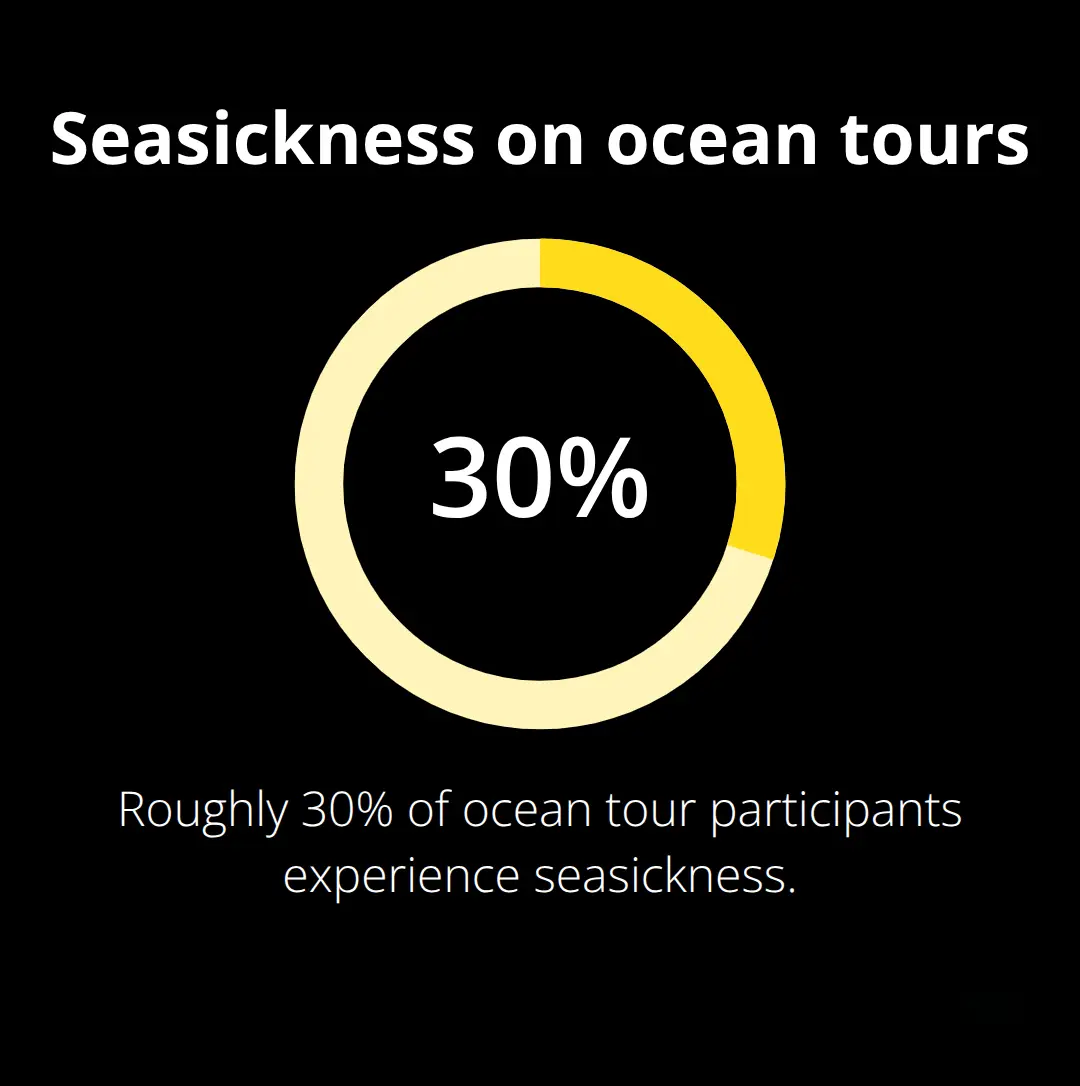
The channel waters between Maui and other islands can get choppy, particularly in afternoon hours, which is why morning departures offer calmer conditions and better whale activity.
Choosing Your Operator Matters
Small-group operators like those offering flexible routes respond to what’s actually happening on the water that day. Larger commercial vessels stick to fixed routes regardless of conditions, which means your odds of close encounters drop significantly when you book with operators lacking local knowledge and adaptability. The difference between a memorable encounter and a distant sighting often comes down to the operator’s ability to respond to real-time whale activity. Smaller, flexible tour companies position themselves to take advantage of whale behavior as it unfolds, rather than following predetermined paths. This responsiveness transforms your experience from a standard tour into something genuinely special. Your choice of operator directly impacts what you’ll actually see and experience on the water.
Choosing the Right Whale Watching Operator
Operator size fundamentally changes what you’ll experience on the water, and smaller boats outperform large commercial vessels in nearly every measurable way. When a spotter radios in whale activity 2 miles away, a small boat repositions in minutes while a large vessel remains locked into its predetermined route. The crew on smaller boats communicates in real-time about whale behavior, water conditions, and positioning strategy. You’ll hear the captain discuss what he’s seeing and why he’s making specific directional choices, which transforms a passive tour into an educational experience.
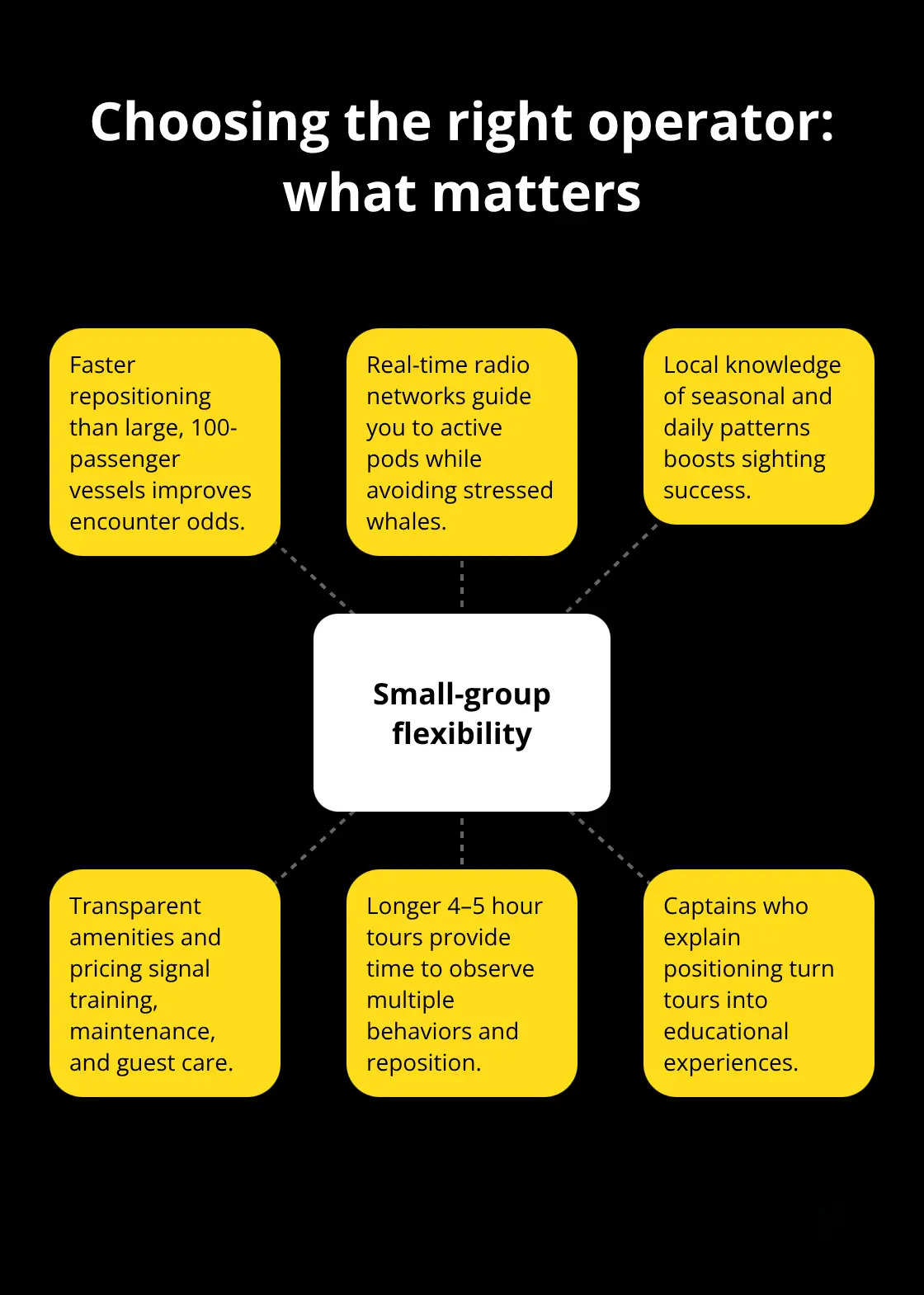
Larger operators prioritize volume and fixed schedules over responsiveness, meaning your sighting odds drop when whales appear outside their planned route or when conditions shift mid-tour. The financial incentive differs too: large operators profit from filling every available seat regardless of conditions, while smaller operators depend on word-of-mouth reputation built on actual sighting success rates. This business model alignment matters because it means the operator’s interests align with yours.
Local Knowledge Shapes Your Success Rate
Operators who work these waters year-round understand seasonal patterns that tourists cannot predict. An experienced captain knows that February mornings typically offer calmer seas and higher whale activity than afternoon departures, information that directly impacts your success rate. Real-time communication networks between operators create shared intelligence about active pods and behavioral patterns.
When your captain receives radio reports from five other boats about whale locations and aggression levels, he positions your vessel to maximize encounters while avoiding stressed whales. Operators new to Maui waters or those running tours only seasonally lack this accumulated knowledge. They follow standard routes without understanding that humpback behavior shifts based on daily water temperature, lunar cycles, and pod composition. Ask potential operators how many seasons they’ve run whale watching tours and whether they adjust routes based on real-time conditions. Operators who hesitate on these questions likely follow fixed itineraries regardless of what’s actually happening on the water.
Amenities Reveal Operator Philosophy
The extras included in your tour price indicate whether an operator prioritizes passenger comfort or simply maximizes profit. Some operators include seasickness medication recommendations, snacks, and water without charge, while others charge separately for these basics. Operators charging $250 per person with minimal amenities often cut costs on crew training and boat maintenance, which affects safety and sighting success.
Tour duration matters as well: shorter 2-hour tours rarely provide sufficient time to locate whales and observe multiple behaviors, while 4-5 hour tours give operators time to reposition and maximize encounters. Check what the price actually includes before comparing operators solely on dollars. A $149 tour with snacks, guidance, and flexible routing often delivers better value than a $99 tour requiring you to purchase food separately and following a fixed route regardless of whale activity.
Boat Size and Flexibility
Small-group tours (typically under 20 passengers) offer advantages that larger commercial vessels simply cannot match. A smaller boat repositions faster and communicates better internally than a 100-passenger vessel locked into scheduled routes. The captain maintains radio contact with other boats to share real-time whale locations and behavioral observations. This network of communication allows operators to direct you toward the most active pods while avoiding areas where stressed whales are retreating.
Larger commercial vessels stick to fixed routes regardless of conditions, which means your odds of close encounters drop significantly when you book with operators lacking local knowledge and adaptability. The difference between a memorable encounter and a distant sighting often comes down to the operator’s ability to respond to real-time whale activity. Smaller, flexible tour companies position themselves to take advantage of whale behavior as it unfolds, rather than following predetermined paths. This responsiveness transforms your experience from a standard tour into something genuinely special.
Final Thoughts
Whale watching in Hawaii on Maui delivers experiences that simply don’t happen anywhere else on Earth. The combination of predictable humpback migration patterns, protected breeding channels, and operators who understand these waters creates conditions for encounters you’ll remember for decades. February remains your best bet for sightings, with roughly 10,000 whales in Hawaiian waters during peak season, but January and March offer equally compelling opportunities with smaller crowds and better booking availability.
Your success hinges entirely on operator selection. Small-group tours outperform large commercial vessels because flexibility matters when whales appear unexpectedly or conditions shift mid-tour. Operators who adjust routes based on real-time whale activity and radio communication with other boats position you for close encounters rather than distant spouts on the horizon. The captain who explains his positioning decisions and responds to what’s actually happening on the water transforms your tour from a standard outing into genuine education about humpback behavior and marine ecology.
Book your tour four to six weeks in advance if you’re traveling in February, and prioritize operators who include amenities like snacks and guidance in their base price. Ask potential operators how many seasons they’ve worked these waters and whether they adjust daily based on whale activity-their answers reveal whether you’re booking with someone who treats whale watching as a business transaction or as a genuine commitment to your experience. We at Maui Snorkel Charters offer small-group whale watching tours during winter season with the flexibility and local knowledge that makes our snorkel charters successful year-round, so visit Maui Snorkel Charters to book your whale watching adventure.
Call 808-270-8776