
Identification reference

WHALE SEASON BEGINS DEC 15 • EARLY BOOKING OPEN
Seabirds & island wildlife
Lasiurus semotus · ʻŌpeʻapeʻa
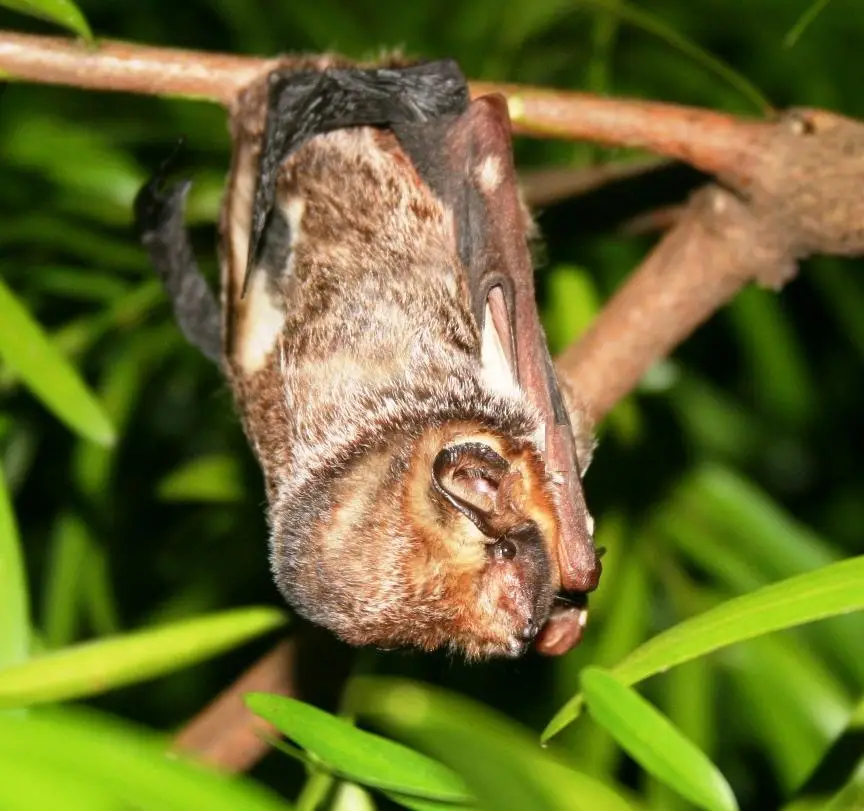
The Hawaiian hoary bat, ʻōpeʻapeʻa, is part of Maui’s land wildlife, not a marine-tour inclusion. It is an insect-eating mammal whose activity can be easily missed around dusk. Its story adds depth to an island visit without suggesting that snorkeling tours visit bat roosts.
Identification reference
Flying mammal
Lasiurus semotus
Insects
Foliage rather than a cave colony
Recent USGS work uses Lasiurus semotus, while older sources often use Lasiurus cinereus semotus. This naming history should not be confused with permission to substitute any mainland hoary-bat photograph. The page concerns the Hawaiian animal, with its source identification retained. [1]
Hawaiian hoary bats feed on insects, including moths, and use echolocation. They are not attracted to a display of tropical fruit as a visitor activity. Their pale-tipped fur accounts for the “hoary” appearance, and their wingspan can be around a foot. [2]
From an appropriate public place, enjoy a possible distant flight without lighting up or disturbing the animal. A quick silhouette can remain uncertain. Do not handle a bat, climb into vegetation or enter private land to make an identification.
Many guests combine a Kihei ocean morning with other parts of Maui. The island-wildlife category answers those broader questions without changing the tour product. This profile links to other land-and-sea connections, especially Hawaiian petrels, rather than offering a bat encounter or an invented snorkeling sighting.
No. It is an insect-eating bat.
It is not a listed ocean-tour encounter.
Only if it is explicitly labeled as a comparison; it must not be represented as the Hawaiian animal.
Research sources checked November 16, 2026. Wildlife timing, appearance and sightings vary. This guide is not a live sighting report.
Ocean adventures from Kihei, Maui
Snorkeling · Molokini · Whale Watching · Sunset Cruises
© Maui Snorkel Charters. Routes and wildlife encounters vary with ocean conditions.
We use necessary cookies to run this site and provide the services you request. With your permission, we also use statistics cookies to understand visits and optional services such as maps and videos. You can accept, reject optional cookies, or change your choices at any time.