
Hawaii whale watching tours offer an unforgettable experience, especially when you time your visit right. Between January and March, humpback whales migrate to Hawaiian waters, creating the perfect window for incredible encounters.
At Maui Snorkel Charters, we’ve guided thousands of visitors to witness these magnificent creatures up close. Whether you’re a first-timer or a seasoned ocean explorer, this guide walks you through everything you need to know.
When to Go Whale Watching in Hawaii
January through March stands as the unquestionably best window for whale watching in Hawaii, and the data backs this up completely. According to the Hawaii Department of Land and Natural Resources, January and February hit peak activity levels, with sightings tapering noticeably by April. The reason is straightforward: roughly 11,400 North Pacific humpback whales migrate about 3,000 miles from Alaska to Hawaiian waters each winter to breed and give birth. If you want to see multiple whales, January or February should be your target months. December works as a solid shoulder option if peak season doesn’t fit your schedule; whale sightings start ramping up by mid-December, and you’ll face far fewer crowds than January brings. The tradeoff is clear: you get calmer resorts and easier bookings, but fewer whale encounters. April drops to medium probability, making it a risky choice if whales are your main goal.
Water Conditions Make a Real Difference
Maui consistently outperforms other islands for whale watching because the Auʻau Channel between Maui, Molokaʻi, and Lānaʻi creates calm, shallow water that whales favor-more than half the Hawaiian humpback population winters right here. The Kona coast on the Big Island offers a secondary advantage: its leeward position means smoother seas and more comfortable viewing, especially for families or first-time boaters. Morning departures (typically between 7 and 10 a.m.) deliver calmer conditions and superior photography light. Afternoon tours, starting around 2 to 5 p.m., often show more active whale behavior with warmer, golden-hour lighting, though the ride tends to be choppier. Try morning if comfort matters most; try afternoon if you want to see more surface action like breaches and tail slaps.
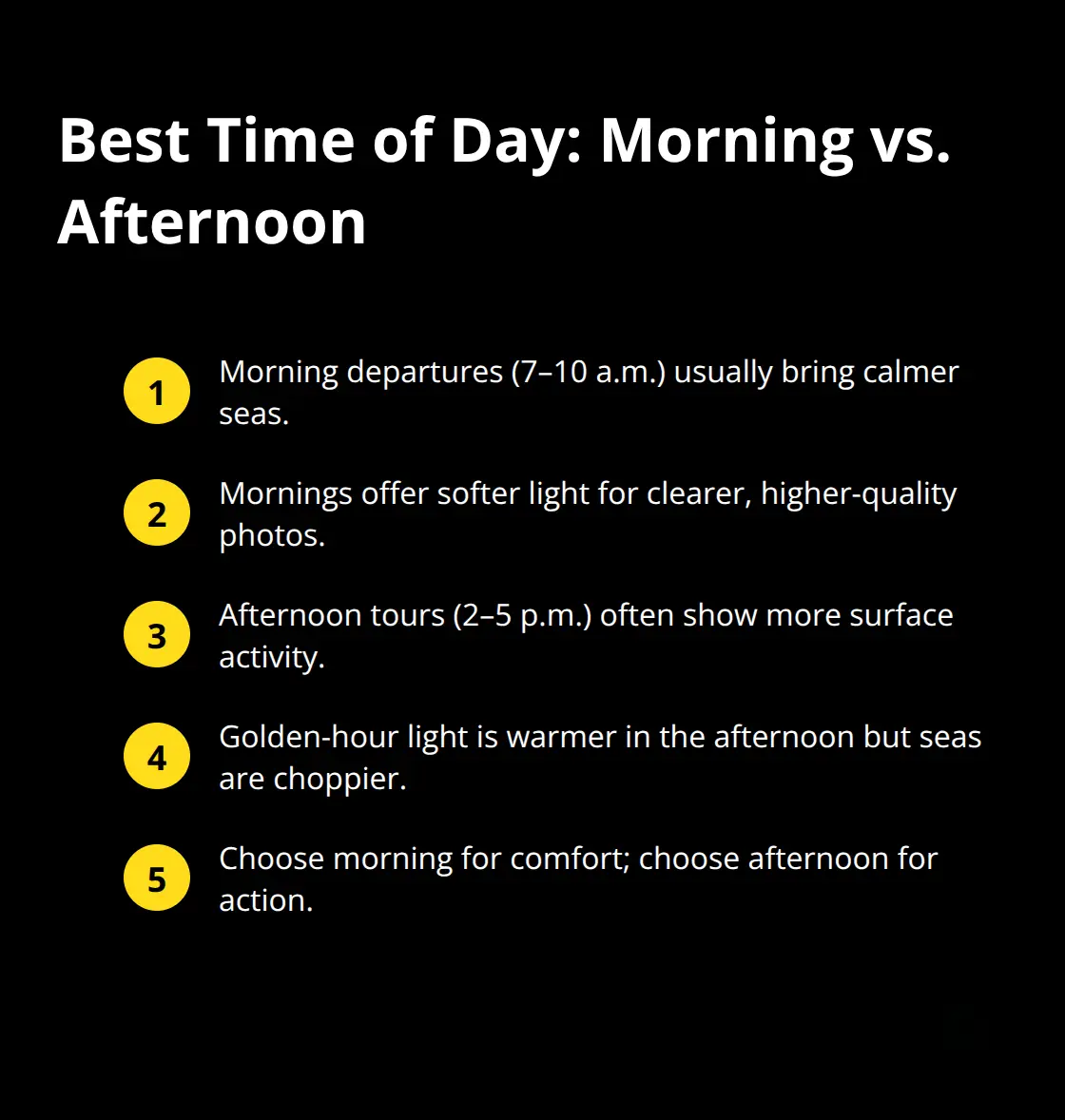
Water temperature stays warm year-round in Hawaii, so visibility and sea state matter far more than temperature when you plan your exact tour time.
Boat Size Affects Your Experience
Federal law requires all vessels to maintain at least 100 yards from humpback whales, so whether you choose a catamaran or a smaller boat, the viewing distance stays the same. Boat size affects comfort and amenities, not your ability to see whales. Large catamaran tours have more availability but also mean larger crowds and less intimate whale encounters. Small-group experiences offer more personalized attention and quieter moments on the water. The choice depends on what matters to you: amenities and ease, or a closer-knit group atmosphere.
Book Early for Peak Season Availability
Whale-watching tours on Maui fill up fast during peak season, and this isn’t an exaggeration. If you want a small-group experience or specific departure times, lock in your booking at least 6 to 8 weeks before your trip. Booking directly with operators gives you the lowest prices and fastest communication if your travel dates shift. We at Maui Snorkel Charters offer Pacific Humpback Whale watches during the winter season, paired with our snorkel tours for visitors wanting a full ocean day. Large tour operators fill their boats quickly, so early action secures your preferred time slot and boat type.
What You’ll Actually See and Experience on the Water
Marine Life Beyond the Humpbacks
Humpback whales dominate Hawaii’s winter waters, but they’re far from the only marine life you’ll encounter on a whale-watching tour. During peak season, you’ll witness humpbacks breach, tail-slap, and spy-hop-behaviors usually attributed to aggression, play, or communication. You’ll also spot Hawaiian spinner dolphins, bottlenose dolphins, and occasionally Hawaiian monk seals. The Kona coast offers access to deeper pelagic waters beyond 3 miles from shore, where pilot whales, false killer whales, sperm whales, and beaked whales appear regularly. If you tour in the off-season (April through November), pelagic trips running 3 to 4 hours specifically target these deeper-water cetaceans instead of humpbacks.
What Tour Operators Track and Report
Many operators publish weekly sighting reports that set realistic expectations before you board. Hawaiian Adventures Kona maintains a detailed log of what crew members spot each trip, giving you a clear picture of recent activity. This transparency helps you understand what conditions favor whale encounters and what marine life you might see on your specific departure date.
Tour Duration and Boat Types
Most whale-watching tours last between 2.5 and 3 hours, which means roughly 1.5 to 2 hours on the water searching for whales after accounting for travel time. Larger catamaran boats carry 50 to 100+ passengers and include onboard bathrooms, shade, and snack service, making them comfortable for families or anyone prone to seasickness. Smaller group tours with 15 to 20 passengers offer more agile positioning and a quieter experience but cost slightly more per person. Federal law mandates a 100-yard minimum distance from whales, so boat size doesn’t affect how close you get-what changes is crowd density and amenities during your time on the water.
Preventing Seasickness Before You Board
Seasickness hits roughly 30 percent of ocean-goers, so practical prevention matters more than hoping you’ll be fine. Take ginger supplements or wear acupressure wristbands at least 30 minutes before departure; studies show both reduce nausea in roughly 50 percent of users. Eat a light breakfast with complex carbs (toast, oatmeal) rather than greasy food, and stay hydrated throughout the tour. Position yourself amidships on larger boats where motion is least noticeable, and focus your eyes on the horizon rather than the moving boat. Avoid reading or looking at your phone, which tricks your inner ear and worsens symptoms.
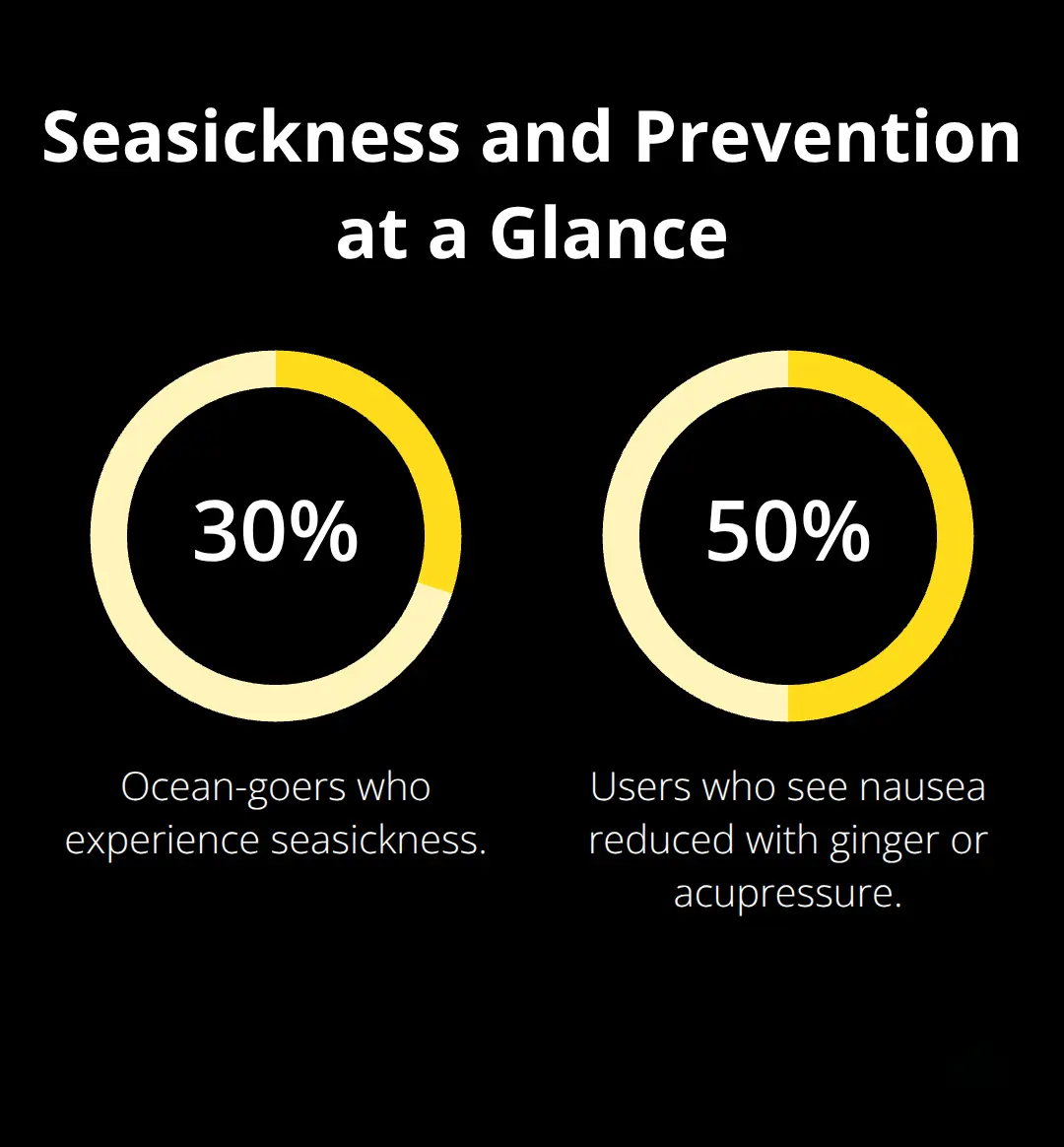
If you’re genuinely prone to seasickness, morning tours offer calmer seas than afternoon departures, and the Kona coast delivers smoother conditions than Maui’s channels.
Essential Packing and Preparation
Pack polarized sunglasses to reduce glare off the water, reef-safe sunscreen rated SPF 30 or higher, a lightweight long-sleeve shirt or rash guard, a hat, and a light jacket for wind on the water. Bring binoculars if you own them-they reveal whale behavior details your naked eye misses, like the texture of blowholes and the shape of dorsal fins. Most tours provide snacks and water, but bringing your own ensures you stay hydrated on longer pelagic trips. Wear water shoes or sandals you can slip off easily if the crew asks you to move quickly for a whale sighting. Seasickness medication like Dramamine works for some people but causes drowsiness; test it at home first rather than on tour day. With the right preparation and gear, you’ll maximize your comfort and focus entirely on the whales themselves-which means you’re ready to explore the specific locations where your best sightings will happen.
Where to Watch Whales Across Hawaii
Maui’s Unmatched Whale-Watching Advantage
Maui dominates Hawaii’s whale-watching landscape, and the numbers prove it decisively. The Auʻau Channel between Maui, Molokaʻi, and Lānaʻi creates the perfect marine nursery: more than half of Hawaii’s roughly 11,400 humpback whales winter in this shallow basin. Ma’alaea Harbor on Maui’s south side serves as the primary departure point, putting you on the water within minutes rather than hours. Tours from Ma’alaea run 2.5 to 3 hours and cost between $60 and $150 per adult depending on boat size and amenities. Large catamarans holding 100+ passengers fill quickly during January and February, which means booking 6 to 8 weeks ahead becomes non-negotiable if you want your preferred time slot.
The Big Island’s Kona Coast Alternative
The Kona coast on the Big Island presents a genuine alternative if Maui feels crowded or if your schedule demands flexibility. Kona’s leeward position delivers calmer seas than Maui’s channels, making it superior for families or anyone prone to seasickness. Body Glove runs a 2.5-hour Kona Whale Watch from Kailua Pier for $139.99 per adult, including onboard hydrophones that let you hear humpback songs underwater. Hawaiian Adventures Kona offers similar 2.5 to 3-hour humpback tours at $129 per person, with weekly sighting reports that show exactly what the crew encountered on recent trips. The Kona coast delivers a less crowded experience than Maui while maintaining strong whale encounter rates during peak season.
Kohala’s Free Shore-Viewing Opportunities
The Kohala Coast on the Big Island’s north side hosts two to three times more humpbacks than other island sites according to shore count data, yet receives a fraction of Maui’s tour traffic. Three free shore-viewing spots worth visiting are Puʻukoholā Heiau National Historic Site, Lapakahi State Historical Park, and Kapaʻa Beach Park. Early mornings are prime times for whale visibility, so plan an early arrival with water and a hat for shade. Shore viewing works best if your budget is tight or if you’re visiting outside peak season when boat tours become less reliable.
Off-Season Pelagic Tours on the Big Island
The Big Island’s pelagic season from April through November opens access to deeper-water cetaceans you won’t see from Maui. Tours running 3 to 4 hours from Honokōhau Harbor target pilot whales, sperm whales, beaked whales, and false killer whales beyond the 3-mile offshore zone. Hawaiian Adventures Kona charges about $129 per person for these trips, dropping to $109 if booked 30 or more days ahead, with a minimum age of 10 years. The crew publishes detailed weekly reports that document sightings like Cuvier’s beaked whales and striped dolphins, giving you realistic expectations before boarding.
Choosing Your Island Based on Priorities
Maui remains the clear winner if whale sightings are your priority: the Auʻau Channel’s concentration of whales, the infrastructure of dozens of operators, and the accessibility from resorts make it unbeatable. Try Kona if you want fewer crowds, calmer seas, and the flexibility to combine whale watching with snorkeling and volcano visits in a single week. Hilo on the Big Island’s windward side offers January through April tours with shorter windows and less frequent departures than Kona, making it a backup option rather than a primary choice.
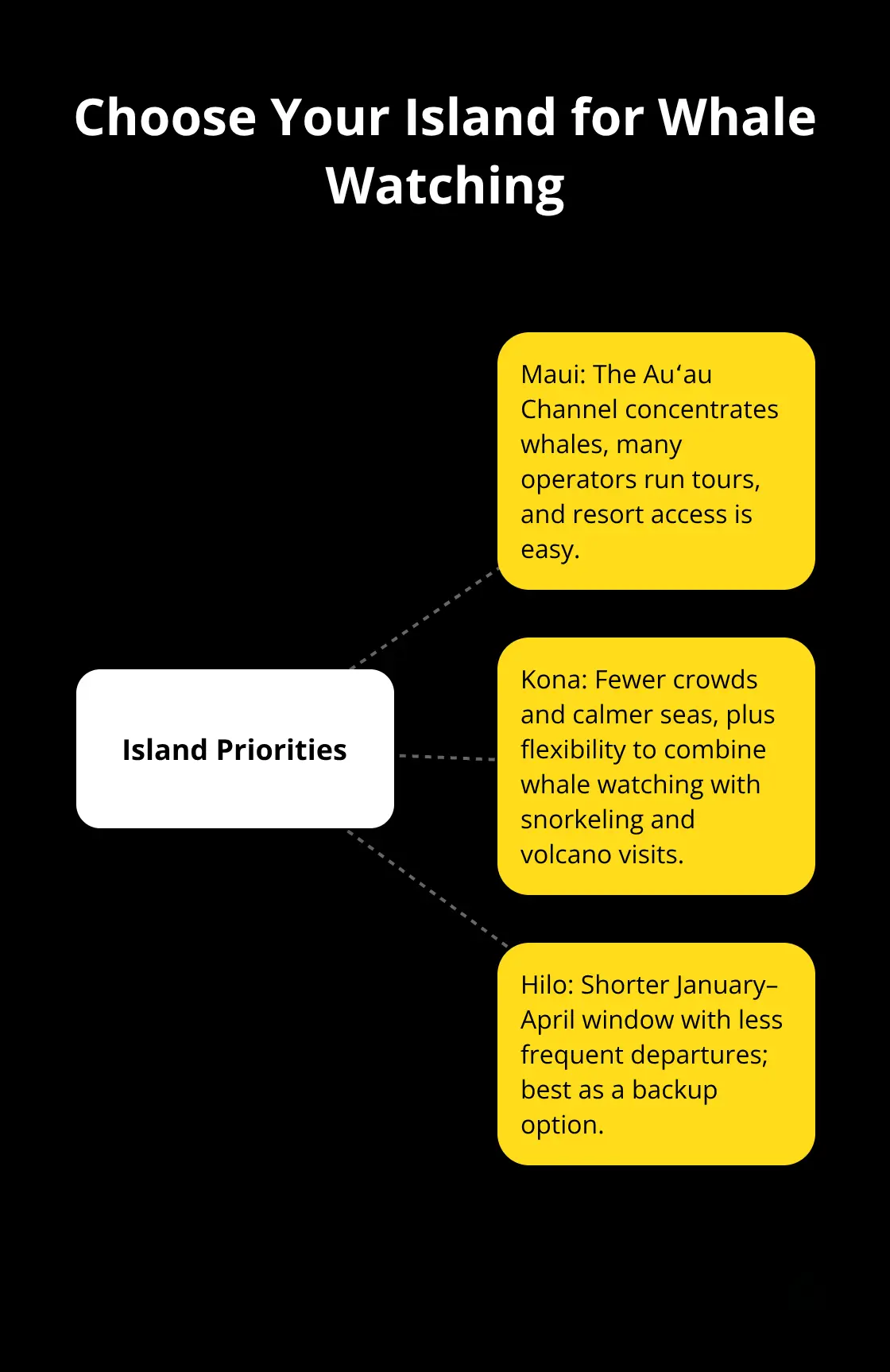
Final Thoughts
Hawaii whale watching tours succeed because timing and location matter equally. January and February offer peak sightings when roughly 11,400 North Pacific humpbacks fill Hawaiian waters, with more than half concentrating in Maui’s Auʻau Channel. The Big Island’s Kona coast provides a calmer alternative with equally strong whale encounters, while free shore viewing at Kohala’s Puʻukoholā Heiau works perfectly if you’re budget-conscious or visiting outside peak season.
Your success hinges on three decisions: timing your visit for January through March, choosing Maui for maximum whale density or Kona for smoother seas and fewer tourists, and booking early to secure your preferred boat and departure time. Morning tours deliver calmer conditions and better photography light, while afternoon departures often showcase more active whale behavior. Pack polarized sunglasses, reef-safe sunscreen, and seasickness prevention if you’re prone to motion sickness.
We at Maui Snorkel Charters offer Pacific Humpback Whale watches during the winter season, paired with our small-group snorkel tours to Molokini Crater and Turtle Town for visitors wanting a complete ocean experience. Our custom 40-foot vessel carries a maximum of 20 guests, ensuring personalized attention and flexible routing based on daily conditions. Book your tour well in advance to guarantee your spot during Hawaii’s most magical season.
Call 808-270-8776