Identification reference
WHALE SEASON BEGINS DEC 15 • EARLY BOOKING OPEN
Reef invertebrates
Mollusca • multiple classes
Mollusks include far more than empty shells. Hawaiian reef and shore habitats support snails, limpets, cowries and octopuses with very different forms and lives. This guide connects those groups while making clear that observation is not an invitation to collect or handle an animal.
Identification reference
Mollusks
Cowries, cone snails, limpets and octopuses
Animal and shell together
Leave living animals in place
Cone snails are predatory mollusks that use venom to capture prey. A patterned shell is not safe to pick up simply because it looks small or decorative. Maui Ocean Center describes different prey and habitats within the group. Photograph in place and do not handle a cone snail. [3]
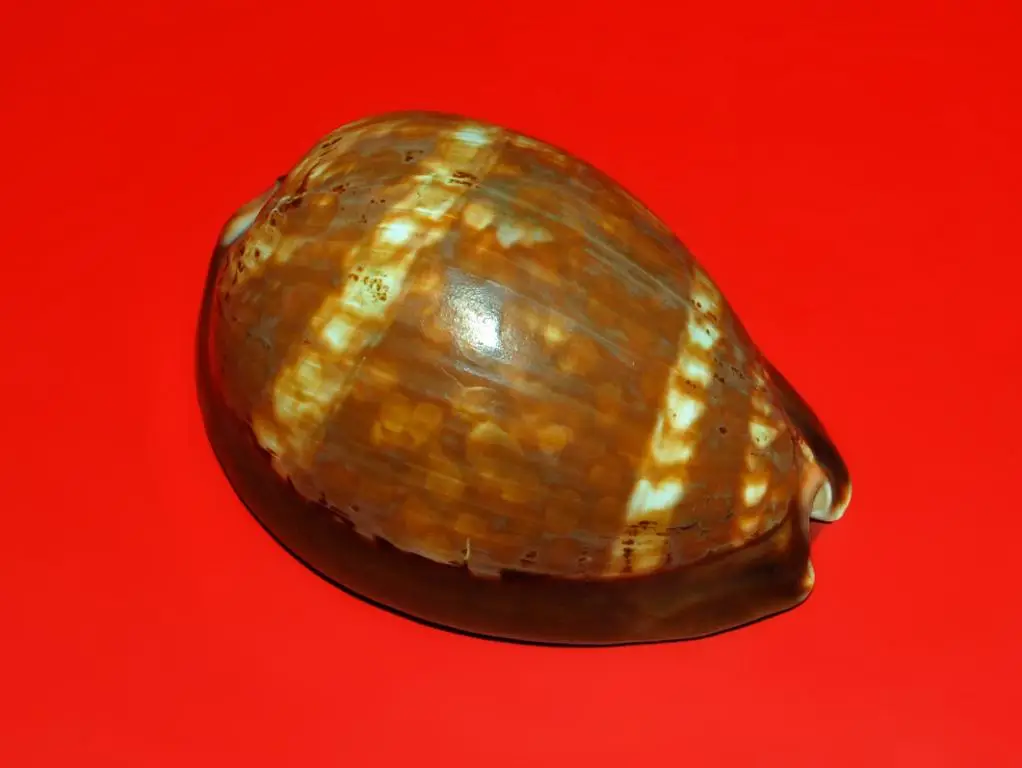
The aquarium’s mollusk guide includes cowries and ʻopihi alongside cephalopods and other snails. These groups show how varied a mollusk can be. A group page should lead to species-specific identification rather than imply that all shell-bearing animals feed or reproduce the same way. [1]
Keep fins and hands clear of the reef, avoid turning rocks and leave attached animals alone. The library does not provide harvesting instructions or override marine-protected-area rules. A collecting question needs its own current legal and habitat-specific guidance.
Each photograph should record the organism, location when known and image source. An attractive overseas shell photograph should not automatically be labeled Hawaiian. The octopus page offers a fuller treatment of one group, while sea-star and lobster pages demonstrate animals that are not mollusks despite sharing the same reef.
Yes. It belongs to the cephalopod branch.
Do not handle it; a living cone snail can deliver venom.
No. It is a wildlife-observation guide, not a collecting permission or legal reference.
Research sources checked November 16, 2026. Wildlife timing, appearance and sightings vary. This guide is not a live sighting report.
Ocean adventures from Kihei, Maui
Snorkeling · Molokini · Whale Watching · Sunset Cruises
© Maui Snorkel Charters. Routes and wildlife encounters vary with ocean conditions.
We use necessary cookies to run this site and provide the services you request. With your permission, we also use statistics cookies to understand visits and optional services such as maps and videos. You can accept, reject optional cookies, or change your choices at any time.