
Maui Snorkel Charters
What should I know before booking a whale watch tour in Maui?
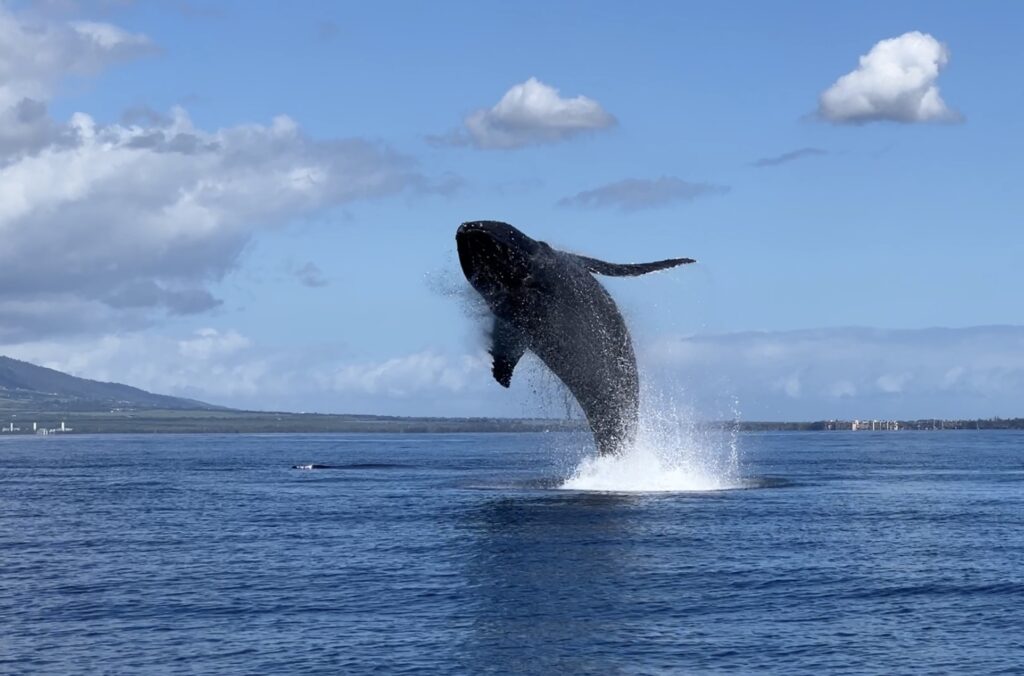
A Maui whale watch is a chance to spend time observing wildlife with a crew that understands the ocean and the viewing rules. Choose the season and the kind of boat experience you want, then compare the actual departure, duration and inclusions. A good plan leaves room for nature to set the pace.
When is humpback season?
NOAA describes Hawaiʻi’s usual humpback season as November through May, with the greatest abundance generally from January through March. A tour operator’s schedule may cover a shorter period. Check the dates actually offered for your vacation. Read the sanctuary’s seasonal guidance.
Whales can surface, dive, travel, breach or remain out of sight for a while. Neither a particular behavior nor a close approach can be scheduled. An early departure may offer a useful wind advantage, rather than a guarantee of more whales.
Why whales come to Maui, and where the channels fit
Hawaiʻi is part of the humpbacks’ winter breeding habitat. They come to mate, give birth and nurse calves, while their feeding grounds lie farther north. NOAA’s sanctuary overview explains that seasonal purpose. A whale watch is an opportunity to observe a stage of their annual life cycle, rather than a performance arranged for a boat.
The ʻAuʻau Channel between Maui and Lānaʻi is one of the named areas you will hear about in Maui whale-watching discussions. Sanctuary researchers study whale use of this channel as part of their monitoring. The name helps you understand Maui Nui’s geography; it does not mean every departure follows an identical route or needs to cross to another island.
Choose a trip by its actual boarding location and the experience it offers. Maui Snorkel Charters serves guests from a Kihei departure. People staying in Wailea may find that convenient, while West Maui visitors should include their drive in the day. Whales move, and the captain’s route depends on what is happening on the water.
Choose a dedicated whale watch or a snorkeling day
| Experience | Main purpose | What to confirm |
|---|---|---|
| Shared whale watch | Time aboard a scheduled trip focused on observing whales with other guests. | Season dates, trip duration, seating and inclusions on the current shared tour. |
| Private whale watch | A whale-watching charter reserved for your party. | The group price and offered itinerary on the private whale-watch page. |
| Snorkeling tour during whale season | A trip designed around its snorkeling itinerary, with wildlife that may be seen along the way. | The actual route and inclusions; a possible sighting does not make it a dedicated whale watch. |
| Shore viewing | A flexible chance to watch from an accessible public viewpoint. | Current access and a comfortable place to observe; use our shore-viewing guide. |
If you want both snorkeling and a dedicated whale experience, compare the activities separately or choose a product that expressly offers both. The phrase “whale season” on a snorkel page does not add a separate watch to its itinerary.
Compare boats by the experience you want
Smaller group outings can feel personal; larger vessels may offer different seating and amenities. Rafts, rigid-inflatable boats and catamarans also differ in boarding and movement. Ask about shade, seating, restroom arrangements and any mobility or comfort needs before choosing.
A private charter reserves a boat for your party. A shared tour sells individual places. The best choice depends on the people coming with you, the available product and the total price for your date.
Choose the actual departure point
Kihei, Māʻalaea and West Maui departures are different travel plans. Use the address and check-in instructions on your confirmation. If a tour boards in Lahaina, check current official access guidance as well as the operator’s instructions.
Maui Snorkel Charters’ whale-watching options and private charter details are the places to confirm our current products. Allow driving and parking time and leave room after the planned return.
Respect the viewing distance
Federal rules prohibit approaching a humpback whale within 100 yards in Hawaiʻi. The captain manages the vessel around the animals and the applicable rules. A whale’s own movement is different from permission for a boat or swimmer to approach it. NOAA’s viewing guidance explains the distinction.
Watch for a blow, a dark back or tail flukes, and listen to the crew’s interpretation. A hydrophone, if included on the chosen product, offers a different way to experience the ocean; check the actual inclusions rather than assuming every boat has one.
How a whale-watch outing usually unfolds
After check-in and boarding, the crew explains the boat and viewing plan. Once underway, look across the water for a blow or movement rather than staring at a single point. The crew helps the group follow what is visible and explains the behavior. A whale can dive and reappear later, so time spent quietly watching is part of the experience too.
The captain positions and operates the boat under the viewing rules. Follow the crew’s directions about seating and moving around, and ask questions while you watch. Before the return, secure your belongings and leave the arrival area clear for the crew. This general sequence helps you picture the outing; the selected product supplies its actual schedule.
Recognizing a few whale behaviors
- Blow: the visible exhalation as a whale surfaces to breathe.
- Breach: a whale lifts much of its body clear of the water and lands with a splash.
- Tail slap: the tail flukes strike the surface.
- Pectoral-fin slap: one or both long flippers strike the water.
- Spy hop: the whale rises upright with its head above the surface.
- Fluke-up dive: the tail rises as the whale begins a dive.
NOAA’s illustrated behavior guide is a useful companion. Learning the names can make even a brief observation more interesting. It does not mean every behavior will occur during one trip.
Morning conditions and booking timing
Earlier departures offer our best chance for calm waters because they take advantage of Maui’s usual morning wind pattern. “The wind doesn’t sleep in” explains why we like an early ocean start. It is a comfort and conditions consideration, not a promise that whales are more active at a particular hour. Read the wind guide and check the current report for the advisory area and effective times.
For a vacation during the usual peak months, start by checking your preferred date and the actual tour calendar. For an early- or late-season visit, confirm which trips are operating. Booking an ocean outing earlier in your vacation can leave room to discuss available alternatives if plans change, without assuming that a particular rescheduling option is guaranteed.
What to bring and how to enjoy the view
Bring sun protection, a layer suitable for the conditions and the personal items requested in your confirmation. Secure your camera or phone. Binoculars can help from shore or a boat, and a zoom lets you photograph without needing to get closer.
If motion sensitivity matters to you, discuss the vessel with the operator and ask a qualified healthcare professional about your personal preparation. Ask which preparation suits you before the trip. On board, follow the crew’s seating and movement instructions.
Check the policy behind a sighting guarantee
Some operators offer a particular remedy when no whales are seen; others do not. Read the actual terms before booking. A marketing guarantee is not a promise that a wild animal will appear or perform a behavior.
Compare current departure dates, total price, inclusions and cancellation terms. Ask our team about the experience you want and choose a trip that fits the people aboard.
Watching from shore and traveling with children
A public shore viewpoint can be an enjoyable alternative or an extra moment in your day. Our shore whale-watching guide explains the location and access decisions. Binoculars and patience are more useful than expecting a whale at a particular rock.
For a family boat trip, check the current age requirements, boarding and seating arrangements. A calf or a particular behavior is an exciting possibility, not a scheduled part of the tour. Help children understand that observation and respect are part of the experience.
Questions to answer before you reserve
Make sure you know the boarding location, required check-in time, total price for your party, trip duration, participant requirements and cancellation terms. If someone has a particular boarding or comfort need, discuss it with the operator before choosing. A product that fits the group is the best starting point for a memorable day.
We care about helping you enjoy the time on the water. Tell us who is coming and what you hope to experience, or compare our shared whale watch and private whale watch to choose your Maui morning.