
Every winter, humpback whales travel over 3,000 miles to Hawaiian waters, creating one of the world’s most spectacular marine events. At Maui Snorkel Charters, we’ve watched thousands of visitors experience the magic of Hawaiian whale watching tours firsthand.
This guide covers everything you need to know to make your whale watching adventure unforgettable-from what species you’ll encounter to practical tips for getting the best views and photos.
What to Expect When You Book a Whale Watching Tour
Whale watching season on Maui runs from November through April, with January through March delivering the highest concentration of whales and the most reliable sightings. In the North Pacific, some humpback whales migrate from Alaska to Hawaiʻi-they can complete the 3,000 mile trip in as few as 28 days, and you’ll witness their presence through dramatic surface behaviors like breaching, tail slapping, and spy-hopping. Most tours depart from Lahaina or Maʻalaea harbors and last between 2 to 3 hours, though shorter 1.5-hour options exist if you’re tight on time. Morning departures around 7 to 10 am offer calmer seas and superior visibility for spotting whale spouts and splashes, making this timing your best bet for photography and seasickness prevention. The Auʻau Channel between Maui, Molokaʻi, and Lānaʻi serves as the primary whale hotspot based on aerial survey data collected by the University of Hawaiʻi, so expect your captain to navigate these protected waters where shallow conditions concentrate the whales.
Which Vessel Type Matches Your Comfort Level
Large catamarans carry more passengers but provide stability, onboard refreshments, bathrooms, and a social atmosphere ideal if rough seas concern you. Small-group rafts and zodiac boats deliver closer whale encounters and more intimate experiences, though they skip amenities and ride bumpier in choppy conditions. Hydrophone-equipped tours let you hear whale songs underwater, an experience that transforms the entire outing since male humpbacks produce complex vocalizations that travel long distances beneath the surface. Federal law mandates all vessels stay 100 yards from whales, so expect your captain to position the boat strategically rather than chase animals, respecting both the law and the creatures themselves.
What You’ll Witness on the Water
Surface behaviors dominate your viewing experience during peak season. Breaches launch 40-ton whales partially out of the water in explosive displays, while tail slaps and pectoral slaps create thunderous splashes visible from considerable distances. Spy-hopping (where whales lift their heads vertically to observe the surface) offers another memorable moment that photographers treasure. You’ll also spot spouts-the distinctive water plumes that whales exhale-which serve as your first signal that whales occupy the area.
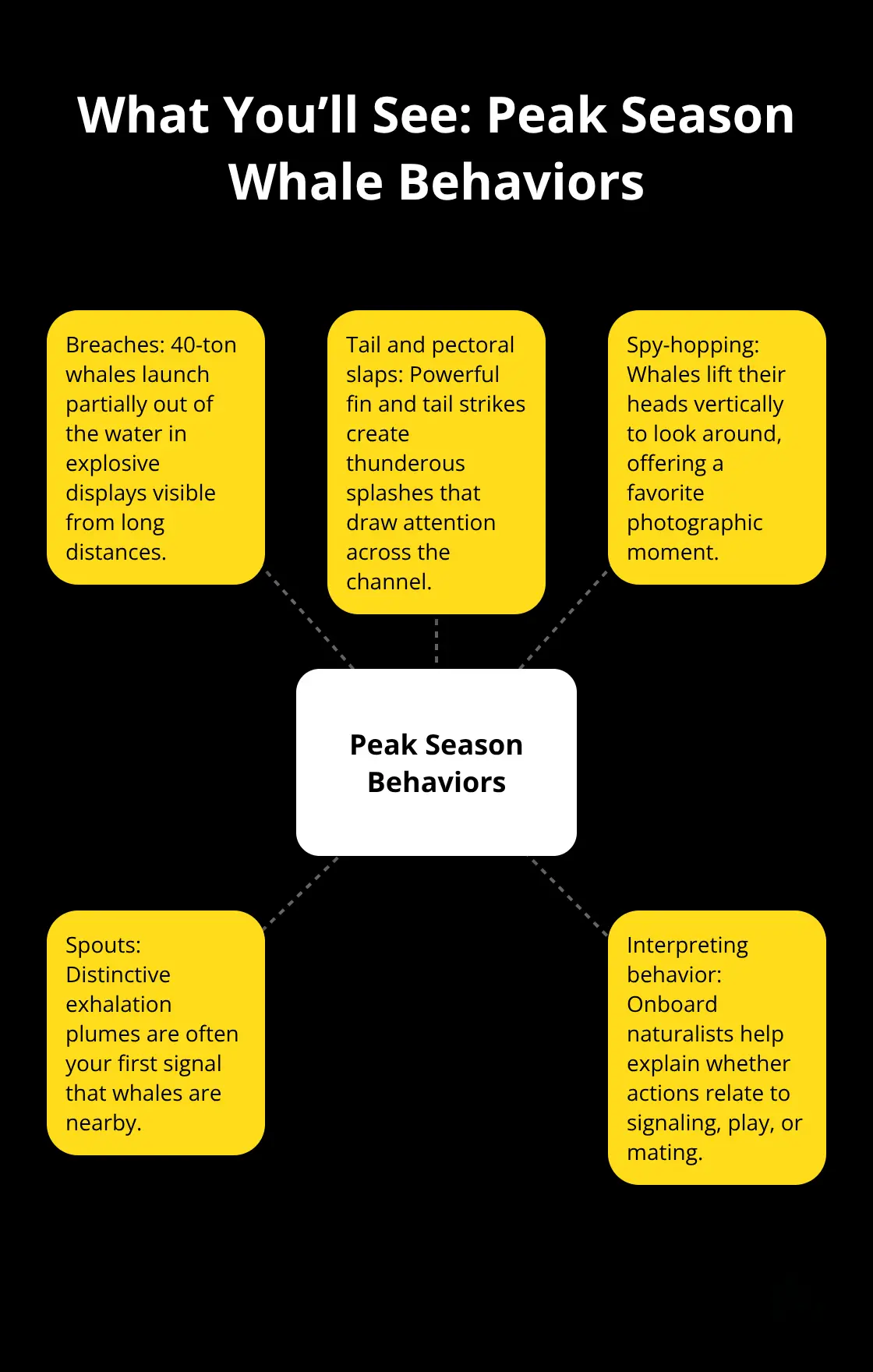
These behaviors may serve signaling, play, or mating purposes, though marine naturalists aboard quality tours can interpret what you’re actually watching.
Preparing for Your Specific Tour
Tour operators vary in their offerings and vessel sizes, so compare durations, inclusions (refreshments, restrooms), and boat types before you book. Morning tours typically provide calmer conditions and better photography opportunities than afternoon or sunset options. Wear layers since ocean breezes cool you quickly, and apply sunscreen liberally-the water reflects UV rays intensely. Bring a camera with a good zoom lens if you want quality whale photos, though many operators provide underwater hydrophones that capture audio you can’t replicate on land.
Your choice of vessel and timing shapes the entire experience, so the next section explores how Hawaii’s unique geography and marine conditions create the world’s premier whale watching destination.
Why Hawaii Beats Every Other Whale Watching Destination
The Population Recovery That Changed Everything
The North Pacific humpback population exploded from fewer than 1,500 whales in the 1960s to over 21,000 today, with more than 12,000 migrating to Hawaiian waters annually. This recovery matters because it guarantees you’ll actually see whales, not spend hours scanning empty ocean. Humpbacks follow a specific 3,000-mile route from Alaska’s summer feeding grounds to Hawaiian breeding waters, and this predictability is why Hawaii outperforms other whale watching destinations worldwide. Congress designated the Hawaiian Islands Humpback Whale National Marine Sanctuary in 1992, establishing legal protections that maintain consistent populations and responsible tour operations.
Geography Creates Reliable Encounters
The Auʻau Channel between Maui, Molokaʻi, and Lānaʻi concentrates roughly 12,000 whales annually in shallow, protected waters where visibility peaks and whale behavior becomes predictable. Aerial survey data from the University of Hawaiʻi confirms red-zone hotspots where encounters happen reliably, so your captain doesn’t gamble on whale locations. Compared to other global whale watching regions, Hawaii’s combination of protected sanctuary status, massive population concentration, calm channel waters, and established tour infrastructure creates conditions you simply cannot replicate off California, Alaska, or Mexico.
Why Whales Stay Put in Hawaiian Waters
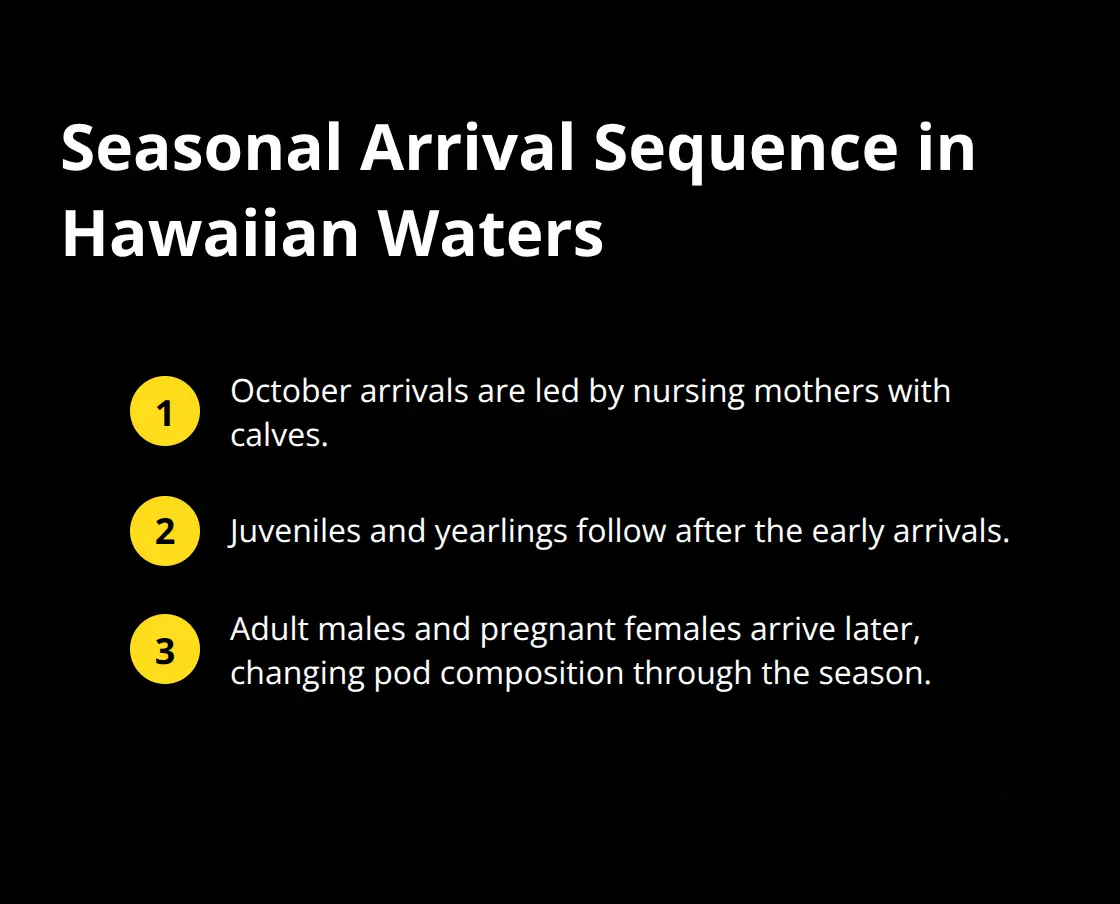
Humpbacks don’t feed in Hawaiian waters, so they remain close to shallow breeding and nursing grounds rather than dispersing across deep ocean like other migration routes. This behavior keeps whales concentrated in predictable zones where tour operators position boats strategically within the mandatory 100-yard federal distance limit. The whales arrive in October with nursing mothers leading the charge, followed by juveniles and yearlings, then adult males and pregnant females, meaning different pod compositions create varied viewing experiences throughout the season.
Water Clarity and Seasonal Timing
Water clarity in the Auʻau Channel exceeds many Atlantic and Pacific destinations because the shallow, protected channel experiences minimal sediment runoff, allowing you to spot whale spouts, tail slaps, and breaching behavior from greater distances. The seasonal timing matters too-January through March concentrates peak whale activity when breeding intensity peaks, whereas other destinations experience longer but less intense seasons. You’ll witness superior visibility and more dramatic surface behaviors during these months than anywhere else on Earth.
What Sets Hawaii Apart for Your Experience
Hawaii’s sanctuary designation, combined with its geographic advantages and massive annual whale populations, creates the world’s most reliable and spectacular whale watching experience. The physics and biology work in your favor here-protected waters, concentrated populations, and predictable behavior patterns mean your tour operator can position you for consistent encounters rather than hoping for luck. These same conditions that make Hawaii exceptional also shape how you should prepare for your actual tour experience.
How to Prepare for Your Whale Watching Tour
Dress for Rapid Temperature Changes
Ocean conditions shift quickly, so layers and sunscreen matter more than you’d expect before your first tour. Wear a light jacket or hoodie over your shirt since morning departures around 7 to 10 am mean cooler air temperatures, and ocean breezes will chill you even when the sun feels warm on deck. Apply broad-spectrum SPF 30 or higher sunscreen to your face, ears, and the back of your neck at least 15 minutes before boarding, then reapply every two hours since water spray and sweat wash it away. Bring a hat with a brim and polarized sunglasses to reduce glare bouncing off the water surface, which improves your ability to spot whale spouts and surface activity.
Combat Seasickness and Dehydration
Seasickness affects roughly 30 percent of ocean tour participants according to marine research, so consider taking ginger supplements or prescription patches the night before if you’re prone to motion sickness. Morning tours deliver calmer seas than afternoon or sunset departures, making this timing your strongest defense against nausea. Pack a light snack and water bottle since even 1.5-hour tours leave you hungry and dehydrated by the time you return to harbor. Secure any loose items in a waterproof bag because spray and splashing are constant features of whale watching, not occasional hazards.
Position Yourself Strategically on Deck
Federal law requires vessels maintain 100 yards from whales, so position yourself on the side of the boat facing the Auʻau Channel rather than expecting whales to approach the vessel. This positioning maximizes your viewing angles and keeps you compliant with marine protection regulations that protect both whales and your safety.
Photograph Responsibly and Effectively
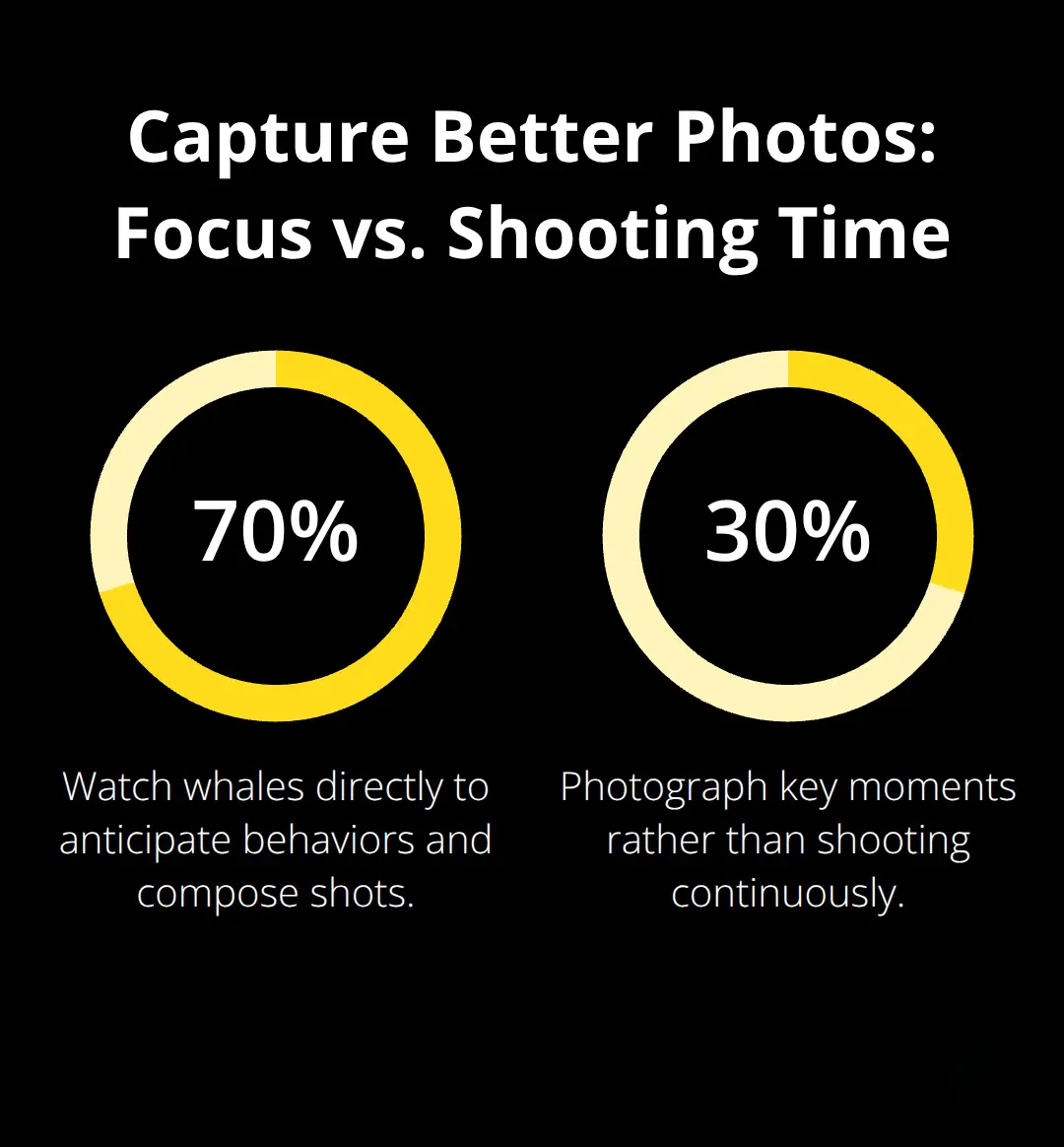
Never use flash photography since the sudden light startles whales and violates basic wildlife ethics-switch your camera to continuous shooting mode instead to capture multiple frames as whales breach or tail slap. A telephoto lens with at least 200mm focal length captures whale details from the mandatory 100-yard distance without requiring you to lean over railings or crowd other passengers. If your tour operator offers hydrophones, position yourself near the speaker rather than trying to record whale songs on your phone, since underwater audio captures frequencies your device cannot reproduce accurately. Most quality tour operators provide naturalist narration that explains what you’re witnessing in real time, so focus on listening rather than filming continuously. The best whale watching photographs come from passengers who watch the whales directly for 70 percent of the tour and photograph for 30 percent, not the reverse.
Respect Wildlife and Seasonal Variations
Responsible whale watching means staying quiet and still when whales surface nearby, as sudden movements and loud voices disturb animals during their breeding season when energy reserves matter for survival. Expect different behaviors throughout the season since October arrivals bring nursing mothers with calves, while January through March concentrates breeding males producing complex vocalizations that males from Mexico and Japan also perform, creating a shared Pacific song that changes annually. Respect the federal 100-yard distance requirement even if your captain positions the boat closer than other vessels, because this rule exists to protect breeding whales and your safety.
Final Thoughts
Over 12,000 humpbacks migrate annually to Hawaiian waters, and the Auʻau Channel’s protected geography creates conditions where you’ll witness breaching, tail slaps, and underwater songs with remarkable consistency. January through March concentrates peak activity, but December and April also offer solid sighting opportunities if you remain flexible with your schedule. The winter season fills quickly, so book your flights, accommodations, and Hawaiian whale watching tours early to secure your preferred departure times and vessel types.
We at Maui Snorkel Charters understand that whale watching represents a highlight of your Hawaiian adventure, and our small-group approach means you’ll experience these magnificent creatures without fighting crowds aboard massive catamarans. We offer Pacific Humpback Whale watches during the winter season, combining responsible viewing practices and naturalist expertise that make Hawaiian whale watching exceptional. Book your whale watching tour with us and join thousands of visitors who’ve witnessed the magic of humpbacks in their breeding grounds.
The whales are waiting, and the season is short. Your next step is simple: secure your spot aboard a quality tour operator and prepare for the most spectacular marine encounter of your life.
Call 808-270-8776