Maui Snorkel Charters
Snorkel Paradise: Your Guide to Maui’s Best Shoreline Spots
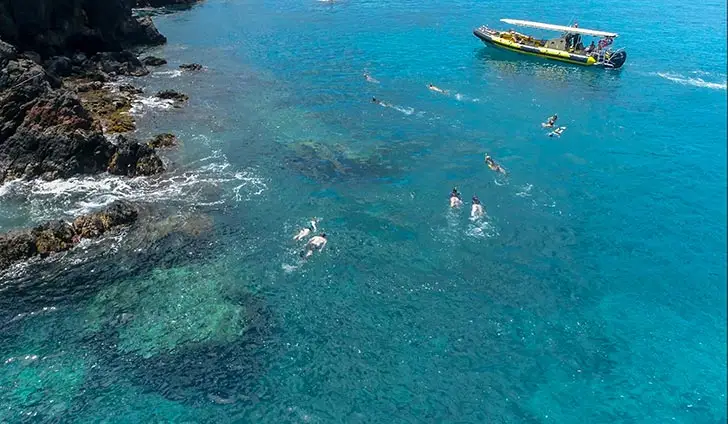
Maui shore snorkeling lets you build an ocean outing around a beach day, a picnic or the part of the island where you are staying. The best choice is the place that suits your swimming experience and that morning’s conditions. This guide compares seven well-known locations, then helps you decide whether an independent beach visit or a guided boat trip will give your group the day it wants.
Seven Maui shoreline snorkeling spots to compare
Kapalua Bay: a West Maui beach-and-reef morning
Kapalua Bay is a useful starting point for visitors staying in the Kapalua or Nāpili area who want to combine beach time with snorkeling. Plan around a sandy entry and a manageable route rather than trying to cover the whole bay. Its curved shoreline does not make every day equally suitable: look at the water and choose the part of the morning that fits your group. Our Kapalua turtle and snorkeling guide explains how this bay differs from nearby Nāpili and Honolua.
Black Rock at Kāʻanapali: a recognizable landmark
Puʻu Kekaʻa, commonly called Black Rock, is at the northern end of Kāʻanapali Beach. Hawaiʻi’s visitor guide identifies it as a snorkeling location. It can be convenient for guests already staying along Kāʻanapali, but convenience on land does not determine the route to swim. Choose an entry and exit you understand, stay clear of people jumping from rocks, and do not assume that rounding the point is part of an ordinary beach snorkel.
Maluaka Beach: South Maui’s Turtle Town planning
Maluaka is on the Mākena coast, where visitors often use the name Turtle Town for the surrounding snorkeling area. It is a beach destination you can research separately from a boat tour carrying that name. Use the signed public access and keep the walk, beach time and return to your vehicle in your plan. Our Maluaka Beach guide covers the local distinction and what to consider for a relaxed visit.
Honolua Bay: a reef-focused West Maui outing
Honolua is part of the Honolua–Mokulēʻia Marine Life Conservation District. Choose it for its reef setting, with the shoreline approach and ocean conditions part of the decision. It should not be treated as interchangeable with a sandy resort beach. A day with surf or poor water clarity can be a good day to enjoy another activity instead. Read our Honolua guide before making it your main snorkeling plan.
Olowalu: a reef landscape south of Lahaina
Olowalu gives West Maui visitors another coastal area to consider. The Nature Conservancy’s Olowalu information explains why the place matters to Maui’s reef conservation. Plan a legal shoreline access point and a route with room to float clear of the reef. A familiar mile-marker nickname does not identify a parking space or a suitable entry. This is a place to appreciate carefully, without standing on coral or extending the swim simply to reach a more distant patch of reef.
ʻĀhihi-Kīnaʻu: a visit to a protected natural area
In South Maui, ʻĀhihi-Kīnaʻu Natural Area Reserve combines an ocean setting with a distinctive lava landscape. Use the reserve’s designated open areas and posted access information. Some parts are closed to protect sensitive resources, so an old map pin is not a route to follow. Check the official visiting hours and parking information when planning; keeping the visit within the intended public area helps protect the place you came to enjoy.
Kahekili Beach Park: another Kāʻanapali option
Kahekili, also called Airport Beach, is a separate choice from the Black Rock end of Kāʻanapali. It can make sense to compare both when you are staying nearby rather than driving across the island for a beach name. The County’s park information identifies Kahekili as managed by the Kāʻanapali Beach Resort Association. Check the signs and facilities you need on arrival, and plan the swim from the actual beach conditions.
How to choose your morning
Start with location, then experience, then the day’s ocean. Staying nearby gives you more time to enjoy a beach and less pressure to make a particular plan work. For a mixed group, choose a setting where people who prefer shore time can enjoy their morning too. Compare these areas with our Maui snorkeling location guide.
Earlier is usually the better starting point when planning around Maui’s daily wind pattern. As we say, “The wind doesn’t sleep in.” That is why our earlier tours offer the best chance for calm waters. Our wind guide explains the morning advantage, and the snorkel report adds current context. Read an advisory’s affected area and start and end times; an afternoon advisory is different from one already in effect, while swell and local conditions still need their own consideration.
Shore snorkeling or a guided boat trip?
| Your priority | Shore outing | Guided boat outing |
|---|---|---|
| A flexible beach day | You set the arrival time and combine swimming with shore activities. | You reserve a defined departure and trip duration. |
| Help organizing the ocean portion | You arrange gear, assess the entry and plan your return with your buddy. | The crew provides the briefing and makes the day’s route decisions. |
| Visiting Molokini | A beach snorkel explores a different location. | Choose a trip specifically designed around Molokini, with conditions guiding the route. |
A boat tour can be a comfortable choice when you want a team to handle the planning and help with equipment. Guests still need to meet the selected trip’s swimming and participation requirements. Compare our current morning tours, including the 2-hour Molokini Sunrise, and ask us which option fits your experience.
A simple preparation routine
Fit your mask and fins before starting, understand how to clear your snorkel, and choose an entry and exit you can comfortably use. Go with a buddy and agree how you will stay together. Bring drinking water, a towel and sun protection. If you would like an introduction to equipment, our snorkeling preparation guide explains the questions to ask before your first outing.
Enjoy marine life by giving it room. Float above coral, keep fins clear, and avoid feeding, touching or following animals. NOAA recommends at least 10 feet of space around sea turtles. Observing an animal’s ordinary behavior is a better experience than trying to create a close encounter.
Common shore-snorkeling questions
Which Maui beach is best for a beginner?
Choose a calm day, an entry and exit you understand, and a route within your independent swimming ability. Kapalua may be on your West Maui shortlist, but no beach name replaces that check. A comfortable ocean swimmer who is new to a mask and snorkel has different needs from someone learning to swim. Tell a qualified guide or our team which situation applies so we can help you choose the right introduction.
Where should I plan to look for turtles?
Maluaka and the Turtle Town coast, as well as Kapalua, are useful places to research for a turtle-themed outing. Sightings are a possibility, not an appointment. Choose a location you would enjoy for its reef and setting too, then give any turtles you encounter space to continue their day.
How can I find a less busy place?
Allow an early, unhurried start and keep two suitable options in the same area. If parking or the beach feels busy, another established public location may be more enjoyable. A remote or unsigned entry is not automatically a better choice. For a planned group experience, compare a shared trip with a private charter.
The goal is a morning that feels well chosen from the start. Tell us where you are staying and what your group hopes to see, and we will help you decide whether one of our early ocean tours is a good fit.