
Every winter, humpback whales migrate to Maui’s warm waters, creating one of Hawaii’s most spectacular natural events. A whale watching trip to Maui between January and March puts you face-to-face with these magnificent creatures in their natural habitat.
At Maui Snorkel Charters, we’ve guided thousands of visitors through unforgettable encounters with these ocean giants. This guide walks you through everything you need to know to plan an amazing experience.
When to Plan Your Maui Whale Watching Trip
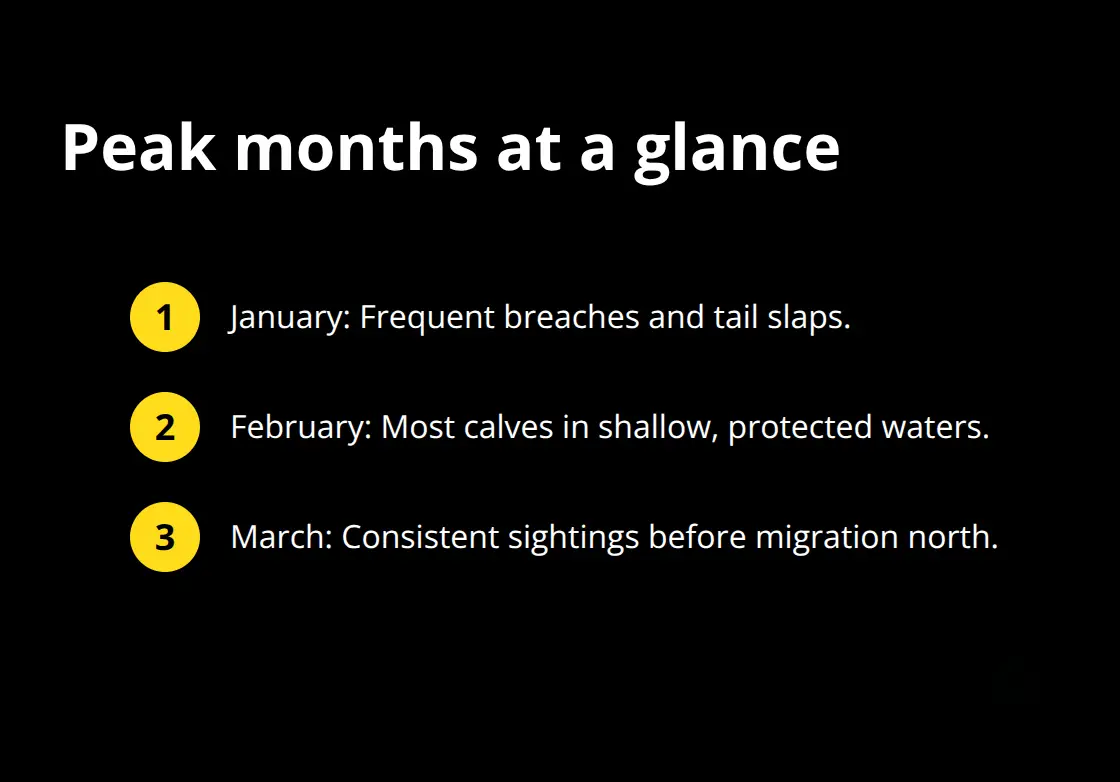
January through March stands as the absolute best window for whale watching on Maui, and there’s no compromising on this timing. Up to 12,000 humpback whales migrate to Hawaii’s waters each winter, with the densest concentration arriving right in the middle of these three months. January kicks off peak season with frequent breaches and tail slaps that make for incredible viewing, but February is when you’ll witness the most calves in the shallow, protected waters near Wailea and Kihei. March remains whale-watching gold before the migration back to Alaska begins in earnest. December can work if you’re flexible, though sightings remain variable and crowds lighter.
If you visit outside this window, you’re essentially gambling on spotting whales, and the odds drop dramatically by April when most mothers and calves have already departed.
Water conditions shape your experience
Calm seas matter more than you might think for both whale spotting and comfort aboard the boat. Morning hours between 7 and 10 AM offer the gentlest ocean conditions and clearest visibility, which means better chances of seeing whale behavior and sharper photos if you’re bringing a camera. Afternoon viewing from 3 to 6 PM can deliver magical golden-hour light, though seas tend to pick up slightly as the day progresses. Water temperature ranges from 74°F to 77°F during peak season, so bring a light jacket or rash guard even though it feels warm in the sun. The Auʻau Channel off Maui’s west coast is where whales concentrate, and this protected area creates the calm conditions that make January through March so reliable for encounters.
Secure your spot well ahead
January fills up fast because it’s peak season and coincides with holiday vacation schedules. Tour operators typically see their boats booked solid weeks in advance during this month. February remains busy but slightly more flexible, and March often has better availability while still delivering consistent sightings. Early booking secures your preferred departure time and boat (we at Maui Snorkel Charters offer Pacific Humpback Whale watches during winter season). If you’re set on a specific date or time slot, try booking at least two weeks ahead. Last-minute cancellations do happen, so calling operators directly sometimes reveals same-week availability, but this approach carries risk during the peak window.
With your timing locked in and your boat reserved, the next step is understanding what actually happens once you step aboard and head out to meet these ocean giants.
What Happens When You Meet the Whales
Spotting whales and reading their behavior
Once your boat leaves the harbor and heads toward the Auʻau Channel, you’ll spend the first 15 to 20 minutes scanning the water for whale activity. Humpbacks surface roughly every 10 to 15 minutes to breathe, so watch for the distinctive tall plume of their blow-that’s your signal a whale is about to appear. When one surfaces, the experience happens fast. You’ll see the massive head break water, then the back, and if you’re lucky, the tail flukes as the whale prepares to submerge again. The most dramatic behavior is humpback whale breaching behavior in Maui waters, where the whale launches nearly its entire 45-foot body out of the water and crashes back down. This happens unpredictably, but between January and March see the most frequent breaches because calves play and mothers stay more active near the surface. Tail slaps and spy hops (where the whale pokes its head straight up to look around) occur regularly too. Long periods of calm water are normal, which is why binoculars matter more than you think.
Understanding whale-watching regulations
The National Marine Fisheries Service requires all boats to maintain at least 100 yards from whales, though whales often approach closer on their own. When they do, the boat must hold position and let the animal control the interaction. Operators with responsible practices, like those approved by Whale Trust, position their boats to maximize sightings without aggressive maneuvering. This approach protects both you and the whales while still delivering unforgettable encounters.
Capturing photos and managing seasickness
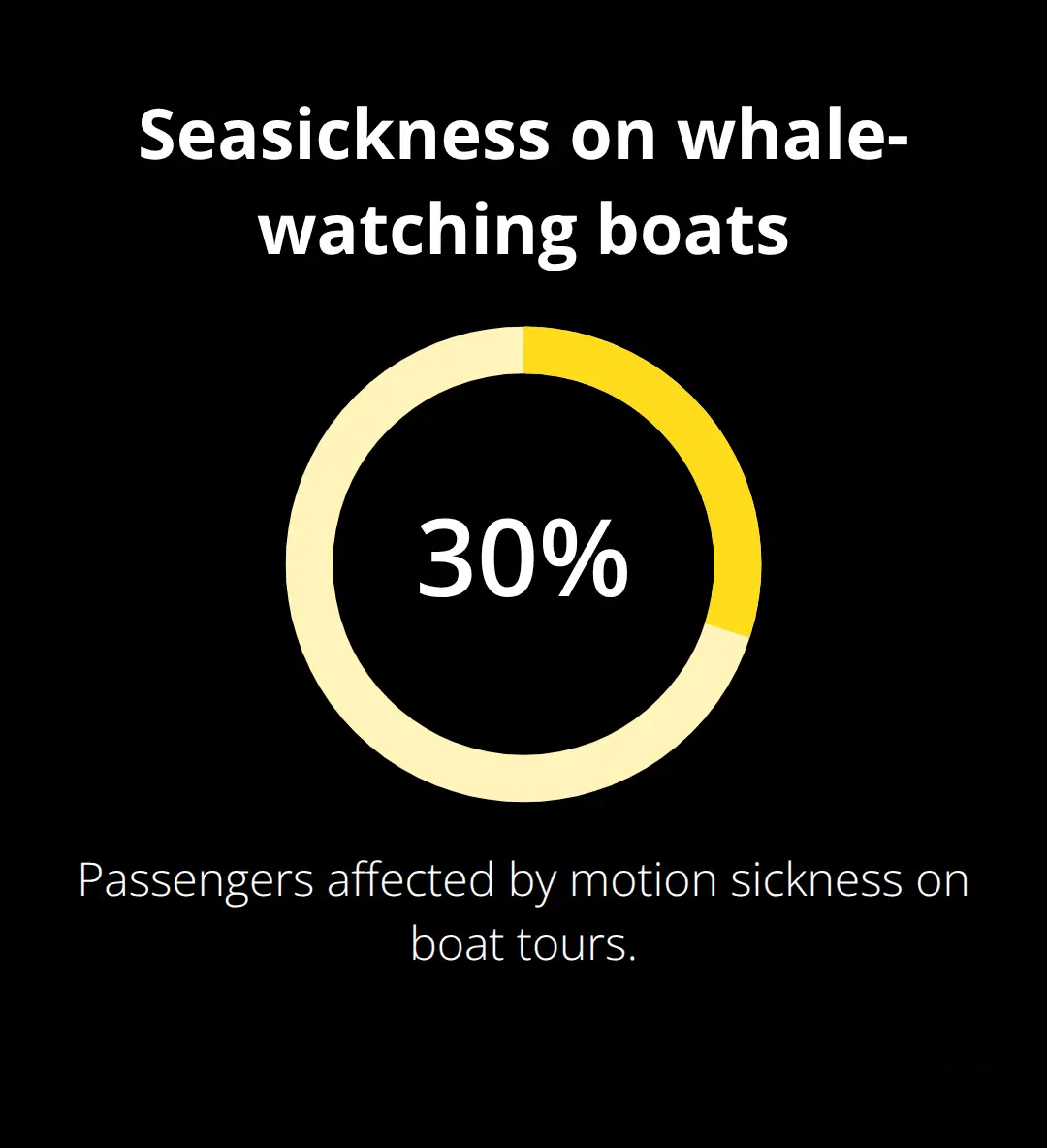
If you’re bringing a camera, shoot in the morning when light is softest and seas are calmest, which means sharper images with less motion blur. Use a zoom lens or telephoto setting rather than trying to get physically closer to the subject. Leave your phone camera for wide landscape shots and use a proper camera for close-ups of whale behavior. Seasickness affects roughly 30 percent of boat passengers, so take ginger supplements or medication before boarding if you’re prone to motion sickness, and eat a light breakfast rather than nothing at all.
Staying safe and comfortable on the water
Stay seated when the boat is moving, keep your balance during turns, and wear the provided life jacket even though it feels unnecessary on a calm day. Never lean over the rail to photograph or film, and absolutely never attempt to swim toward a whale-the Marine Mammal Protection Act prohibits this, and it’s dangerous. Wear layers because ocean spray and wind chill you faster than you’d expect, and apply sunscreen liberally. The sun reflects intensely off the water, and you’ll burn even on cloudy days.
With safety and comfort handled, the next critical decision is selecting the right operator and boat type for your specific needs and preferences.
Picking the Right Operator for Your Whale Watching Tour
Boat size shapes your comfort and viewing distance
Boat size determines both how close you’ll get to whales and how comfortable you’ll feel during the experience. Small rafts and Zodiacs like those operated by Captain Steve’s from Lahaina Harbor deliver the closest views because they sit lower on the water and can maneuver more quickly to follow whale activity, though they offer minimal protection from spray and wind. Mid-sized catamarans between 50 and 65 feet, like those operated by Pacific Whale Foundation, provide a balance of maneuverability and comfort with enclosed cabins and multiple deck levels for viewing.
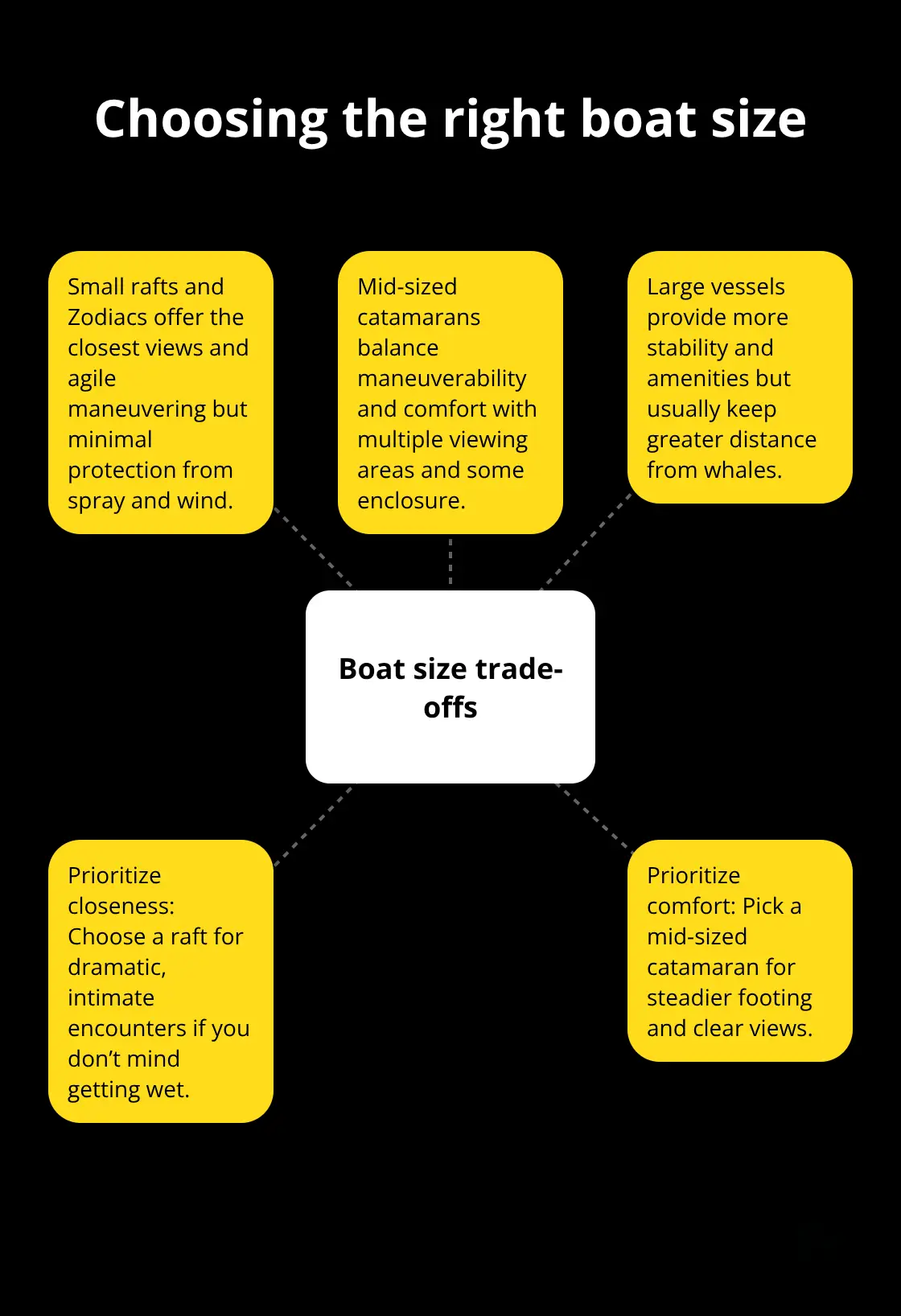
Larger vessels sacrifice closeness for stability and amenities, which matters if rough seas are forecast. The real question isn’t which size is objectively best but which matches your priorities. If you want the most dramatic, intimate whale encounters and don’t mind getting wet, choose a raft. If you prefer comfort and steadier footing while still seeing whales clearly, select a mid-sized catamaran.
Guide expertise transforms passive observation into education
Guide quality separates mediocre tours from exceptional ones because narration transforms whale watching into education. Pacific Whale Foundation operators provide marine biologists and trained naturalists who explain whale behavior and migration patterns. Guides approved by Whale Trust demonstrate commitment to responsible viewing practices and possess the knowledge to spot whale activity before passengers do. Ask operators directly about guide credentials when you book, and read recent reviews on platforms like TripAdvisor or Google specifically mentioning educational content. Tours priced around $39 to $50 per adult typically include guides with solid expertise, while budget operators at $18 to $25 per person may have less specialized training.
Amenities and services enhance your overall experience
Amenities vary significantly across operators and affect your overall satisfaction more than you’d expect. Some tours include hydrophones that let you hear male whales singing underwater, which transforms the experience into something genuinely unique. Others provide continental breakfast, hot coffee, or snacks that prevent hunger-induced grumpiness during long boat rides. Shade structures matter on sunny days, and clean restroom facilities matter on longer excursions. Tours from Lahaina Harbor generally differ from those leaving Kihei or Maalaea in terms of travel time to prime whale habitat and vessel type availability. Lahaina tours often use rafts and smaller boats, while Kihei and Maalaea departures tend toward larger catamarans. Your choice of departure point influences boat type, which circles back to comfort and viewing distance.
Environmental stewardship indicates responsible practices
Operators with strong community involvement and conservation commitments, like those supporting 1% for the Planet, indicate genuine environmental stewardship beyond profit maximization. This matters because responsible operators position boats ethically, maintain proper distances even when whales approach, and educate passengers about marine protection rather than chasing dramatic photo opportunities. Operators who understand the daily conditions can adjust routes based on real-time whale activity and demonstrate their dedication to both whale protection and passenger education, making them reliable choices for your experience.
Final Thoughts
Maui stands apart as one of the world’s premier whale watching destinations because of sheer numbers, accessibility, and the unique geography that concentrates these magnificent creatures in shallow, protected waters. Between 12,000 humpback whales arriving each winter and the Auʻau Channel creating ideal viewing conditions, your chances of witnessing breaches, tail slaps, and calves playing near their mothers are genuinely high during peak season. The combination of reliable sightings, multiple boat options ranging from intimate rafts to comfortable catamarans, and knowledgeable guides transforms a whale watching trip to Maui into something far more memorable than a simple boat ride.
Planning your perfect experience requires three straightforward decisions: book your tour between January and March when whale activity peaks, choose a departure time in early morning for calm seas and clear visibility, and select an operator whose approach aligns with your comfort preferences and values. Whether you prioritize getting close to whales aboard a smaller vessel or prefer the stability and amenities of a larger catamaran, Maui offers options that deliver unforgettable encounters. Read recent reviews focusing on guide quality and educational content, confirm the operator maintains responsible viewing practices, and verify what amenities matter most to you before committing.
We at Maui Snorkel Charters offer Pacific Humpback Whale watches during winter season from our Kihei location, combining small-group experiences with the same commitment to quality and environmental stewardship that defines our year-round snorkel tours. Book your whale watching adventure with us and experience why Maui’s winter waters deliver encounters you’ll describe for years to come.
Call 808-270-8776