
Humpback whales migrate to Maui’s waters every winter, and a whale watching tour in Maui offers some of the most thrilling ocean encounters you’ll experience. Between January and March, these magnificent creatures put on an unforgettable show with breaching, tail slaps, and playful behaviors that’ll leave you speechless.
At Maui Snorkel Charters, we’ve guided thousands of visitors through these magical moments. Whether you’re a first-timer or a seasoned ocean lover, this guide covers everything you need to know to make your whale watching adventure absolutely incredible.
When to Book Your Whale Watching Tour
Peak Season Delivers Real Numbers
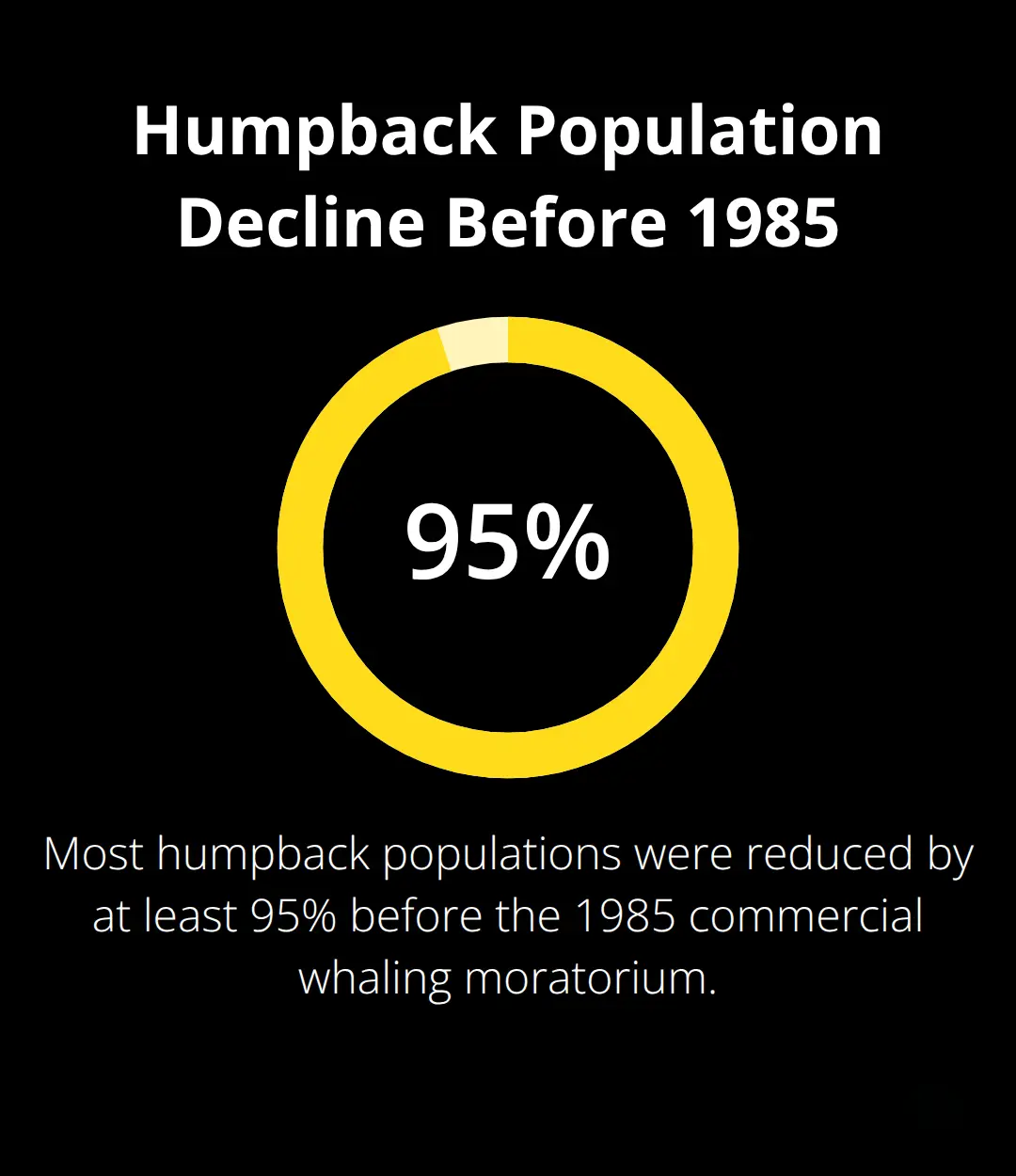
January through March brings the most whales to Maui’s waters, and this isn’t marketing talk. Before a final moratorium on commercial whaling in 1985, all populations of humpback whales were greatly reduced, most by more than 95 percent. Today, between 12,000 and 15,000 whales migrate to Maui each winter, according to industry expert Captain Randy Coon. This massive population means you won’t gamble on sightings during peak season.
What Each Month Offers
January kicks off with high activity as whales establish themselves in Hawaiian waters. February brings calving season when mothers with newborns gather in shallow, protected bays. March delivers what whale watchers call the best overall month because massive numbers combine with favorable Maui weather. If you can travel between mid-January and mid-March, you’ll catch the strongest odds of witnessing breaches and tail slaps that make whale watching truly unforgettable.
Water Conditions Shape Your Experience
Morning departures between 7 and 10 AM offer calmer seas and better visibility since the ocean hasn’t churned up during the day. Late afternoon trips starting around 3 PM work well too, though you’ll trade smooth water for spectacular golden-hour lighting. Skip midday tours if photography matters to you, as glare makes capturing whale moments frustrating.
Booking Strategy Matters
Secure your spot at least two weeks ahead if you want your preferred time slot. Popular operators fill up fast during January and March. If your desired date isn’t available online, call ahead to check alternatives. We at Maui Snorkel Charters offer Pacific Humpback Whale watches during the winter season and can help you find the best available slot that matches your schedule and preferences.
What You’ll Actually See on the Water
Whale Behaviors That Captivate
Humpback whales don’t perform on schedule, but during peak season they surface regularly. When you board a tour, you’re stepping onto a vessel where sightings are guaranteed-if no whale appears, you return free on the next available tour. Whales surface roughly every 10 to 15 minutes after submerging, and when they do, their exhale blows shoot visible vapor plumes that can be spotted from miles away. The real action happens at the surface: breaches where massive 40-ton bodies launch partially out of water, tail slaps that create thunderous splashes, spy hops where whales poke their heads straight up for a look around, and pectoral fin waves that seem almost playful.
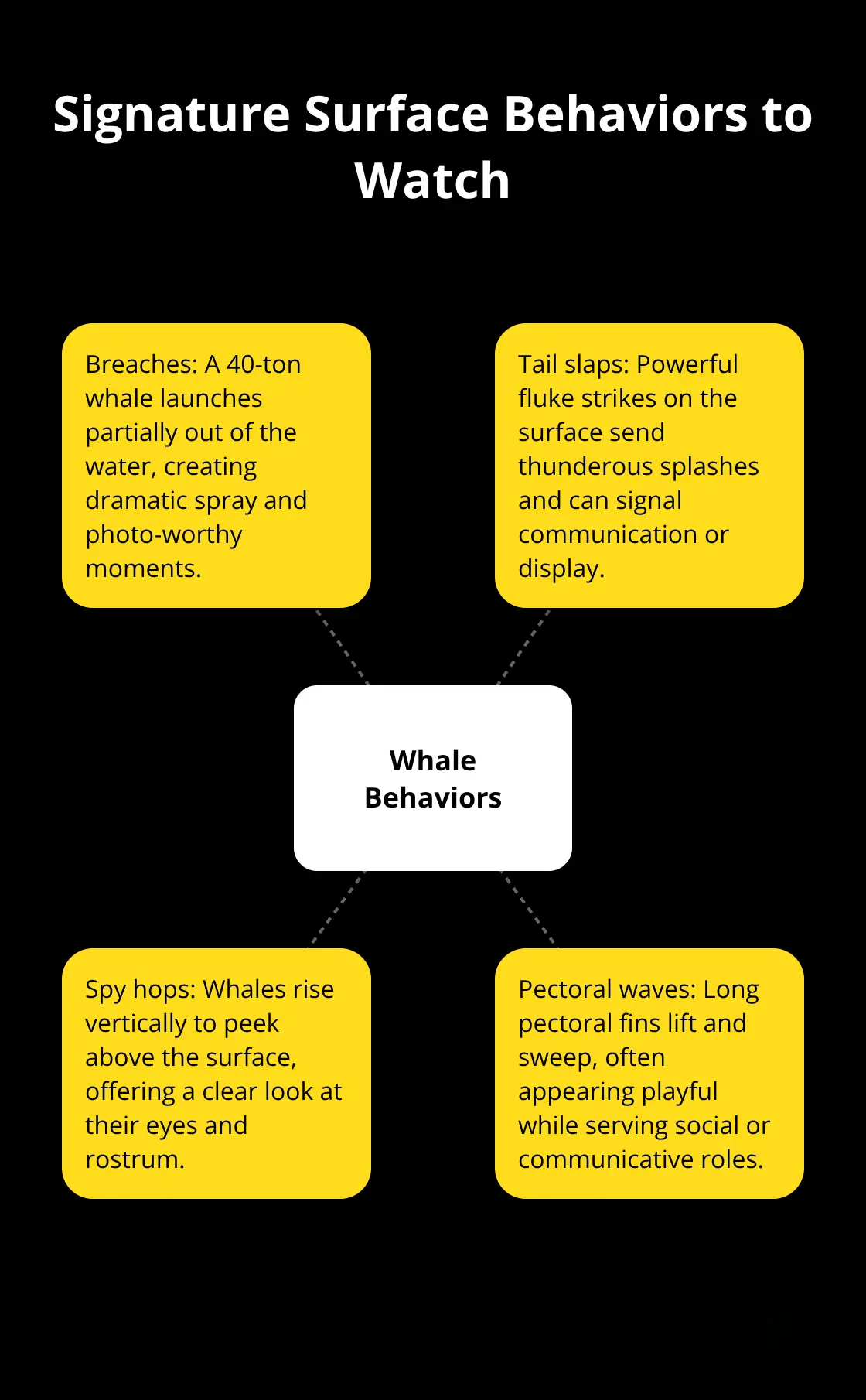
These aren’t random displays-they’re communication, courtship, and mother-calf bonding unfolding in real time in front of you.
Federal Regulations and Safe Distances
Federal regulations require boats to maintain at least 100 yards from whales, though if a whale approaches closer on its own, your captain will hold position and let the encounter unfold naturally. This distance still allows clear viewing and photography, especially with binoculars or a zoom lens. The regulation exists to protect these magnificent creatures while still offering you an incredible experience. Your captain understands these rules intimately and positions the boat to maximize what you’ll witness without crossing legal or ethical boundaries.
Expert Narration Transforms the Experience
Expert narration transforms a whale sighting into genuine education rather than just spectacle. Your guide will explain why these North Pacific humpbacks traveled roughly 3,000 miles from Alaskan feeding grounds to Hawaiian breeding waters, what the different vocalizations mean (males sing complex songs lasting up to 20 minutes), and why February mothers with newborns stay in shallow protected bays while January brings competitive groups of males chasing single females. Many tours include underwater hydrophones so you can hear whale songs directly-a haunting, otherworldly experience that photos and videos simply cannot capture. The crew handles boat positioning strategically, anticipating whale movement patterns based on decades of local knowledge and daily observations.
Strategic Positioning and Local Expertise
Your captain will move to likely paths where whales surface, wait patiently rather than chase, and adjust course based on wind and current conditions that affect where whales congregate. This professional approach means you’re not randomly hoping to spot something-you’re actively hunting for whales with people who understand their behavior intimately and know Maui’s waters better than anyone else on the island. The crew’s experience translates into moments you’ll remember for the rest of your life. As you prepare for these encounters, knowing what to bring and how to stay comfortable on the water becomes essential to fully enjoying what unfolds before you.
Gear Up for Success on the Water
Dress in Layers for Unpredictable Ocean Conditions
Ocean temperatures fluctuate dramatically, so layers protect you from morning chill and afternoon warmth. Start with a lightweight long-sleeve shirt that blocks UV rays, add a fleece or windbreaker for the boat ride, and wear shorts or quick-dry pants. Reef shoes or water sandals grip wet decks far better than flip-flops, which will cause you to slip when the boat rocks. A wide-brimmed hat protects your face and neck, while polarized sunglasses cut glare and help you spot whale blows more easily-bring a strap to keep them secure when spray hits your face. Pack a light waterproof jacket because Pacific swells send spray across the bow, especially on morning departures when seas chop more aggressively.
Protect Your Skin from Intense Ocean Reflection
Sunscreen matters far more than most people realize. Reflected UV off ocean water intensifies sun exposure compared to land, meaning you’ll burn faster than expected even with cloud cover. Apply reef-safe sunscreen with at least SPF 30 before boarding, then reapply every two hours and bring extra in your bag since the crew won’t have enough for everyone. This single step prevents painful burns that ruin your vacation and cause long-term skin damage.
Prevent Seasickness Before It Starts
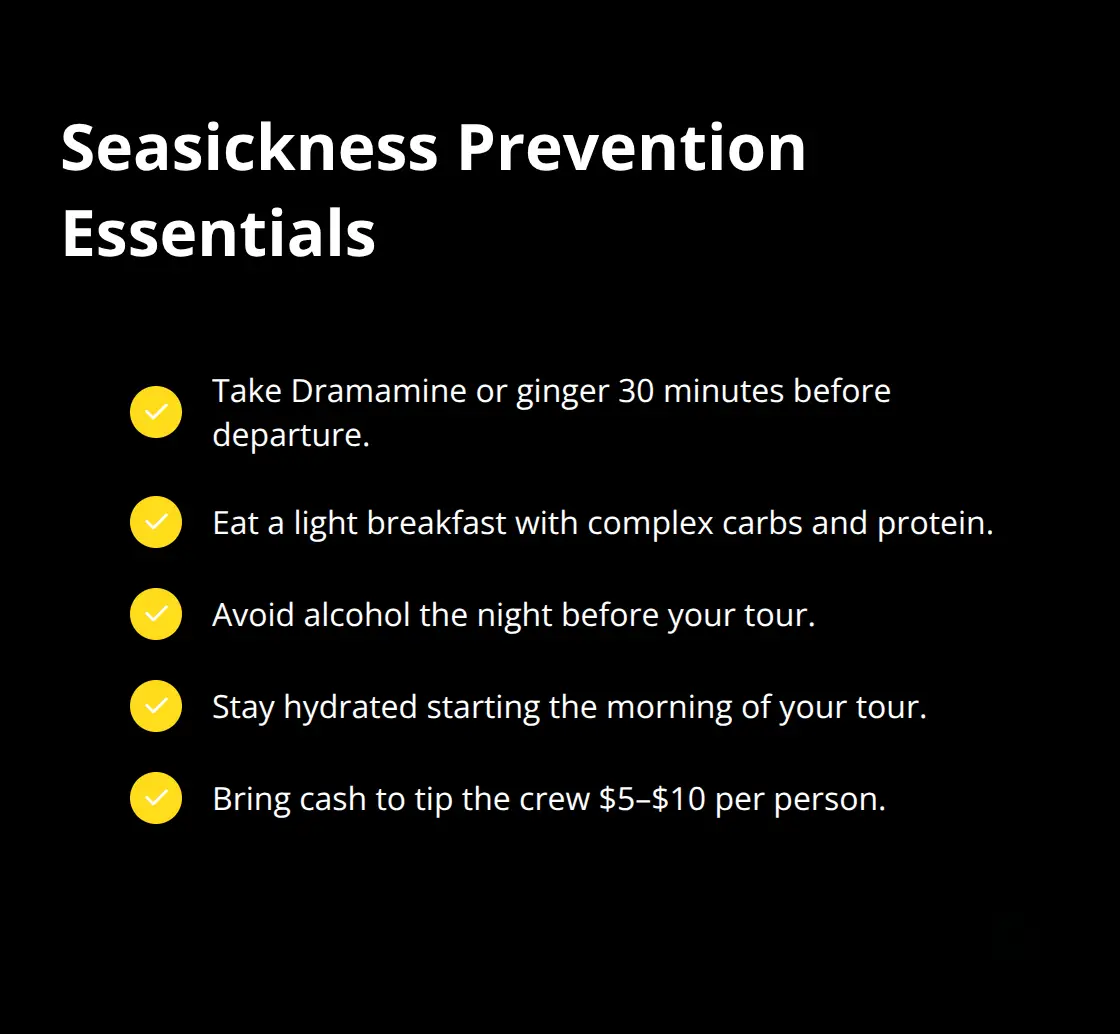
Dramamine or ginger supplements help prevent seasickness when taken 30 minutes before departure-waiting until you feel queasy proves far less effective. Eat a light breakfast with complex carbs and protein rather than greasy food, which sits heavy in your stomach during boat motion. Avoid alcohol the night before and stay hydrated starting the morning of your tour, since dehydration amplifies seasickness symptoms significantly. Bring cash for tipping crew members (typically $5 to $10 per person depending on your experience quality).
Capture Whale Moments with Proper Photography Gear
Bring a camera with a zoom lens of at least 300mm because whales surface unpredictably and you’ll miss shots if you’re adjusting settings. A polarizing filter cuts water glare and enhances whale details in your photos dramatically. Shoot in burst mode when you spot a breach or tail slap, since whales move fast and single-shot captures rarely catch peak moments. Bring a waterproof bag or dry case for electronics since salt spray corrodes equipment quickly. If using a phone camera, position yourself on the upper deck where you’ll see whales first and have better angles than lower deck passengers.
Master Composition and Lighting Techniques
Most whale watching tours last around two hours, which gives you roughly 100 to 120 minutes to practice composition before the main event happens. Position yourself on the side of the boat facing into the sun during morning tours because backlighting creates silhouettes rather than detail shots. Late afternoon tours offer golden-hour lighting that flatters whale photography naturally, so if you’re serious about images, try booking an afternoon departure instead of chasing the morning calm-water advantage. Put the camera down occasionally and simply watch the whales rather than experiencing everything through a lens.
Final Thoughts
A whale watching tour in Maui creates memories that stay with you forever. Watching a 40-ton humpback breach beside your boat, hearing their haunting songs through an underwater hydrophone, or spotting a mother nursing her newborn calf in shallow waters transforms how you see the ocean. These genuine encounters with wild animals in their winter breeding grounds rival any experience you’ll find anywhere else on Earth.
Responsible whale watching protects these magnificent creatures for future generations. Federal regulations requiring 100-yard distances exist because whales matter, and your captain respects these boundaries completely. Never approach whales on your own, avoid sudden loud noises, and let your guide handle all positioning decisions-when you book with experienced operators who understand marine life behavior, you support conservation efforts that keep these populations thriving.
We at Maui Snorkel Charters offer Pacific Humpback Whale watches during winter season alongside our year-round snorkel adventures. Whether you combine whale watching with snorkeling at Molokini Crater or dedicate your trip entirely to winter whale encounters, contact us to plan an ocean adventure that exceeds your expectations.
Call 808-270-8776