
Winter transforms Maui into the humpback whale capital of Hawaii, with thousands of these magnificent creatures migrating to our warm waters between January and March. At Maui Snorkel Charters, we’ve watched countless guests experience the thrill of seeing these gentle giants up close.
Whale watching tours on Maui offer an unforgettable adventure, but timing, preparation, and choosing the right operator make all the difference. This guide walks you through everything you need to know for an incredible experience.
When to Go Whale Watching on Maui
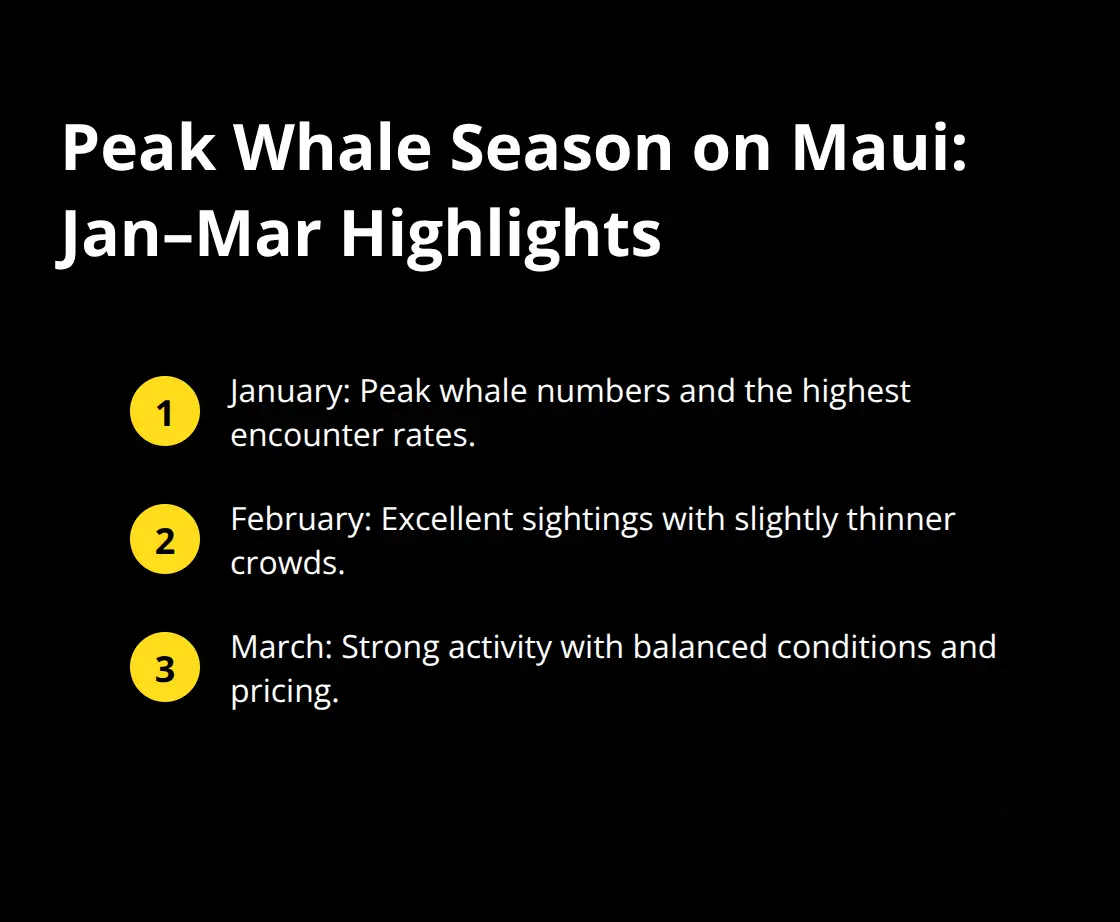
Humpback whales arrive in Hawaiian waters around November, but they don’t reach peak numbers until January. From January through March, you’ll find the highest concentration of whales, with more than 12,000 humpback whales visiting Hawaiian waters according to marine research. This three-month window offers you the best odds of multiple sightings on a single tour. January stands out statistically-many operators report that whale encounters happen on nearly every trip during peak season. February and March remain excellent, though slightly less crowded than January. Try mid-January through mid-March to balance whale activity with manageable crowds and reasonable accommodation pricing.
Winter Ocean Conditions Work in Your Favor
Winter seas around Maui tend to be calmer on the south and west coasts where most tours depart, which means better visibility underwater and more stable boat rides.
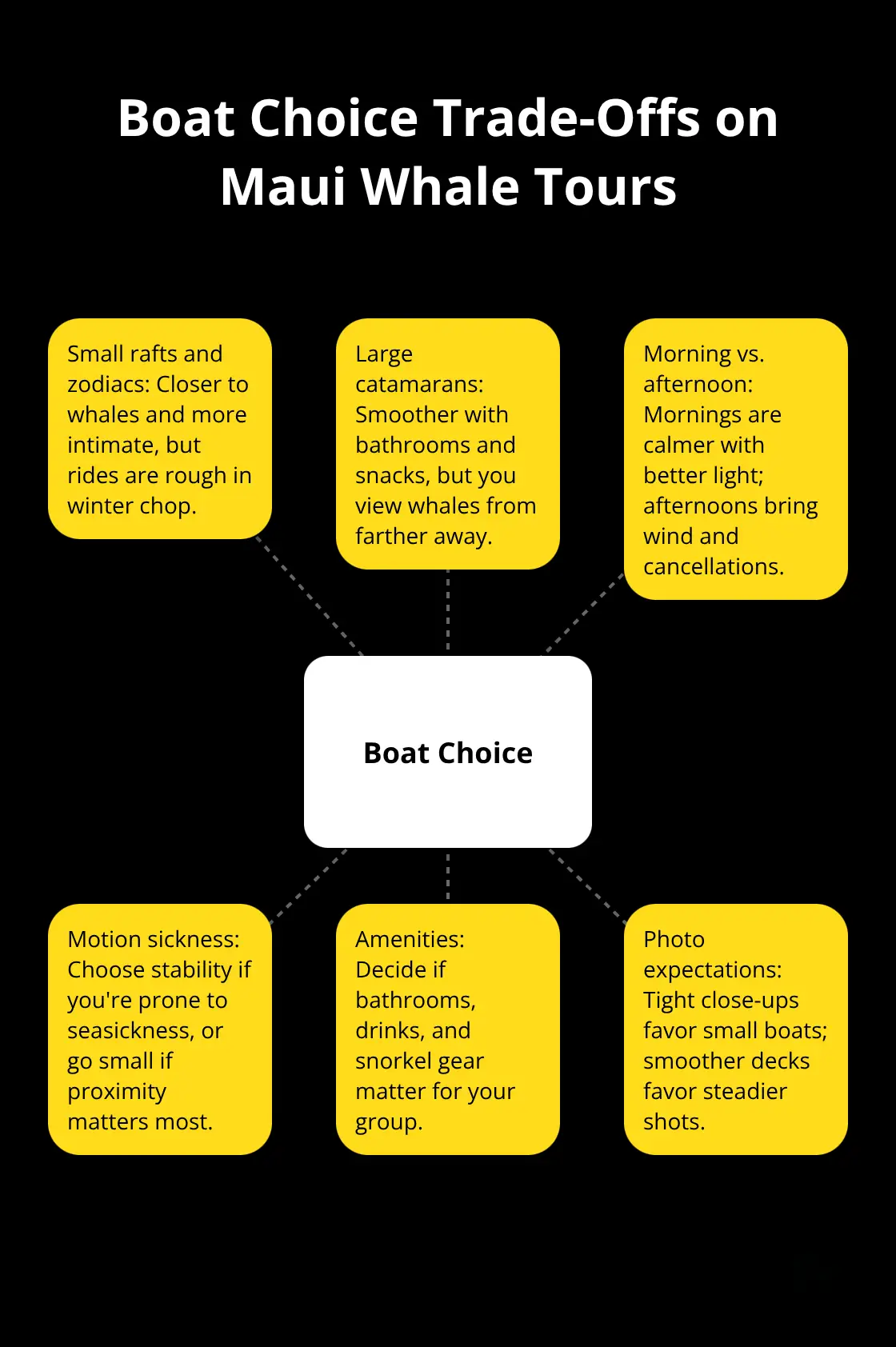
Morning departures typically offer the calmest conditions and clearest light for photography. Afternoon winds can pick up significantly, making the water choppier and reducing visibility. Visibility generally ranges from 60 to 100 feet in winter months, though this varies daily based on weather and wave action. Smaller vessels like rafts and zodiacs get you closer to whales but offer rougher rides in choppy conditions, while larger catamarans provide smoother experiences with fewer amenities. Bring a jacket-the sun is stronger on the water, but ocean winds make it surprisingly cool, especially on faster boats.
Weather Patterns Drive Real Schedule Changes
Unpredictable winter swells and wind can force operators to cancel or reschedule tours, sometimes with just hours’ notice. Sightings aren’t guaranteed every single day, which is why flexible itineraries matter more than booking a single fixed tour date. If you visit for a week, scheduling two or three separate whale-watching opportunities dramatically increases your chances of getting out on the water and seeing whales. Morning departures face lower cancellation rates than afternoon trips. Tours that combine whale watching with snorkeling may reduce whale sightings compared to dedicated whale-watch-only tours, so prioritize your preference when booking. Understanding these weather realities helps you select the right operator and tour type for your specific goals.
What You’ll Actually See and How to Behave on the Water
Humpback whales dominate Maui’s winter waters, but they’re far from the only marine life you’ll encounter on a tour. Spinner dolphins frequently appear alongside whales, and you might spot sea turtles, monk seals, or reef fish depending on your route and boat type. Humpbacks typically show themselves through their blowholes first-look for tall plumes of vapor shooting 10 to 15 feet into the air. Once they surface, you’ll see their distinctive humped backs, massive flukes, and occasionally breaching behavior where they launch their bodies partially out of the water.
Male humpbacks sing underwater, and some tours use hydrophones so you can hear their haunting songs directly through the boat’s speakers. The Pacific Whale Foundation has documented that humpback whales travel the longest ocean crossings of any whale species, migrating thousands of miles between Alaska and Hawaiian waters. Spinner dolphins earned their name from spinning barrel-rolls in the water, and seeing them alongside whales creates an unforgettable double sighting. Weather, time of day, and boat positioning all affect what you’ll see-morning tours with calmer seas typically offer better viewing than rough afternoon conditions.
Respect the 100-Yard Rule and Stay Seated
Federal law prohibits boats from approaching within 100 yards of a whale, though whales often close that distance themselves out of curiosity. Captains position vessels along the whales’ likely paths rather than chasing them, which protects the animals and actually improves your viewing odds. Don’t lean over railings, make sudden movements, or shout when whales surface-these actions startle them and can trigger unpredictable behavior. Most reputable operators enforce strict quiet protocols during sightings.
Smaller rafts and zodiacs get you closer to whales than large catamarans, but rough ocean conditions make them rockier platforms, so secure loose items and hold handrails. Larger boats offer smoother rides with fewer dramatic encounters, trading proximity for stability. Sunscreen, hats, and sunglasses are essential because glare off the water intensifies UV exposure dramatically. Bring a light jacket even if January feels warm on land-wind chill on the water drops the effective temperature 15 to 20 degrees, especially on faster-moving vessels.
Camera Settings Beat Expensive Equipment
Your smartphone camera captures excellent whale photos if you use portrait mode or telephoto settings to compress distance and reduce water blur. Fast shutter speeds matter more than camera cost-try 1/500th of a second or faster to freeze whale movement. Zoom in tight on whale features rather than trying to capture the whole animal with ocean background, which produces distant, unimpressive shots. Stabilize your phone against the boat railing or use a simple phone holder clipped to your life jacket.
Professional photographers favor cameras with fast autofocus and continuous shooting modes, but most memorable whale photos come from steadiness and timing rather than expensive equipment. Avoid using flash, which doesn’t reach distant whales and startles marine life. The best time to photograph is when whales breach or tail-slap-these dramatic behaviors last only seconds, so keep your camera ready during active sightings. Morning light creates better contrast than afternoon glare bouncing off choppy water.
What Happens Next Depends on Your Boat Choice
The vessel you select shapes your entire experience. Smaller operators like those running rafts and zodiacs position you for intimate encounters but deliver rougher rides and fewer onboard amenities. Larger catamarans provide bathrooms, snacks, drinks, and snorkeling gear for combo tours, though you’ll view whales from greater distances. Some tours combine whale watching with snorkeling or Lanai day trips, which may reduce whale sightings compared to dedicated whale-watch-only tours, so prioritize your preference when booking. Your choice between proximity and comfort determines whether you’ll accept that some of your best memories won’t translate to photos-occasionally put the camera down to just watch and absorb the experience, then move forward to selecting the right operator for your goals.
Choosing the Right Whale Watching Operator
Selecting an operator isn’t about finding the objectively best company-it’s about matching your comfort level, budget, and viewing preferences to what each boat actually delivers. Larger operators like PacWhale Eco-Adventures and Trilogy Excursions dominate Maui’s whale-watching market, but bigger doesn’t mean better for your specific situation. PacWhale operates as a subsidiary of the Pacific Whale Foundation, meaning 100% of profits fund their research, science, and advocacy work-a genuine conservation model rather than typical corporate structure. If environmental responsibility drives your booking decision, this matters substantially.
Size Shapes Your Experience
Smaller boats with 6 to 30 passengers deliver more intimate viewing experiences than larger vessels carrying 100+ passengers, which dilutes the experience and creates crowding on railings during active sightings. Smaller operators running rafts and zodiacs position you closer to whales but deliver rougher rides that leave some passengers queasy in choppy winter conditions. Size directly affects what you’ll remember most about your tour-proximity to whales or comfort aboard the vessel. Your tolerance for motion sickness and preference for solitude versus social atmosphere should influence this choice heavily.
Pricing and Tour Length Matter
Combo packages combining whale watching with Lanai day trips or snorkeling run around $300 per person through major operators, while dedicated whale-watch-only tours typically cost $100-200 per person. Shorter tours lasting two to three hours cost less than full-day excursions, though they reduce your time on the water and lower sighting odds. Morning departures consistently outperform afternoon trips due to calmer seas and lower cancellation rates-try these when booking. Tours with onboard naturalists, like those led by Pacific Whale Foundation’s Certified Marine Naturalists, integrate decades of research into interpretation, transforming a simple sighting into educational context about migration patterns, communication, and conservation threats. Conversely, some budget operators skip naturalist narration entirely, leaving you to figure out what you’re watching.
Conservation Standards Separate Operators
The Go Slow-Whales Below safety protocol represents a genuine commitment to whale protection-ask operators specifically if they follow this standard. Operators who understand local waters can adjust routes based on real-time whale activity and maintain distance to minimize disturbance and protect wildlife, which actually improves your viewing odds since whales respond better to respectful positioning. Tours led by marine naturalists who integrate conservation education create richer experiences than basic sightings without context. Environmental responsibility isn’t just feel-good marketing; it directly correlates with better whale behavior and more memorable encounters.
Verify Before You Book
Check recent reviews mentioning actual sightings and passenger comfort rather than relying on marketing claims. Popular winter slots fill quickly across all operators, so book your preferred dates immediately once you’ve selected your operator. Ask about cancellation policies since winter weather forces rescheduling frequently-operators offering flexible rebooking without penalties protect your investment better than rigid policies.
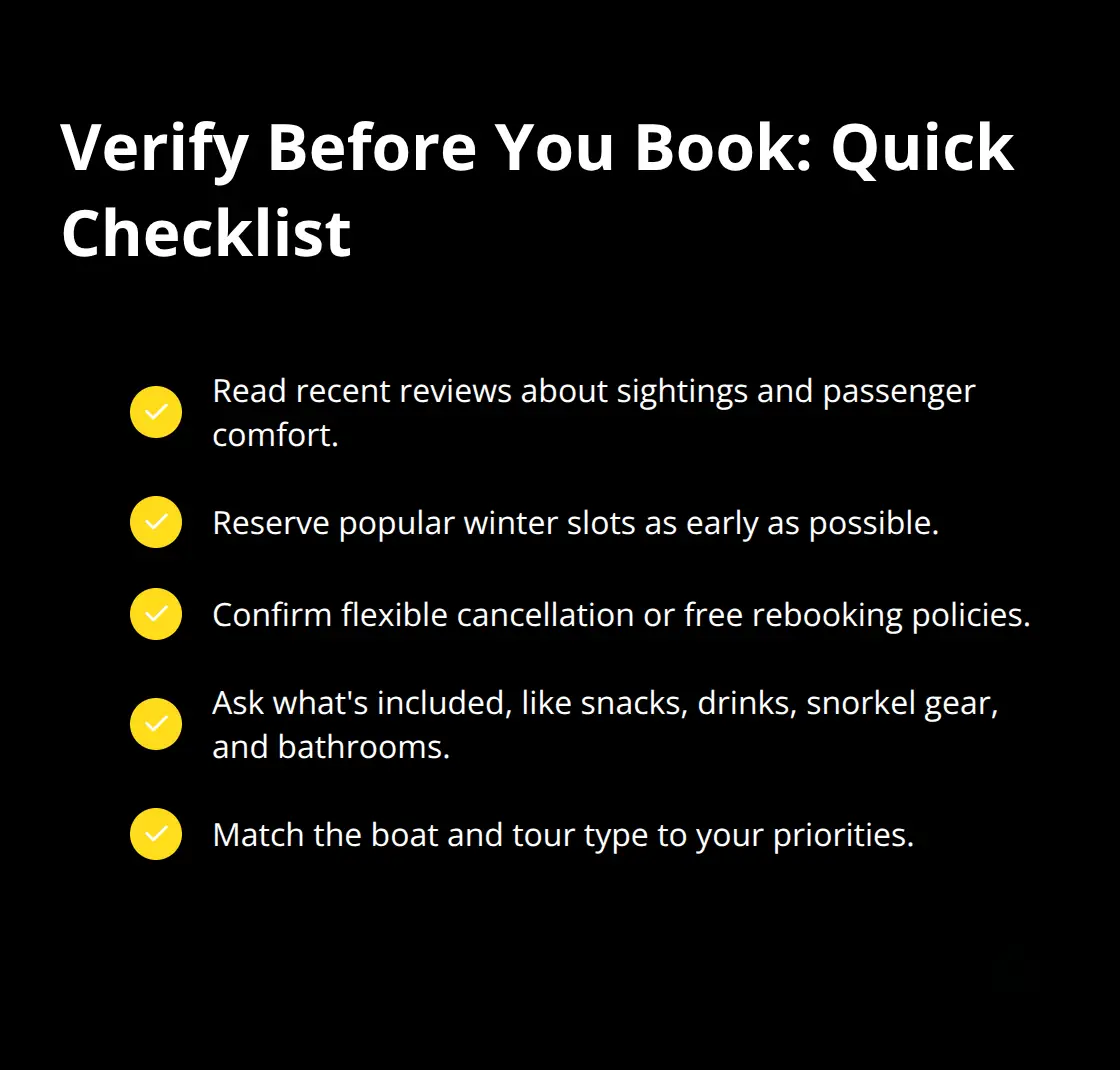
Confirm what’s included (snacks, drinks, snorkeling gear for combos) and whether the boat has bathrooms, which matters on longer excursions. Your final choice should reflect your honest priorities, not what sounds impressive to friends back home.
Final Thoughts
Whale watching tours on Maui deliver genuine magic that photos and stories can’t fully capture. You’ll witness humpback whales breaching, hear their underwater songs through hydrophones, and possibly spot spinner dolphins spinning alongside them. Winter transforms Maui’s waters into a stage where thousands of these migrating giants perform their annual journey, and being on the water during this season puts you directly in the middle of one of nature’s most spectacular events.
Planning your whale watching adventure requires honest decisions about what matters most to you. Smaller boats get you closer to whales but deliver rougher rides, while larger catamarans offer comfort and amenities at the cost of distance. Morning departures consistently outperform afternoon trips due to calmer conditions and lower cancellation rates, and booking multiple tours across your stay dramatically increases your odds of getting on the water since winter weather forces occasional rescheduling.
Environmental responsibility matters too-operators following conservation protocols actually improve your viewing experience because whales respond better to respectful positioning. Whether you’re booking with us at Maui Snorkel Charters or another operator, prioritize recent reviews mentioning actual sightings, confirm cancellation policies that protect your investment, and ask about what’s included before committing. Your whale watching memory will depend far more on matching your preferences to the right boat than on spending the most money.
Call 808-270-8776