
Humpback whales migrate to Hawaiian waters between November and April, and whale watching in Maui Hi during these months offers some of the most incredible ocean encounters you’ll experience. We at Maui Snorkel Charters know that timing your visit right makes all the difference in spotting these magnificent creatures.
This guide walks you through everything you need to know-from peak season months to the behaviors you’ll witness, plus how to choose a tour operator that prioritizes both your safety and unforgettable memories.
When to Book Your Whale Watch
January Through March: Your Prime Window
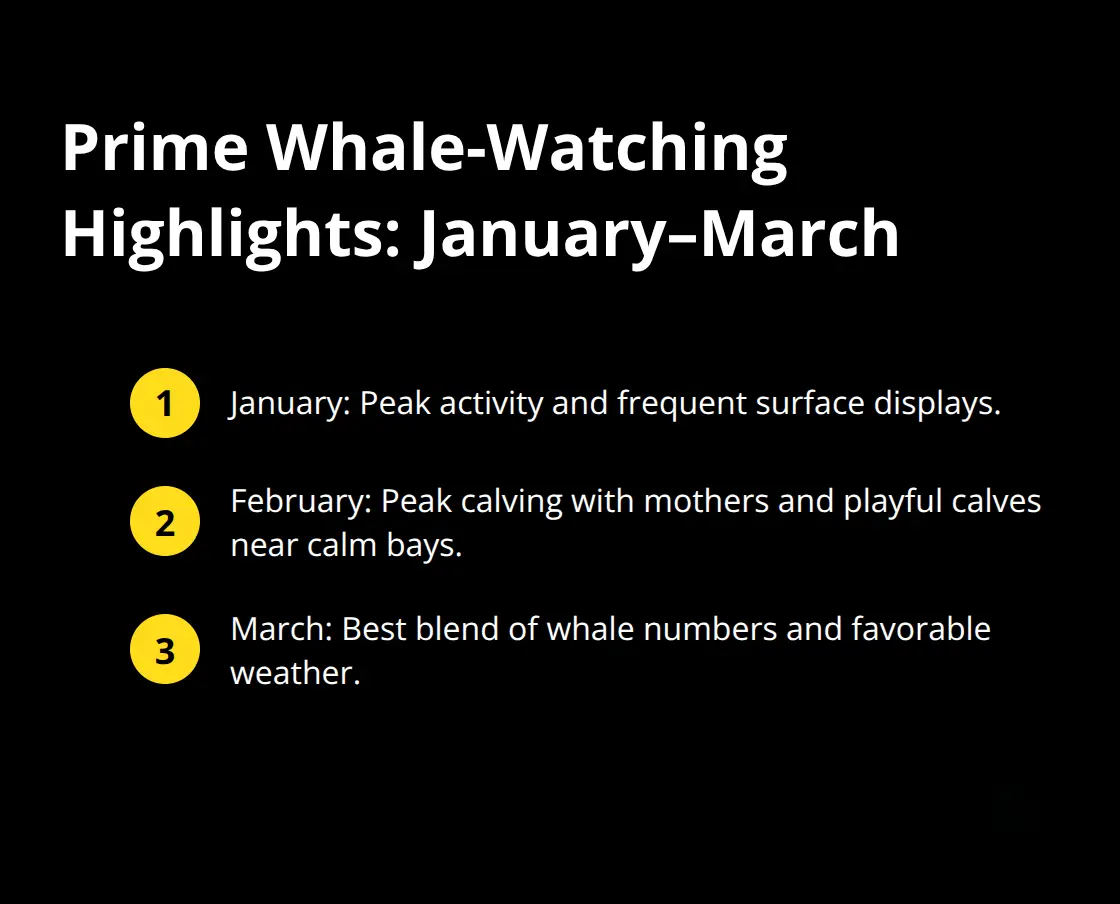
January through March stands out as the absolute best window for whale watching in Maui, and solid data backs this up. During these three months, about 6,000 to 11,000 humpback whales make the trip to Hawaiʻi each year, and they concentrate heavily in the shallow waters off Maui’s western shores. January marks peak season with whales everywhere-breaches, tail slaps, spy hops-making it ideal for first-timers and photographers. February brings peak calving season, meaning you’ll see mothers with newborn calves near calm coastal bays like Wailea and Maʻalaea Bay, with calves often practicing breaches alongside their mothers. March typically delivers the best overall combination of whale numbers and favorable weather, making it the sweet spot for combining whale watching with other Maui activities like hiking or snorkeling.
If you’re flexible with dates, try to arrive between mid-January and mid-March for the highest probability of memorable encounters. Early morning departures between 7 and 10 AM offer the calmest seas and best visibility, though afternoon tours from 3 to 6 PM deliver golden-hour lighting and often renewed whale activity as the day cools.
November and April: Proceed With Caution
November sees early arrivals of mature males, but sightings remain inconsistent and crowds are lighter if solitude appeals to you. December brings more reliable sightings as mothers and calves begin appearing, making it a solid second choice if January-March dates don’t work. April signals the migration back to Alaska-mothers and calves linger, but sightings decline significantly as the month progresses, so book early-morning tours near shore if you go this late.
Why the Season Follows This Pattern
The migration itself happens because humpback whales migrate from Alaska to Hawaiʻi-they can complete the 3,000 mile trip in as few as 28 days, and Maui’s warm shallow waters create ideal conditions for mating, calving, and nursing. Water temperature alone drives this pattern-the channel stays calm and warm enough for vulnerable newborns during winter months, which is why the season never shifts significantly year to year. May through October are completely off-season for humpback whales in Hawaiian waters, so you’ll want to save these months for waterfalls, rainforest hikes, and Haleakalā exploration instead.
With the timing locked in, the next step is understanding what you’ll actually see out on the water-and knowing the difference between a breach and a tail slap makes the experience far more rewarding.
What You’ll Actually See on the Water
Identifying Humpback Whales and Their Signatures
Humpback whales are massive animals-typically 40 to 50 feet long and weighing up to 40 tons-so spotting one becomes unmistakable once you know what to look for. The first sign is usually a tall vapor plume that shoots up from their blowhole as they surface to breathe, which happens roughly every 10 to 15 minutes. The whales you see in Maui waters are specifically Megaptera novaeangliae, identifiable by their long pectoral fins, knobby head, and distinctive white markings on their undersides that vary from whale to whale like fingerprints.
Behaviors That Steal the Show
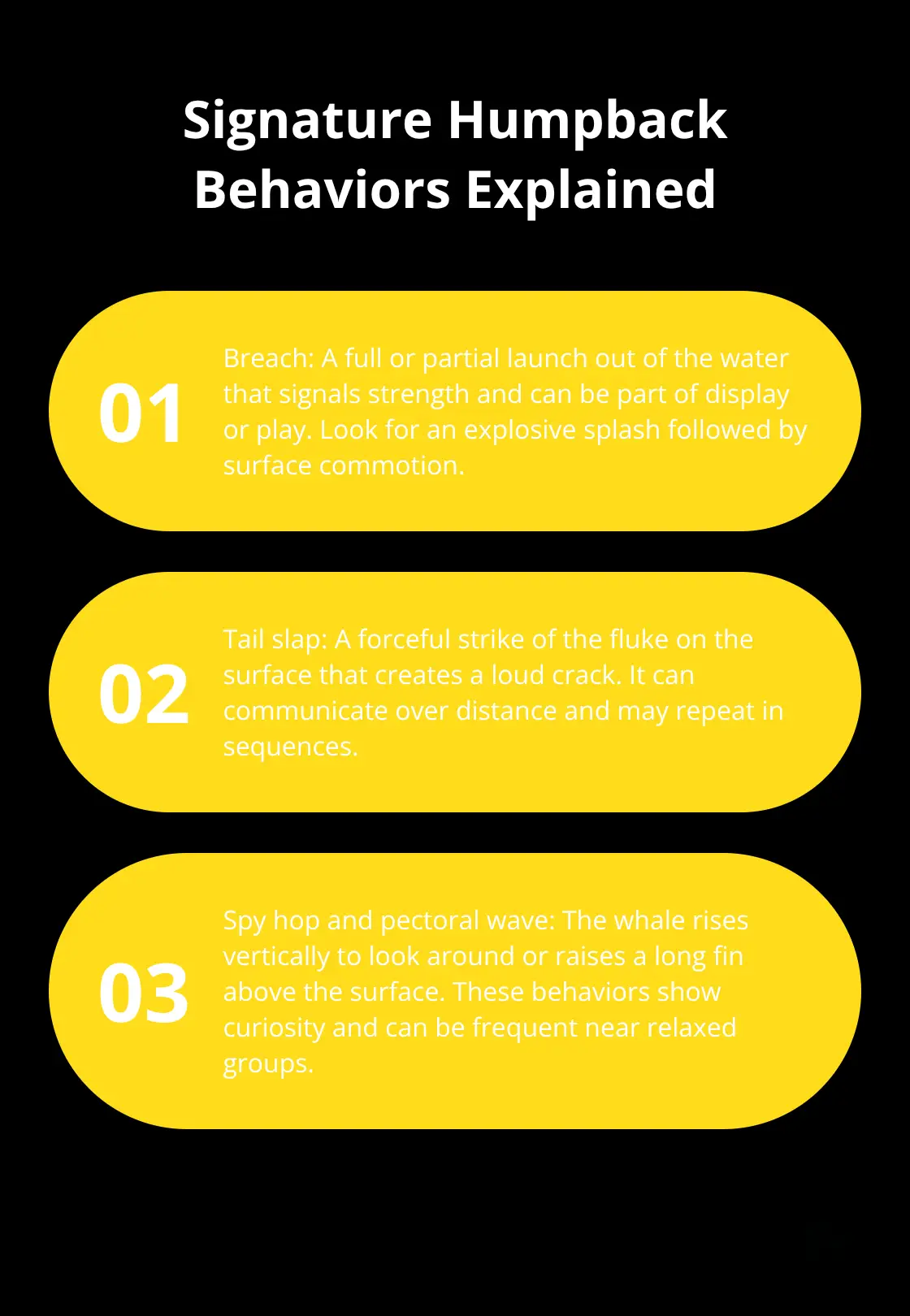
From the surface, you might witness breaches where they launch their entire body out of the water, tail slaps that create thunderous splashes audible from far away, spy hops where they lift their head vertically to look around, or pectoral fin waves where they raise their long fins above the surface. February through April offers the highest probability of seeing mothers with calves practicing these behaviors, since newborns are naturally playful and exploratory. Each behavior tells a story-a breach signals strength, a tail slap communicates across distances, and a spy hop satisfies curiosity about the world above water.
Other Cetaceans You Might Encounter
While humpback whales dominate the winter season, other cetaceans inhabit Hawaiian waters year-round, though you’re far less likely to encounter them during a winter whale watch. Spinner dolphins are common, recognizable by their smaller size and tendency to spin repeatedly as they jump, and they often travel in pods of 50 to several hundred individuals. Pilot whales, false killer whales, and bottlenose dolphins appear occasionally, but humpbacks remain the reliable stars from November through April.
The Underwater Symphony
If you take an underwater hydrophone tour with operators like Pacific Whale Foundation, you’ll hear humpback whale songs that sound like haunting musical sequences-something most land-based whale watching cannot offer. The songs change yearly and travel between populations, so what you hear in February might be completely different from what you heard the previous season. This acoustic experience transforms a visual encounter into something far more intimate and memorable.
Tour Duration and Logistics
Tours departing from Maʻalaea Harbor or Lahaina typically last around two hours, which is enough time to position you for multiple whale encounters if they’re present in the area that day. The reality on the water is straightforward: you’re there to see humpbacks, and everything else is bonus. Understanding what behaviors mean and what other species you might spot sets the stage for choosing the right tour operator-one that maximizes your chances of these unforgettable moments.
Picking the Right Operator for Your Whale Watch
What Separates Quality Operators From the Rest
The difference between a forgettable whale watch and a genuinely transformative one comes down to who runs the boat. Operators vary wildly in their approach to safety, narration quality, and how they position vessels around whales. Pacific Whale Foundation stands out as the gold standard on Maui because their whale sighting rate reflects years of marine research expertise, not luck. Their Certified Marine Naturalists provide research-backed interpretation rather than generic commentary, and 100% of profits fund their ocean conservation work, so your ticket directly supports ongoing whale protection efforts. The foundation’s Go Slow – Whales Below protocols minimize disturbance to animals, which matters ethically and practically-respectful positioning often yields better sightings than aggressive pursuit.
Comfort and Capacity Matter More Than You Think
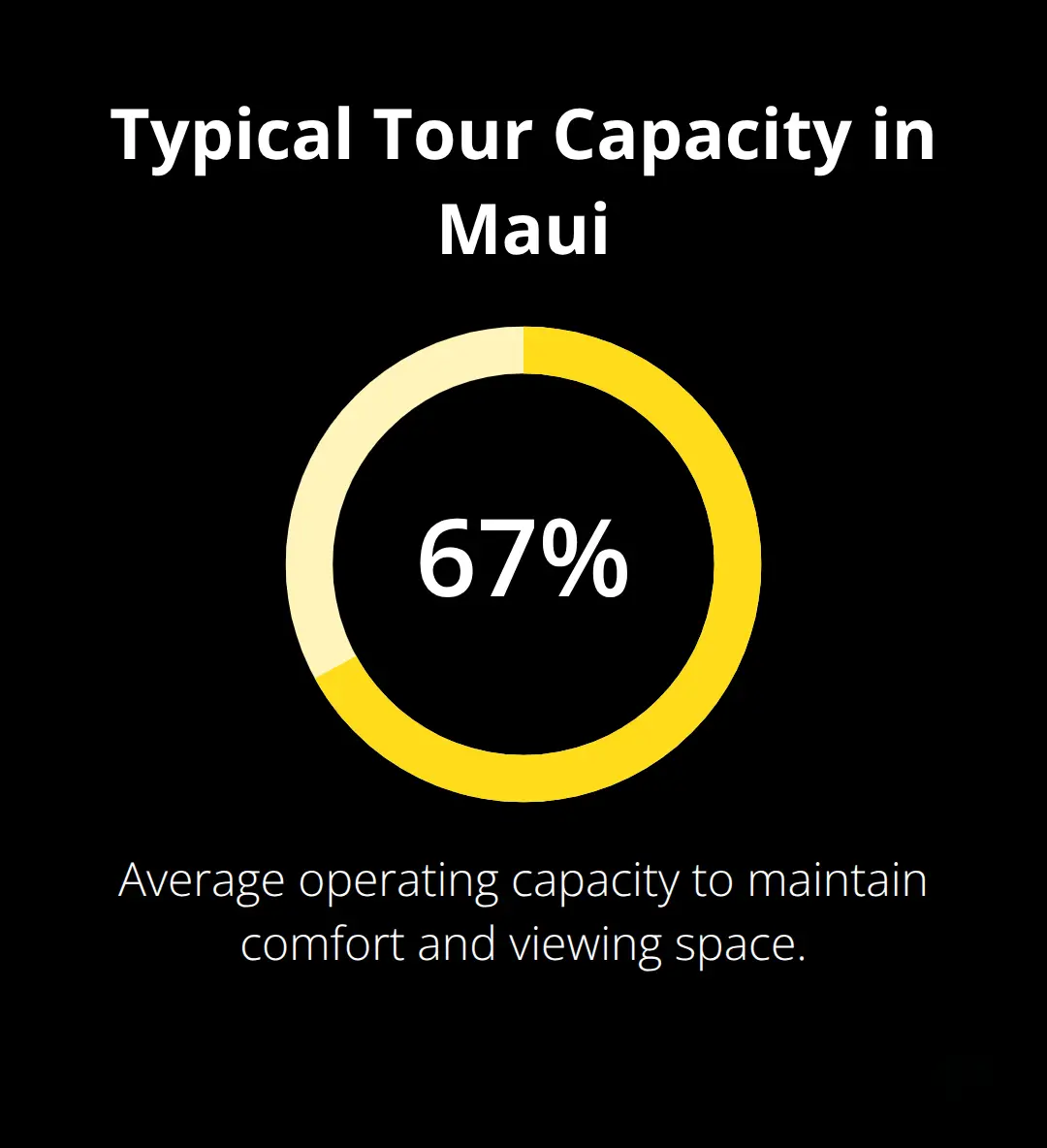
Tours run at approximately 67% of maximum capacity, meaning you get breathing room and genuine comfort rather than sardine-can conditions. Vessel size affects your experience significantly.
Smaller boats with 6 to 30 passengers deliver dramatically better viewing than massive vessels, while larger catamarans provide stability and amenities like onboard snacks and reef-safe sunscreen. Smaller rafts offer intimacy but rougher rides that affect seasickness risk and photography quality. Two-hour tours represent the industry standard, which provides sufficient time for multiple whale encounters if animals are present that day.
Location and Logistics Shape Your Success
Maui operators depart from Lahaina or Maʻalaea Harbor, though Maʻalaea positions you closer to the shallow Auʻau Channel where humpbacks concentrate annually. Check-in at Maʻalaea Harbor requires arriving 45 minutes early, which feels like a hassle until you realize this buffer eliminates rushing and gives you time to ask naturalists questions before departure. Hydrophone tours let you hear underwater whale songs, transforming what could be a visual-only experience into something acoustic and deeply memorable.
Pricing, Guarantees, and Transparency
Pacific Whale Foundation prices tours at $99.05 for adults and $55.55 for children ages 5-12, and they offer payment flexibility through Afterpay if you want to split costs into four installments. Tour operators that mention sighting guarantees-allowing you to return within one year if you see no whales-signal confidence in their positioning knowledge and marine expertise. Avoid operators lacking verifiable safety certifications or those that crowd vessels beyond comfortable capacity. When comparing options, prioritize those with transparent crew qualifications, documented conservation involvement, and realistic whale-sighting probability claims rather than operators making unrealistic promises. The best operators acknowledge that whale presence varies daily based on ocean conditions, migration timing, and seasonal factors, which honest transparency helps set realistic expectations for your experience.
Final Thoughts
Whale watching in Maui HI peaks between January and March, when roughly 6,000 to 11,000 humpback whales fill the shallow Auʻau Channel off the island’s western shores. Timing your visit during these months, arriving early for calm seas, and selecting an operator with marine expertise transforms a casual ocean outing into something genuinely memorable. The behaviors you’ll witness-breaches, tail slaps, spy hops-tell stories about whale communication and playfulness that no documentary can replicate.
Maui stands apart as a whale watching destination because of its geography and whale concentration, with warm shallow waters creating ideal breeding grounds and consistent sightings during peak season. Unlike many destinations where whale watching feels like a gamble, Maui offers genuine probability backed by decades of marine research and sighting data. Operators like Pacific Whale Foundation bring scientific credibility to every tour, with Certified Marine Naturalists explaining whale behavior in real time rather than offering generic commentary.
Hydrophone tours let you hear underwater whale songs-an acoustic experience that elevates the encounter beyond visual observation alone. If you’re combining whale watching with snorkeling, we at Maui Snorkel Charters offer year-round snorkel tours to Molokini Crater and Turtle Town alongside seasonal whale watches. Your whale watch memory deserves the right operator, the right timing, and realistic expectations about what ocean conditions allow on any given day.
Call 808-270-8776